Gudhi Padwa 2026: Why Is The Gudhi Raised? 3 Fascinating Reasons Behind The Tradition
Gudhi Padwa 2026: Why Is The Gudhi Raised? 3 Fascinating Reasons Behind The Tradition
Pune, March 18, 2026: The festival of Gudhi Padwa, which marks the beginning of the Marathi New Year, will be celebrated with enthusiasm across Maharashtra. Considered one of the most auspicious days in Hindu tradition, it is also counted among the “saade teen muhurat,” making it highly favorable for starting new ventures and performing auspicious activities.
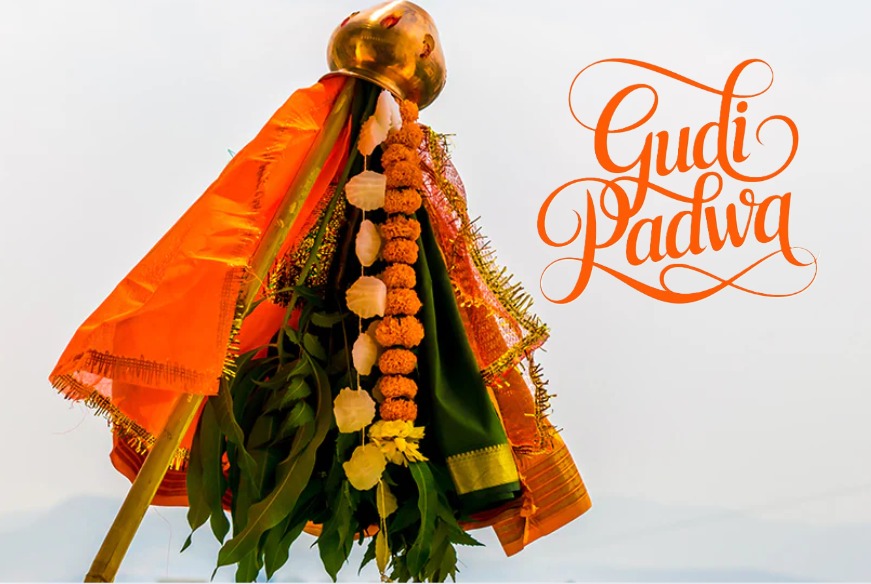
On this day, families traditionally raise a “Gudhi” — a decorated flag-like structure — outside their homes as a symbol of prosperity, victory, and new beginnings. Religious scholars and cultural experts cite several beliefs associated with the celebration of Gudhi Padwa.
One widely known belief links the festival to Lord Rama. According to tradition, the day marks his return to Ayodhya after defeating Ravana in Lanka. It is believed that people celebrated his victory by hoisting Gudhis outside their homes, a custom that continues to this day.

Another legend connects the festival to Indra, the king of gods. As per folklore, a king welcomed Indra by decorating a staff with silk cloth, mango leaves, and garlands. This symbolic act later came to represent triumph and success, forming the basis of the Gudhi tradition.
A third account is associated with King Shalivahana, who is believed to have defeated invaders on this day. The victory is said to have been celebrated by raising a Gudhi, reinforcing its symbolism as a mark of conquest and renewal.
While these narratives are rooted in religious beliefs and cultural traditions, they continue to shape how the festival is observed today, reflecting themes of victory, hope, and fresh beginnings.