Heat Waves Hit Alphonso Mango Farmers Hard in Konkan
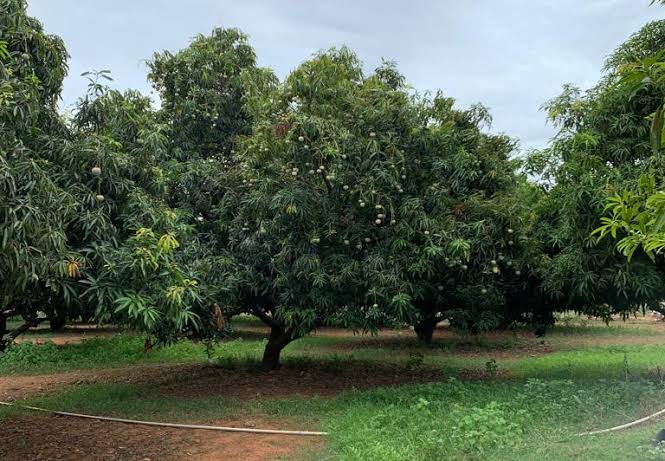
Ratnagiri: The rising temperatures and absence of winter have severely impacted Alphonso mango production in the Konkan region of Maharashtra. With multiple heat waves recorded since the start of the year, farmers are witnessing drastic reductions in yield, raising concerns about market supply and profitability.
Nandkishor Jadhav, a mango orchard owner from Sangameshwar and Ratnagiri talukas, reported a 75% drop in produce this season. “My trees have not seen any flowering or fruit formation post-December. Even at double last year’s price, my earnings won’t cover production costs,” he said. With limited stock, Jadhav is uncertain about transporting his produce to Pune, where Alphonso mangoes are currently priced at ₹6,000-7,000 per box (four dozen). “It is difficult to get buyers at this rate, and I do not have enough quantity to justify transportation expenses,” he added.
Severe Decline in Mango Production
According to Vivek Bhide, chairman of the Konkan Hapus Amba Utpadak Vikreta Sahakari Sanstha, only 30% of the usual Alphonso mango yield will reach consumers this year. He attributes the decline to the lack of winter, a crucial season for mango physiology. Normally, mango trees flower during winter, followed by fruit formation within 60 days. However, the warm winter and extreme heat have disrupted this process.

Typically, mango trees flower two to three times a year, depending on the application of fertilizers and growth promoters, ensuring fruit formation till May. However, since January, the Konkan region—including Sindhudurg, Ratnagiri, and Raigad districts—has faced multiple heat waves, with temperatures soaring above 39°C. The India Meteorological Department (IMD) has issued several heat wave warnings for the region since early March.
Farmers report excessive fruit dropping due to the harsh weather conditions. “Most orchards did not see significant flowering after November-December. For a steady supply from March onwards, flowering should occur in February-March. This year, I don’t see that happening,” Bhide said.
Delayed and Shortened Mango Season
At Mumbai’s wholesale markets, traders confirm a lower-than-usual supply. Sanjay Pansare, a mango trader, noted that while the mango season usually begins in January and peaks after March 15, this year’s arrivals have been significantly delayed. “The season is expected to start around April 4 and end by mid-May. The entire production may be limited to this short window,” he said.
The impact of erratic weather patterns has left mango farmers in distress, struggling with dwindling yields and uncertain market prospects. With Alphonso mangoes being a prized export from Konkan, the reduced supply is expected to drive prices further up, affecting both farmers and consumers.