Hindu New Year 2026: Start the Year with Brahma Muhurta Rituals on Gudi Padwa for Positivity and Prosperity
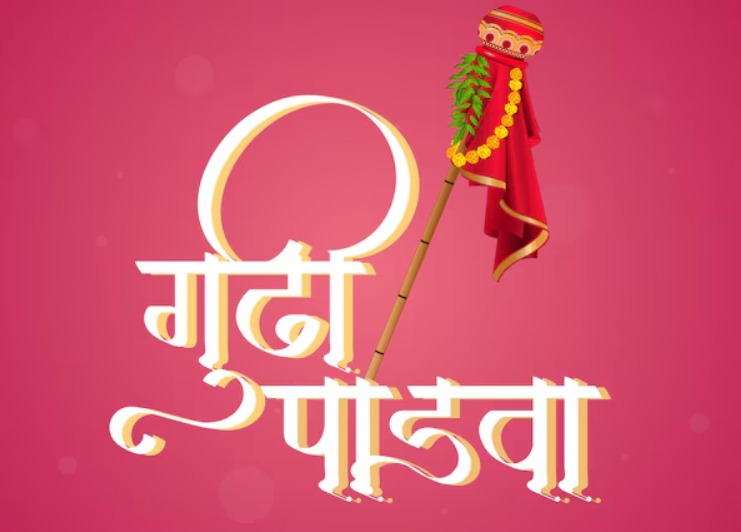
Hindu New Year 2026: Start the Year with Brahma Muhurta Rituals on Gudi Padwa for Positivity and Prosperity
Hindu New Year 2026: Brahma Muhurta Rituals to Follow on Gudi Padwa for a Prosperous Year
On March 19, 2026, devotees will celebrate Gudi Padwa, marking the Hindu New Year. Religious traditions suggest starting the day during Brahma Muhurta with prayers, meditation, and rituals for a positive year ahead.
Pune, March 16: The Hindu New Year will begin on Gudi Padwa on March 19, 2026, a day considered highly auspicious in Hindu tradition. Known as Chaitra Shukla Pratipada, the festival marks the beginning of a new lunar year and is widely celebrated across India, especially in Maharashtra.
According to traditional beliefs, starting the first day of the year during the sacred Brahma Muhurta—the early morning period believed to be ideal for spiritual practices—can bring positivity and prosperity throughout the year.

Brahma Muhurta Timing on March 19
On March 19, Brahma Muhurta is expected between 4:51 am and 5:39 am. Waking up during this period and beginning the day with spiritual practices is considered highly auspicious. Devotees traditionally take an abhyanga snan (ritual bath) using fragrant oils and herbal pastes, which is believed to cleanse both body and mind.
After bathing, people usually offer prayers and make a sankalp (resolution) for health, prosperity, and personal growth in the coming year.
Sun Worship and Chanting
Many devotees also perform Surya worship at dawn by offering water to the rising sun. Chanting sacred hymns such as the Gayatri Mantra or the Aditya Hridaya Stotra during Brahma Muhurta is believed to enhance mental clarity and confidence.
Spiritual practitioners often recommend spending 10–15 minutes in meditation during this time, which is thought to help improve focus and decision-making ability throughout the year.
Preparing the Home for the Festival
Another important tradition involves cleaning and decorating the house early in the morning. Families typically adorn the main entrance with torans made of mango or Ashoka leaves, draw rangoli designs, and light lamps to welcome prosperity.
Although the ceremonial Gudi hoisting a key ritual of Gudi Padwa usually takes place after sunrise, preparations often begin during Brahma Muhurta to enhance the sanctity of the celebration.
Traditional Neem Consumption
A long-standing tradition on the first day of the Hindu New Year involves consuming a mixture of neem leaves, jaggery, cumin, and carom seeds on an empty stomach. This preparation is believed in traditional practices to help boost immunity and balance seasonal changes during the spring period.
The mixture symbolically represents the bitter and sweet experiences of life, encouraging people to accept both with balance in the year ahead.
Disclaimer
The information in this article is based on traditional beliefs and cultural practices associated with Hindu festivals. These views are part of religious customs and general information. Readers are advised to follow personal beliefs and consult relevant experts where necessary.