How Grandparents Kept Their Homes Cool Naturally—Timeless Tricks That Still Work Today
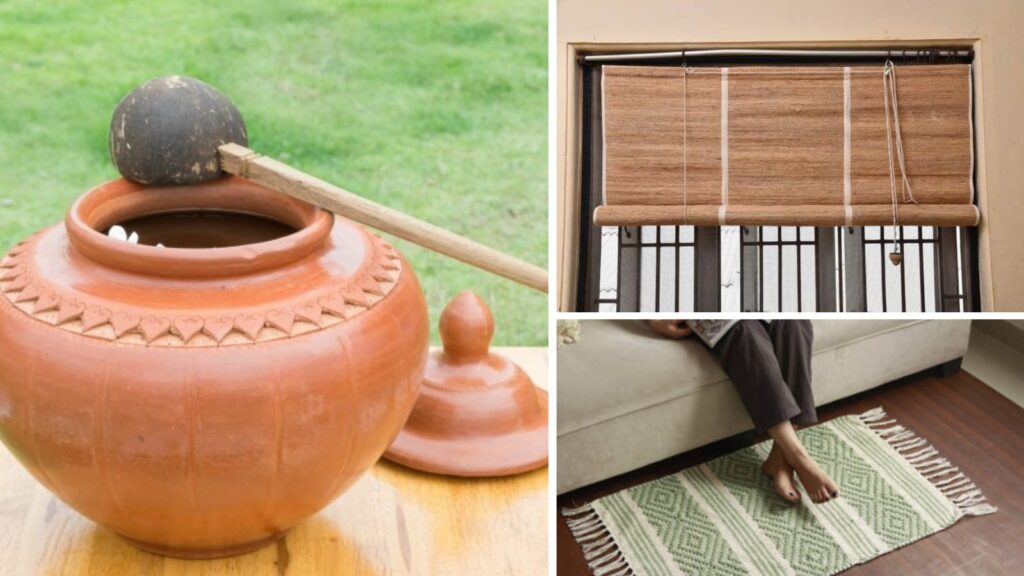
How Grandparents Kept Their Homes Cool Naturally—Timeless Tricks That Still Work Today
We’ve all experienced it—stepping into our grandparents’ home on a scorching afternoon and instantly feeling a sense of cool relief. No loud air conditioners, no humming coolers—just a naturally comfortable space that somehow beats the heat. It wasn’t magic; it was a mix of thoughtful design, traditional wisdom, and simple, nature-friendly practices passed down through generations.
At a time when modern cooling appliances didn’t exist, people relied on clever, sustainable methods to keep their homes livable even during peak summer days. Interestingly, many of these ideas are not only effective but also eco-friendly and worth bringing back today. Here’s a closer look at five such age-old cooling techniques.
1. Earthen Pots: Nature’s Own Refrigerator
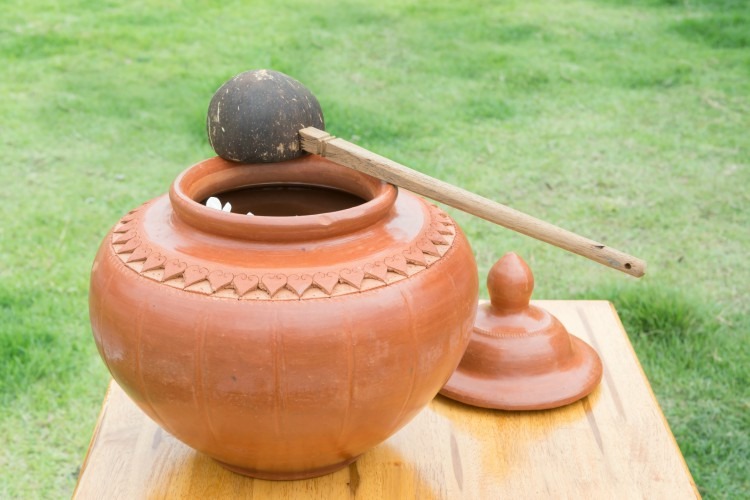
Long before refrigerators became common, clay pots—often called matkas—were a staple in every household. These pots are made from natural clay, which has tiny pores that allow water to slowly evaporate. This process naturally cools the water inside, keeping it refreshingly chilled even in intense heat. Beyond functionality, these pots were also sustainable, affordable, and added a rustic charm to kitchens.

2. Vetiver (Khus) Screens: Cooling with a Fragrant Touch
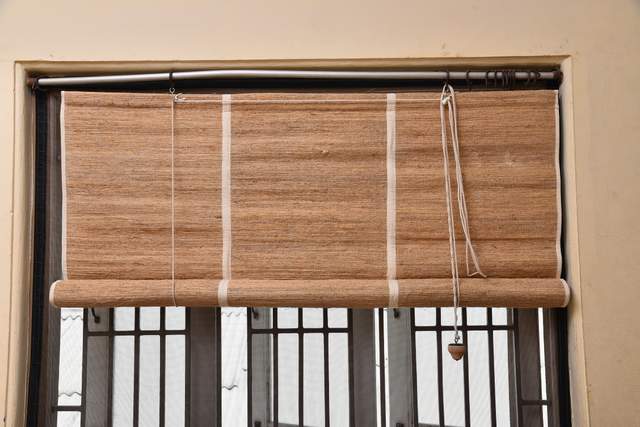
Instead of electric air coolers, homes once used screens made from khus grass, also known as vetiver. These were placed over windows or doorways and sprinkled with water throughout the day. When hot air passed through the damp screens, it cooled down instantly while spreading a soothing, earthy fragrance indoors. This method not only reduced indoor temperatures but also created a calming atmosphere.
3. Natural Shade from Neem and Tulsi
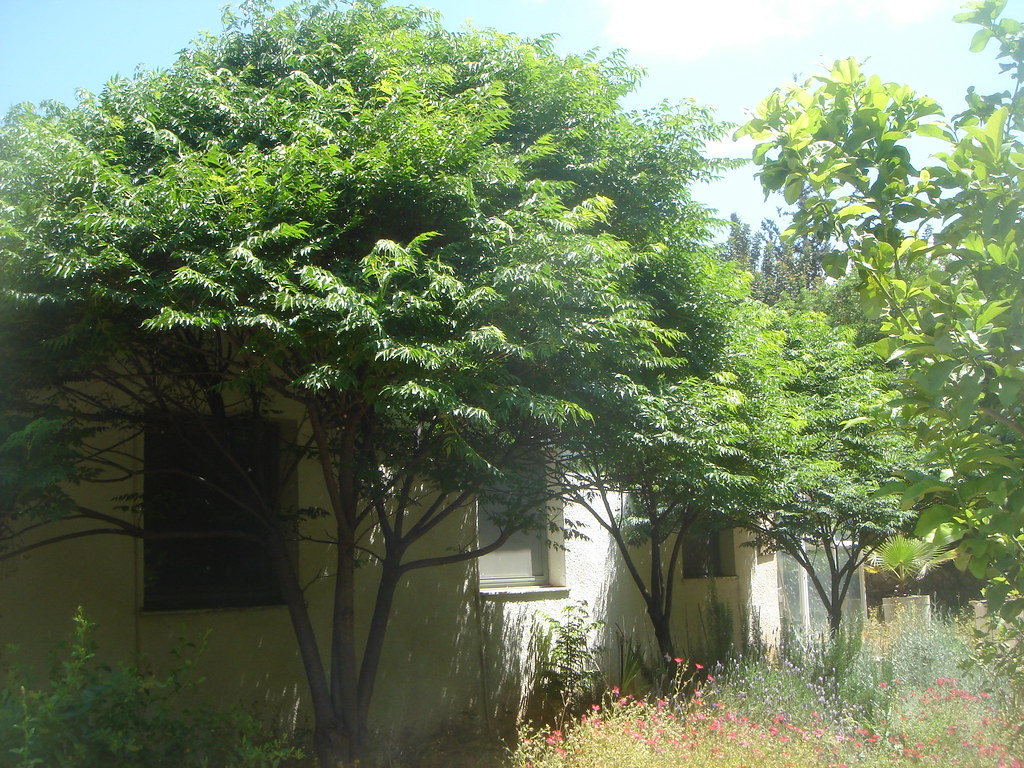
Greenery played a big role in keeping homes cool. Many traditional houses were designed around plants and trees like neem and tulsi. These plants provided shade, reduced the heat around the house, and improved air quality. Their presence helped regulate the surrounding temperature naturally, making the living space more comfortable without any mechanical aid.
4. Mud-Coated Roofs for Insulation
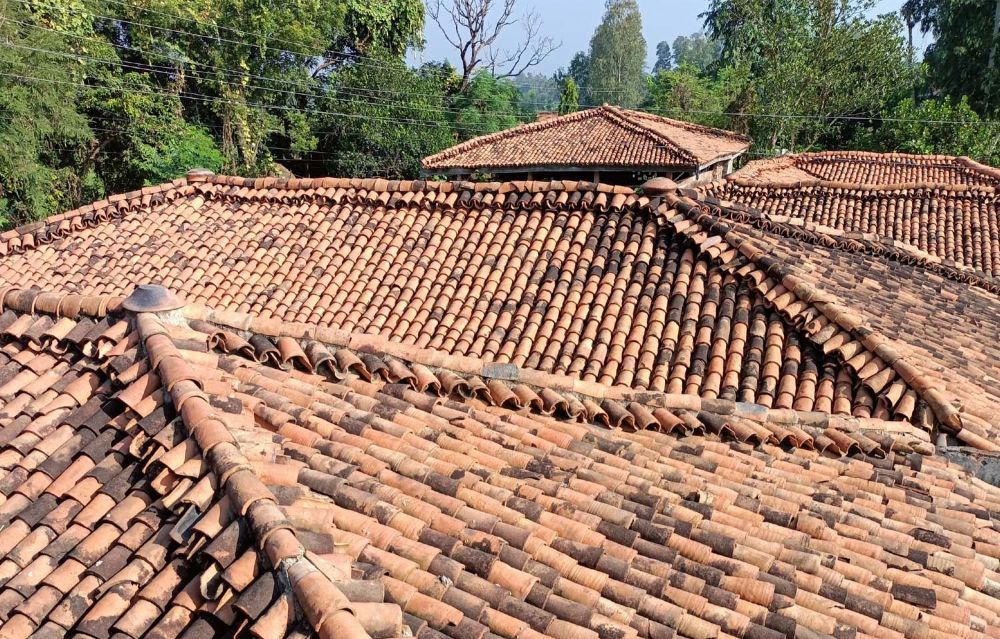
Before the widespread use of concrete terraces, rooftops were often layered with a mixture of mud, straw, and sometimes cow dung. This combination acted as a natural insulator, preventing heat from penetrating the house. Even today, some households revive a similar effect by sprinkling water on terraces, which cools the surface and reduces indoor heat.
5. Woven Floor Mats That Stay Cool
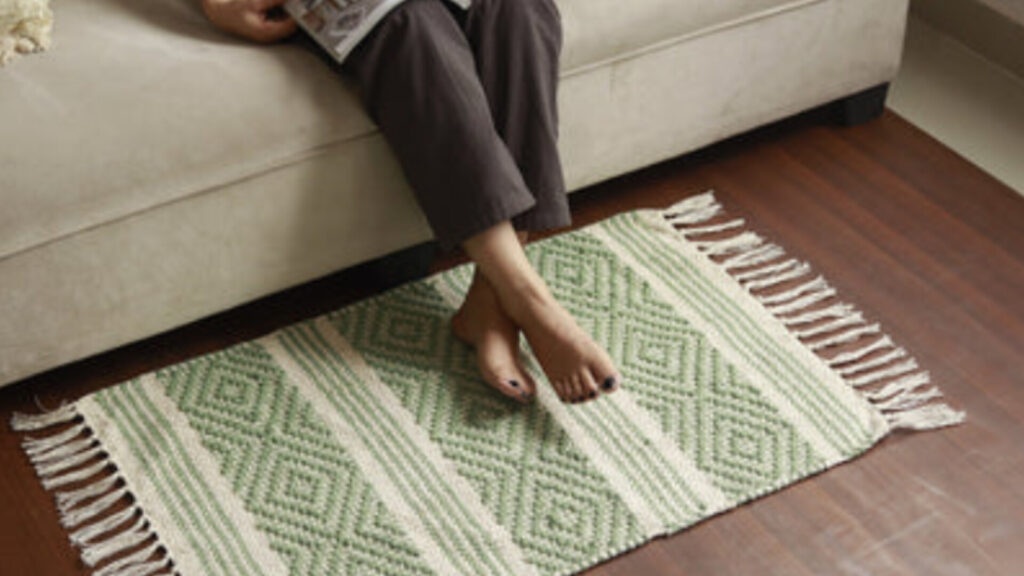
Modern carpets and synthetic rugs weren’t always around. Instead, people used chatai—handwoven mats made from bamboo, jute, or date palm leaves. These mats remained cool to the touch and were perfect for sitting or sleeping during hot days. They were lightweight, breathable, and ideal for maintaining a cooler indoor environment.
These traditional cooling techniques remind us that comfort doesn’t always require heavy electricity use or expensive devices. With a little creativity and a return to nature-inspired solutions, it’s possible to make our homes cooler, greener, and more energy-efficient. Sometimes, the smartest solutions are the simplest ones—quietly passed down through generations, waiting to be rediscovered.