How Many Kilometers Should You Walk Daily to Reduce Belly and Thigh Fat? Steps to Stay Fit and Toned
How Many Kilometers Should You Walk Daily to Reduce Belly and Thigh Fat? Steps to Stay Fit and Toned
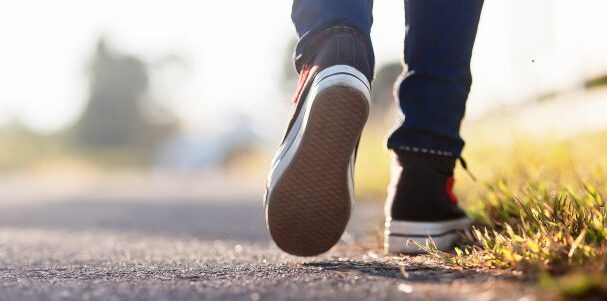
Maintaining fitness has become one of the biggest challenges in today’s busy lifestyle. Hours spent sitting at the office often lead to an increase in belly fat, while a lack of regular movement contributes to fat around the thighs. Many people try to lose weight by joining expensive gyms or following strict diets, but keeping up with these routines every day can be difficult. Walking, however, is a simple, zero-cost, and highly effective way to stay healthy.
Simply strolling around won’t lead to significant weight loss. To see results and shape the body, it’s important to know how far or how many steps should be walked daily. Health experts suggest aiming for 7,000 to 10,000 steps per day, which is roughly 5 to 8 kilometers. Walking at this pace for about one hour each day promotes good health and can lead to noticeable changes in the body within a month.
Walking regularly not only helps with weight loss but also has positive effects on heart health. It strengthens muscles and bones, improves endurance, and boosts energy levels. Maintaining a daily routine of 7,000 to 8,000 brisk steps can help the body start burning fat efficiently.

For weight loss specifically, walking 5 to 6 kilometers daily is recommended. Reducing belly fat requires the body to be in a calorie deficit, and walking this distance burns approximately 250 to 300 calories per session. Following this routine consistently for 30 days can result in visible changes in body shape and fitness.
Walking is a natural, sustainable, and highly effective way to stay fit without the need for expensive equipment or complicated workouts. Consistency is key—regular brisk walking not only helps shed excess fat but also improves overall wellbeing, energy, and vitality.
Note: Results may vary depending on individual metabolism, diet, and overall lifestyle. Always consult a healthcare professional before starting a new fitness routine, especially if you have existing health conditions.