Indian Flag Code: Key Rules for Celebrating Independence Day
Indian Flag Code: Key Rules for Celebrating Independence Day
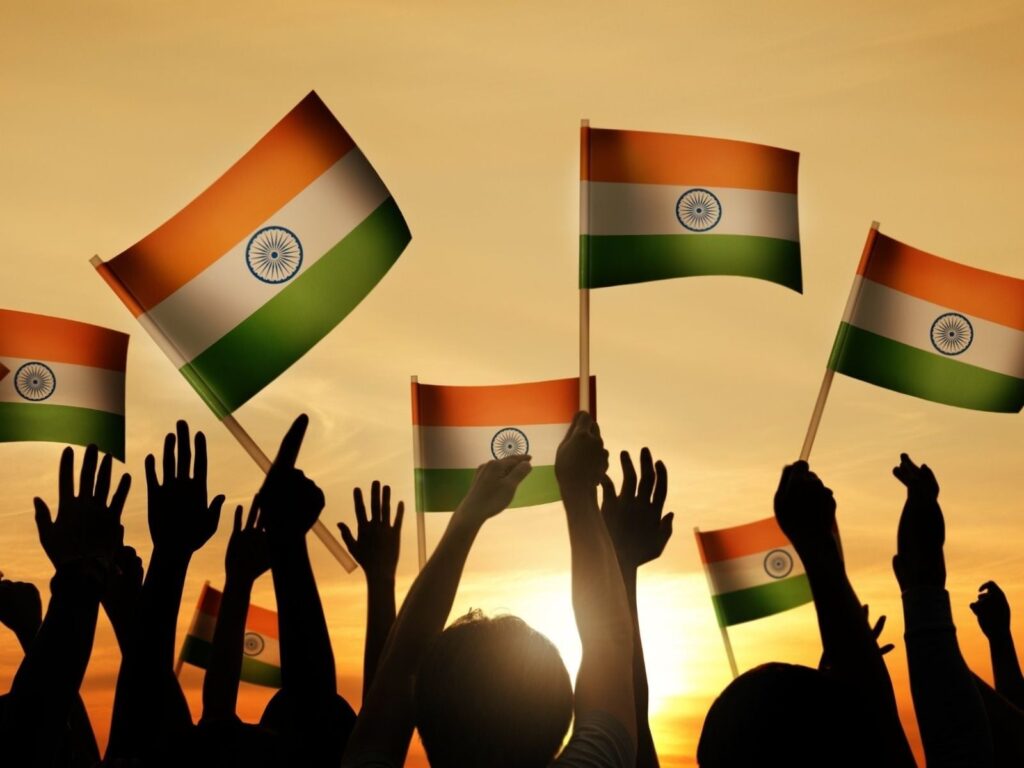
As India approaches its 78th Independence Day, the “Har Ghar Tiranga” campaign is in full swing. This initiative encourages every household to display the national flag, the Tricolor, with pride.
Prime Minister Narendra Modi has supported this campaign, leading to a surge in flag sales by 60 to 70 percent. However, it is essential to follow specific guidelines to avoid legal trouble. The Flag Code of India, established in 2002, outlines these rules.
https://www.mha.gov.in/sites/default/files/flagcodeofindia_070214.pdf

One crucial point is the need to avoid any form of disrespect towards the flag. The Indian legal system takes violations seriously. Disposing of the flag by burning, tearing, or otherwise damaging it is considered an offense. Such actions can lead to severe consequences, including a maximum penalty of three years in prison or a substantial fine.
The legal backdrop for flying the Tricolor in homes was set in 1996 when the Supreme Court recognized the right to display the flag. However, the dignity of the flag must be maintained at all times.
During Independence Day celebrations, ensure that the flag is flown correctly and treated with respect to prevent any potential legal issues. Following these guidelines will help honor the nation’s symbol appropriately and avoid unnecessary legal repercussions.
Salient Features of Flag Code of India, 2002
- The Indian National Flag represents the hopes and aspirations of the people of India. It is the symbol of our national pride and there is universal affection and respect for, and loyalty to, the National Flag. It occupies a unique and special place in the emotions and psyche of the people of India.
- The hoisting/use/display of the Indian National Flag is governed by the Prevention of Insults to National Honour Act, 1971 and the Flag Code of India, 2002. Some of salient features of the Flag Code of India, 2002 are listed below for the information of the public:-
- The Flag Code of India, 2002 was amended vide Order dated 30st December, 2021 and National Flag made of polyester or machine made Flag have been allowed. Now, the National Flag shall be made of hand spun and hand woven or machine made, cotton/polyester/wool/silk khadi bunting.
- A member of the public, a private organization or an educational institution may hoist/display the National Flag on all days and occasions, ceremonial or otherwise, consistent with the dignity and honour of the National Flag.
- The Flag Code of India, 2002 was amended vide Order dated 19th July, 2022 and clause (xi) of paragraph 2.2 of Part-Il of the Flag Code of India was replaced by the following clause:-
(xi) “where the Flag is displayed in open or displayed on the house of a member of public, it may be flown day and night;”
- The National Flag shall be rectangular in shape. The Flag can be of any size but the ratio of the length to the height (width) of the Flag shall be 3:2.
- Whenever the National Flag is displayed, it should occupy the position of honour and should be distinctly placed.
- A damaged or dishevelled Flag shall not be displayed.
- The Flag should not be flown from a single masthead simultaneously with any other flag or flags.
- The Flag should not be flown on any vehicle except of the dignitaries mentioned in Section IX of Part Ill of the Flag Code, such as President, Vice-President, Prime-Minister, Governors etc.
- No other flag or bunting should be placed higher than or above or side by side with the National Flag.
For further details, the Prevention of Insults to National Honour Act, 1971 and the Flag Code of India, 2002 are available on the Ministry of Home Affairs’ website www.mha.gov.in.