Is It Still Necessary to Boil Pasteurised Milk? Understanding the Science Behind a Traditional Indian Practice
Is It Still Necessary to Boil Pasteurised Milk? Understanding the Science Behind a Traditional Indian Practice
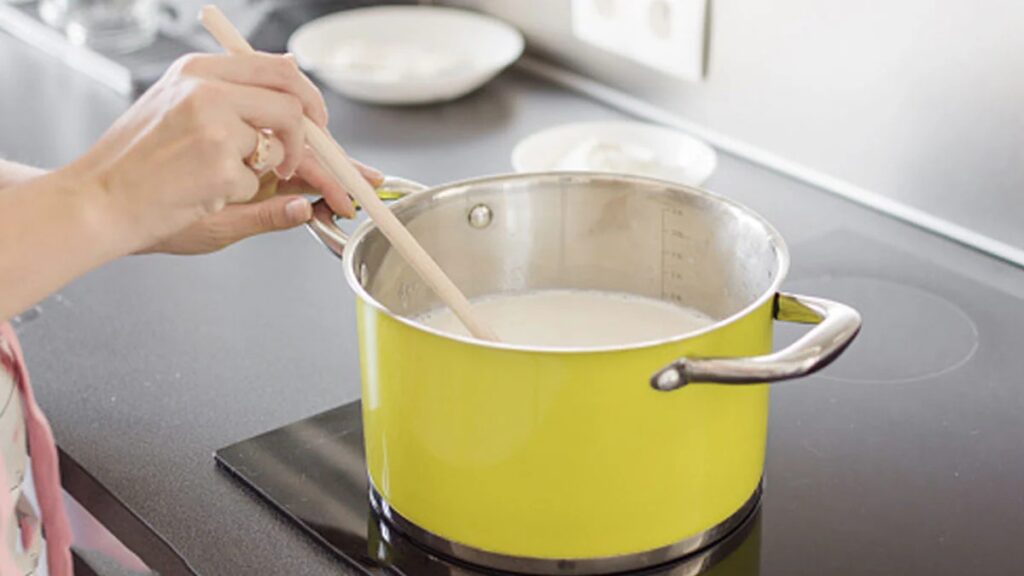
For generations, the act of boiling milk has been an integral part of daily life in Indian households. This deeply embedded tradition is often passed down from elders, with the belief that heating milk not only kills germs but also enhances its purity and taste. However, as milk processing technologies have evolved and safety standards have improved, experts now question whether this practice is still necessary — especially when it comes to pasteurised and ultra-processed milk.
A Ritual Rooted in Culture
The custom of boiling milk has cultural and emotional significance in Indian society. It is often associated with hygiene and care — a mark of a responsible household. From a time when milk was delivered fresh from local dairies, boiling was essential to kill harmful pathogens like Salmonella, E. coli, and Listeria, which could cause serious illness if consumed raw.
In rural India and even in some urban pockets, this practice continues — and understandably so. Raw milk that hasn’t been processed or tested can harbor bacteria and viruses, making boiling the most effective way to ensure safety before consumption.

What Has Changed: Understanding Pasteurisation
Today, the scenario is markedly different, especially in cities where most milk is industrially processed and sold in sealed packets. Pasteurised milk, which is commonly available in supermarkets and delivered by major dairy brands, undergoes a process of heating at 72°C for 15 seconds before being quickly cooled. This effectively kills most harmful microorganisms while retaining much of the milk’s original taste and nutritional value.
Food safety experts point out that pasteurised milk is safe for direct consumption straight from the packet — provided the packet is intact and the milk has been stored at the correct temperature. If there is any sign of leakage, spoilage, or improper storage, boiling may still be advisable as a precautionary step.
Nutritional Impact of Boiling Milk
While boiling raw milk is crucial for health safety, doing the same with already-pasteurised milk can come with downsides. Studies have shown that boiling pasteurised milk may cause the loss of up to 36% of heat-sensitive B vitamins such as B1, B2, B12, and folic acid. Although minerals like calcium and macronutrients like fats and proteins are relatively stable under heat, the process can alter their structure, potentially affecting their digestibility and bioavailability.
The milk may also undergo slight changes in taste and texture after boiling, which can impact how it is used in tea, coffee, or cooking.
Does Boiling Extend Shelf Life?
A common misconception is that boiling milk increases its shelf life. Experts clarify that this is not necessarily true — especially with pasteurised milk. Once a packet of pasteurised milk is opened, it should be consumed within one to two days, regardless of whether it has been boiled. Storing it in the refrigerator below 4°C is essential to prevent bacterial growth.
Boiling might delay spoilage by a few hours, but it does not make milk indefinitely safe. In fact, boiling milk and then letting it sit out at room temperature can accelerate bacterial contamination from the environment.
UHT Milk: No Boiling Required
Ultra-High Temperature (UHT) milk, often sold in tetra packs, undergoes even more intense processing — typically heated to 135°C for a few seconds — and is packaged in sterile, air-tight containers. This type of milk has a longer shelf life and can remain unrefrigerated for several months if unopened.
UHT milk is considered safe for immediate consumption and does not require boiling. It is particularly convenient for travel or in areas where refrigeration is inconsistent. However, once opened, UHT milk should be refrigerated and treated like any regular milk product.
When You Should Boil Milk
While boiling is redundant for pasteurised or UHT milk, there are specific cases where it remains important:
- Raw milk: If you obtain milk directly from a farm or an unregulated source, boiling is essential.
- Damaged packaging: If a packet appears bloated, leaking, or has been stored outside the cold chain, boiling may be a necessary safety measure.
- Infants or immunocompromised individuals: In such cases, some families prefer to boil milk out of caution.
Boiling milk is a practice that originated from a genuine need to ensure safety — and in the case of raw milk, it remains a necessary safeguard. However, in the context of modern milk processing technologies, particularly with pasteurised and UHT milk, boiling is more a habit than a health requirement.
As India continues to bridge the gap between traditional wisdom and scientific advancement, awareness about food safety, nutritional retention, and best practices will empower consumers to make better-informed choices — blending heritage with modern science.