Leopard Population in Mumbai’s Sanjay Gandhi National Park Rises to 54, Latest Census Confirms
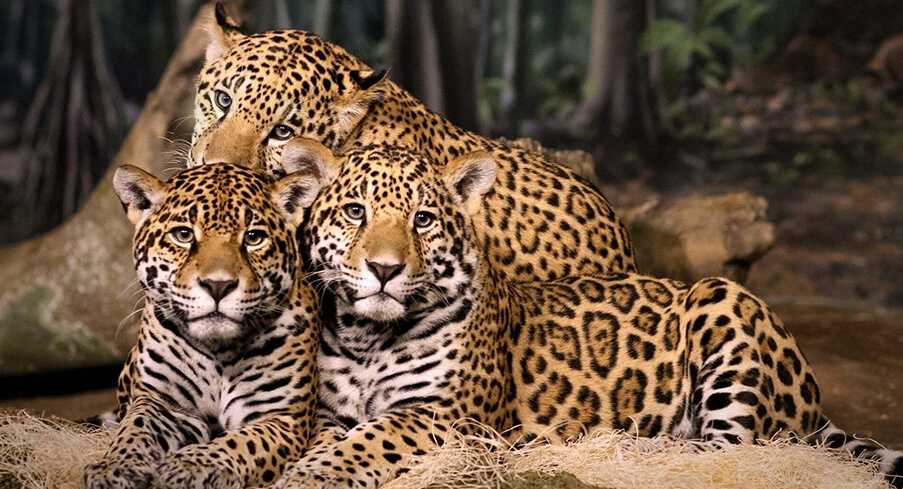
Leopard Population in Mumbai’s Sanjay Gandhi National Park Rises to 54, Latest Census Confirms
Mumbai’s urban wildlife conservation success story gains fresh momentum with new census data.
In a significant boost to urban wildlife conservation, the latest leopard census conducted in Sanjay Gandhi National Park (SGNP) and adjoining areas has confirmed the presence of at least 54 leopards thriving in the region. The comprehensive survey, carried out between February and June 2024, highlights Mumbai’s rare example of coexistence between big cats and human populations in a bustling metropolis.
According to the camera-trap survey, the population includes 36 females, 16 males, and two unclassified individuals. The study was a collaborative effort between the Wildlife Conservation Society–India, the Maharashtra Forest Department, and WeWork India Management Limited.
“This once again highlights how unique and remarkable Mumbai’s story of coexistence with large carnivores truly is,” said a senior forest official.

The survey deployed 90 camera traps — 57 in SGNP and 33 in the Tungareshwar Wildlife Sanctuary (TWLS) — covering SGNP, Aarey Milk Colony, and TWLS. Over 50 forest officials were specially trained to participate in the study, ensuring high-quality monitoring and data collection.
Within SGNP and Aarey Milk Colony alone, 54 individual leopards were recorded, including four leopard cubs. Notably, Aarey was declared a protected forest during the tenure of the Maharashtra Vikas Aghadi government led by Uddhav Thackeray.
In TWLS, three adult male leopards were documented. Remarkably, three female leopards first identified in 2015 were captured again on camera in 2024, indicating their resilience and long-term survival in this urban wilderness.
Camera traps also recorded diverse wildlife species, including sambar deer, jungle cats, palm civets, mouse deer, and the elusive rusty-spotted cat — India’s smallest wild feline. One extraordinary case involved a male leopard initially tracked in TWLS that traveled nearly nine kilometers, navigating highways and dense residential zones to reach Vasai Fort, showcasing the species’ adaptability.
SGNP Field Director Anita Patil emphasized the importance of scientific monitoring. “The fact that these majestic creatures continue to thrive in one of the most densely populated urban areas is a powerful reminder of nature’s strength and the urgent need to protect the green spaces they depend on.”
While a post-pandemic leopard census had been conducted earlier, its findings were never officially released. This new data provides renewed insights and hope for safeguarding wildlife in Mumbai’s rapidly urbanizing landscape.