Low Back Pain: Hyderabad Doctor Highlights the Silent Epidemic Among Desk Workers
Low Back Pain: Hyderabad Doctor Highlights the Silent Epidemic Among Desk Workers
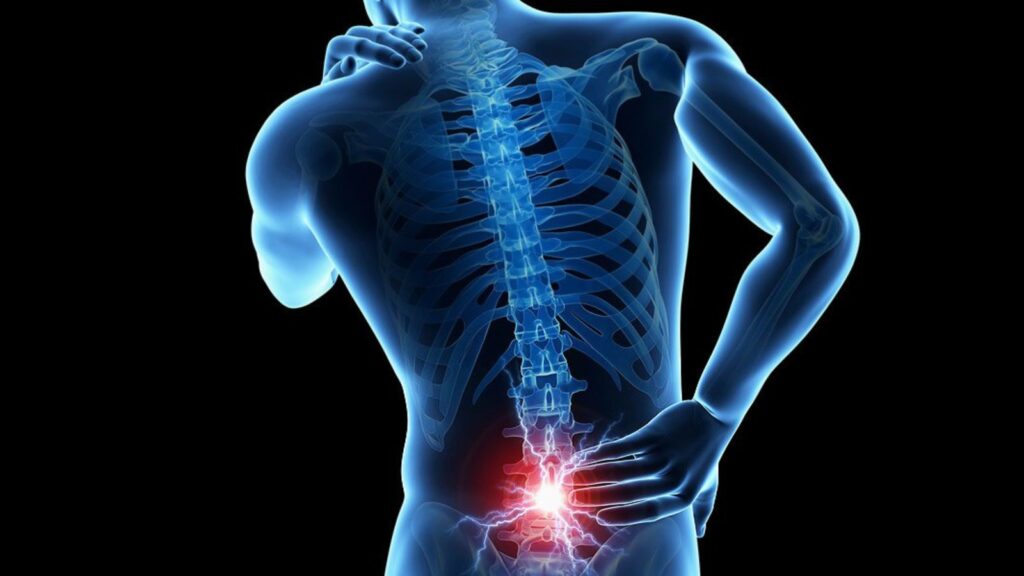
For many people who sit for long hours, lower back pain has become a persistent and disruptive problem. Dr. Sudhir Kumar, a neurologist at Apollo Hospitals in Hyderabad, refers to it as a “silent epidemic” because it affects so many individuals without being openly discussed. According to him, every day, at least four to five patients visit his clinic with complaints of lower back pain, with a significant number diagnosed with disc prolapse.
This discomfort often extends beyond the back, sometimes radiating to the legs. Patients may also experience tingling, numbness, or weakness in their feet, indicating nerve involvement.
Understanding the Causes

Lower back pain is largely considered a lifestyle-related condition. Dr. Kumar identifies four major contributors:
1. Prolonged sitting: Spending 8–10 hours seated every day puts significant stress on the spine.
2. Poor posture: Slouching or incorrect alignment while sitting increases strain on muscles and spinal discs.
3. Weak core and back muscles: Lack of strength in these areas reduces support for the spine.
4. Excess weight or central obesity: Extra body weight increases the load on the lower back.
The human spine is naturally designed for movement, not extended periods of sitting. Continuous sitting can lead to:
• Increased pressure on spinal discs
• Weakening of back extensor muscles
• Tightening of hamstrings
• Reduced core stability
Over time, these factors may result in disc bulges, nerve compression, and conditions such as sciatica.
Low Back Pain: The Silent Pandemic
— Dr Sudhir Kumar MD DM (@hyderabaddoctor) February 22, 2026
Every single day, 4–5 patients walk into my clinic with low back pain.
Many of them have disc prolapse. The do not just have back pain, but:
• Pain radiating to the leg
• Tingling or numbness
• Weakness in the foot
This is no longer an… https://t.co/qjZ8cnsY62
Practical Steps to Reduce Back Pain
Dr. Kumar emphasizes that most lower back pain can be managed or prevented through lifestyle adjustments:
Frequent movement: Stand up and stretch or walk every 30–45 minutes to reduce spinal pressure.
Exercise regularly: Focus on strengthening back extensors and core muscles to provide better support.
Improve posture: Maintaining proper sitting and standing alignment reduces strain on the spine.
Weight management: Reducing abdominal fat decreases physical stress on the lower back.
Recommended Exercises
Back extension exercises are particularly effective for individuals who spend long hours sitting. Beginners can start with simple routines such as:
Prone lying with elbow support: Lie face down and gently lift your upper body using your elbows for support.
Gentle press-ups: Gradually arch the back while lying prone to increase spinal flexibility.
Lumbar extension drills: Perform slow and controlled movements to strengthen lower back muscles.
The key is to focus on consistency and correct technique rather than intensity. Advanced routines are unnecessary for beginners, and guidance from a qualified physiotherapist or fitness trainer is highly recommended.
When to Seek Medical Help
While many cases of lower back pain are manageable, certain symptoms require urgent attention:
Progressive weakness in the legs
Loss of bladder or bowel control
Severe trauma
Fever or unexplained weight loss
Lower back pain is largely preventable with the right habits. Incorporating regular movement, strengthening exercises, proper posture, and weight management into daily routines can significantly reduce discomfort and improve spinal health. Remember, a healthy spine reflects an active and balanced lifestyle.
Disclaimer: This article is based on insights shared by Dr. Sudhir Kumar, neurologist at Apollo Hospitals, Hyderabad. The information is intended for general awareness and educational purposes only. It should not be considered a substitute for professional medical advice, diagnosis, or treatment.