Major GST Reduction on Vehicles – What a ₹10 Lakh Car Will Cost Now
Major GST Reduction on Vehicles – What a ₹10 Lakh Car Will Cost Now
After years of demand from both automakers and buyers, the Indian government has finally taken a bold step to simplify the GST structure. With the introduction of just two GST slabs across sectors, the automobile industry is one of the biggest winners in this tax revamp. This change is not just a technical shift—it’s expected to bring actual savings for buyers and possibly revive demand in a sector that has seen ups and downs over the past few years.
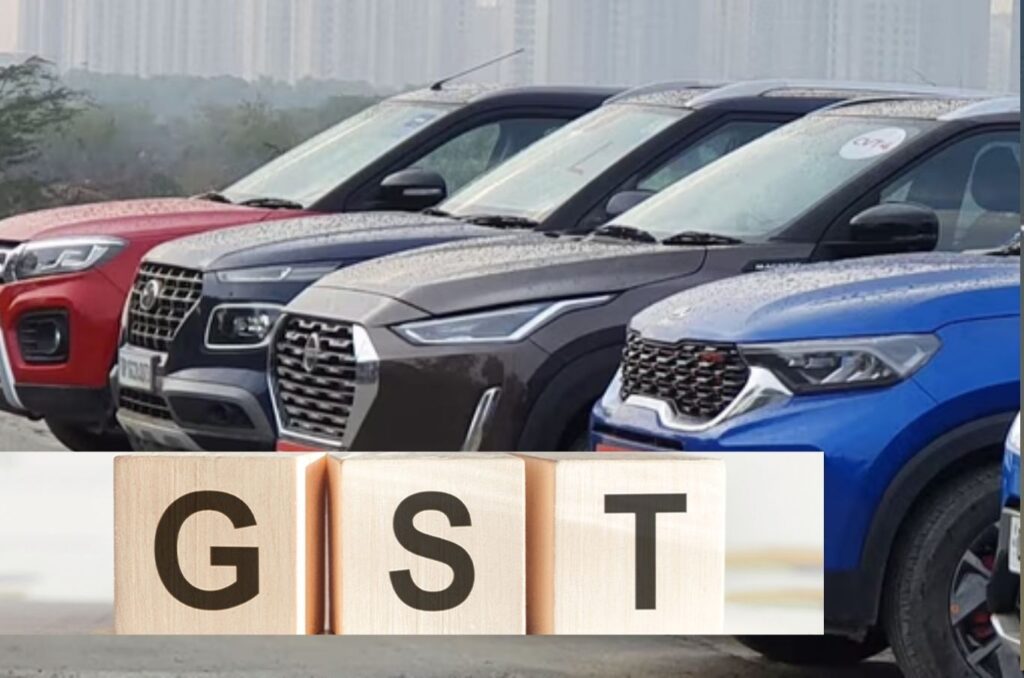
One of the most notable changes is the reduction of GST on small cars. Vehicles with petrol engines up to 1200cc or diesel engines up to 1500cc, and a total length under 4 meters, will now attract only 18% GST instead of the previous 28%. This change means that many popular hatchbacks and compact sedans will become significantly more affordable. The move is expected to benefit everyday buyers the most, especially middle-class families looking for a budget-friendly personal vehicle.
Electric vehicles (EVs) have also seen a sharp drop in taxation. What was previously taxed at 12% will now be taxed at just 5%. This aligns with the government’s push toward clean energy and sustainable transport. Hybrid cars and vehicles powered by hydrogen fuel cells also stand to benefit from a tax cut, down from 28% to 18%. The overall aim is clear—make environmentally friendly transport options more appealing and accessible.

Let’s talk numbers to understand what this means for buyers. Suppose you were planning to buy a petrol car priced at ₹10 lakh (base price) with an engine under 1200cc. Under the older tax system, you would have paid ₹2.8 lakh in GST, taking the total cost to ₹12.8 lakh. But now, with GST down to 18%, the tax comes to ₹1.8 lakh, lowering the total price to ₹11.8 lakh. That’s a direct saving of ₹1 lakh, which is substantial by any standard.
To take another example, a compact car priced at ₹5 lakh would have earlier cost ₹6.4 lakh after tax. Post the GST cut, that figure drops to ₹5.9 lakh—a neat saving of ₹50,000. For families working with tight budgets, this difference could mean either an upgrade in model or simply some financial breathing room.
However, not all vehicle categories have seen relief. The government has increased the GST on luxury vehicles, high engine-capacity cars, and bikes above 350cc to 40%. This clearly indicates a shift in policy focus—encouraging practical, eco-friendly vehicles while taxing premium and high-performance machines more heavily.
The automobile market may soon feel the ripple effects of this change. With more affordable price tags, demand for small cars and EVs is expected to rise, which could give the industry a much-needed boost. Dealerships may see more footfall, and car buyers might finally feel that it’s the right time to upgrade or make that long-delayed purchase.
Importantly, these revised GST rates will officially come into effect from 22nd September 2025. So if you’re planning a vehicle purchase, it might make sense to wait just a little longer to take full advantage of the lower tax.