Middle Class Gets Huge GST Break—What Kitchen, Beauty, and Medical Supplies Are Cheaper?

Middle Class Gets Huge GST Break—What Kitchen, Beauty, and Medical Supplies Are Cheaper?
The GST Council has approved a major change in India’s tax system, one that will touch almost every household. After a marathon meeting in Delhi on Wednesday, September 4 Union Finance Minister Nirmala Sitharaman announced that the Goods and Services Tax will now follow a two-rate structure of 5% and 18%, replacing the current four slabs. These changes will come into effect from September 22, making more than 175 items cheaper.
A New Tax Structure
Until now, GST was divided into four slabs, 5%, 12%, 18%, and 28%. With the new reform, there will be just two slabs: 5% and 18%. In addition, a special 40% slab has been kept for luxury and sin goods like high-end cars, tobacco, cigarettes, betting, and gambling.

Sitharaman stressed that the changes were made keeping the common man in mind. “Every tax on the common man’s daily use items has gone through a rigorous review, and in most cases the rates have come down drastically,” she said.
Revenue Concerns
While the Centre has called this a reform for simplification, some states have raised concerns. West Bengal minister Chandrima Bhattacharya said the new GST rates could cause an estimated revenue loss of ₹477 billion. Despite this, the decision was taken unanimously with no official opposition recorded.
Daily Essentials Now Tax-Free
One of the biggest takeaways is that many daily-use items will no longer attract GST. Products such as paneer, roti, khakhra, pizza bread, UHT milk, pencils, notebooks, crayons, sharpeners, and erasers will now fall under the 0% tax bracket.
Medicines have also seen major relief. Life-saving drugs, cancer medicines, and treatments for rare diseases will now be exempt from GST. Health and life insurance premiums will also attract zero GST, a huge cut from the earlier 18%.
Cheaper Household Products
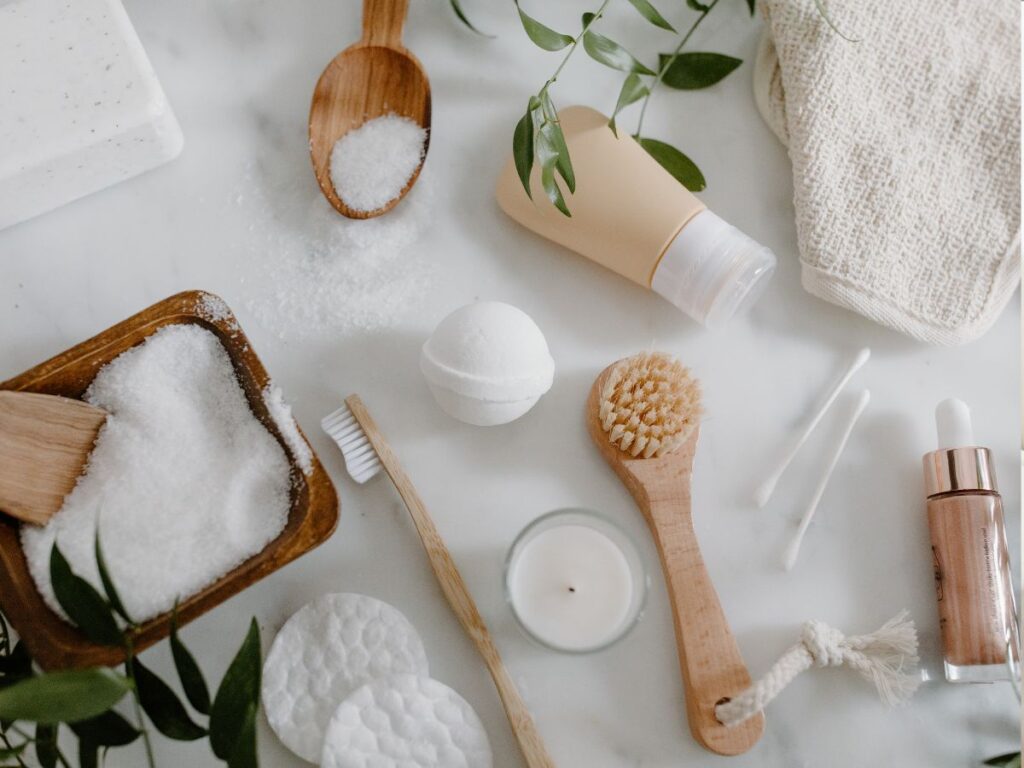
Several common household products will now fall under the 5% tax rate instead of the earlier 18%. These include hair oil, shampoo, toothpaste, toothbrushes, shaving cream, soaps, and lotions.
Baby products such as feeding bottles, diapers, and napkins have also been moved to the 5% slab. Everyday cooking and kitchen items like butter, ghee, cheese, namkeens, and utensils will now be taxed at just 5%.
Medical Devices and Agricultural Equipment
The healthcare sector has received further relief with reduced GST on medical equipment. Items like spectacles, thermometers, diagnostic kits, oxygen cylinders, and glucometers will now fall under the 5% rate.
Farmers too have reason to cheer. Equipment such as tractor tires, soil preparation machines, bio-pesticides, drip irrigation systems, and sprinklers will now attract only 5% GST.

Cars, Vehicles, and Transport
For automobiles, the picture is more mixed. Small cars, both petrol and diesel, have been brought under the 18% GST slab. Earlier, many of these were taxed at 28%. Similarly, three-wheelers and motorcycles up to 350 cc will also see their GST cut to 18%.
Vehicles supplied as ambulances have also been moved from the 28% bracket to 18%, making them more affordable for hospitals.
Luxury and Sin Goods
The heaviest GST rate of 40% has been reserved for luxury and sin items. These include cigarettes, bidis, gutka, pan masala, aerated drinks, caffeinated beverages, luxury yachts, private aircraft, and revolvers. High-end motorcycles above 350cc will also fall under this bracket.
This move, according to officials, is part of the rationalization process, keeping similar goods under the same tax slab to avoid misclassification and disputes.
Big Relief for Services
The services sector has also seen changes. Earlier, beauty and wellness services like salons, gyms, yoga centers, and health clubs were taxed at 18%. Now they will attract 5% GST, though without input tax credit. This is expected to reduce the cost of such services for consumers.
What It Means for You
From September 22, shopping bills for many households are expected to shrink as common items like shampoos, face powders, cooking ingredients, stationery, medical devices, and even bicycles will become cheaper. Insurance premiums too will be free of GST, offering direct relief to families.
However, the flip side is that the government may have to deal with revenue losses, as pointed out by West Bengal’s finance minister. Still, for most citizens, the immediate impact will be felt in lower costs on products used every day.
A Reform With Wide Impact
The new GST structure is being seen as one of the biggest tax reforms since GST was first introduced in 2017. With a simpler system of just two slabs and over 175 items becoming cheaper, the government hopes this will reduce disputes, ease compliance, and directly benefit the common man.
As Finance Minister Sitharaman summed it up, “These reforms are for the people. The common man will now feel real relief in his day-to-day expenses.”