Mumbai’s Largest Trimandir Opens in Thane as Symbol of Spiritual Unity
Mumbai’s Largest Trimandir Opens in Thane as Symbol of Spiritual Unity
Non-sectarian temple on Balkum–Saket Road brings Jain, Vaishnav and Shaiv traditions under one roof
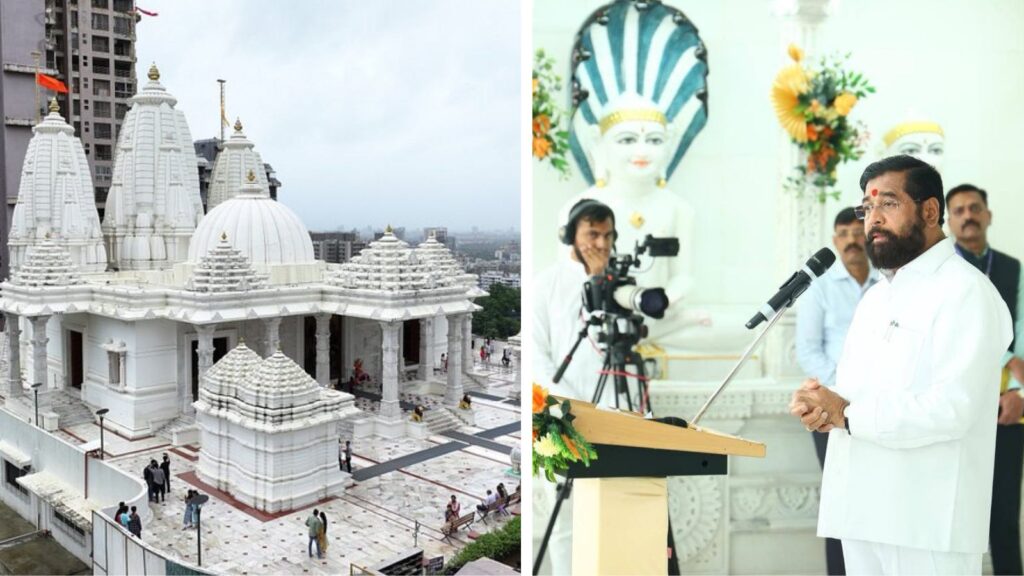
Mumbai’s largest Trimandir has officially opened for devotees in Thane, marking a significant moment in the city’s spiritual and cultural landscape. Located on Balkum–Saket Road in Thane West, the grand temple was inaugurated after a three-day dedication ceremony and is being hailed as a powerful symbol of religious unity and inclusiveness.
The Trimandir was inaugurated by Maharashtra Deputy Chief Minister Eknath Shinde, who described the structure as a “symbol of spiritual unity for the whole world”. Addressing devotees during the ceremony, Shinde said that although religious paths may appear different, they ultimately lead to the same universal values of humanity, non-violence, and truth.
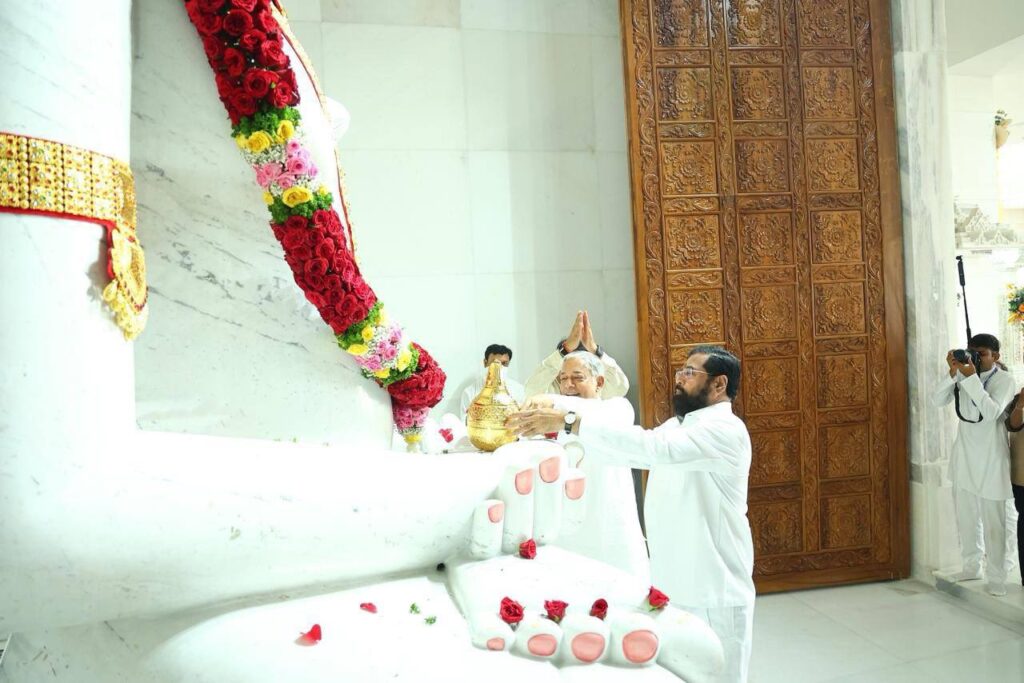
Built by the Mahavir Jain Trust in collaboration with the Dada Bhagwan Foundation, the Trimandir stands out for its non-sectarian philosophy, known as Nishpakshata.

Param Pujya Dadashri proposed Trimandir to honor Gods of Jainism, Shaivism, and Vaishnavism (along with Gods and Goddesses from other religions) with equal reverence on the same platform. He envisioned this design to offer Trimandir’s visitors nishpakshpati darshan (unbiased devotional viewing), thus, automatically cleansing them of matbhed bhav (religiously divisive intent). The temple reflects the teachings of Dada Bhagwan, which emphasise inner transformation, equality of all faiths, and the pursuit of lasting happiness.
Unlike conventional temples dedicated to a single faith, this Trimandir brings together multiple spiritual traditions on one shared platform, encouraging harmony rather than division.

At the heart of the temple are three distinct sanctums housed within the same complex. These include Lord Simandhar Swami, representing Jainism; Yogeshwar Shri Krishna, representing Vaishnavism; and Lord Shiva, representing Shaivism. In addition to these three principal deities, several other revered figures from different spiritual traditions have also been installed, reinforcing the temple’s inclusive character.
Spread across approximately 1.5 acres, the temple has been constructed using white marble sourced from Jaipur. The architecture is designed to evoke serenity while accommodating large numbers of devotees. Organisers say the Trimandir is not just a place of worship but a spiritual centre intended for contemplation, self-realisation, and inner peace.
The three-day inauguration programme, held from January 30 to February 1, featured traditional rituals, anointing ceremonies, devotional programmes, and spiritual discourses. Devotees from across the Mumbai Metropolitan Region attended the ceremonies, and the temple is now open to people of all religions.
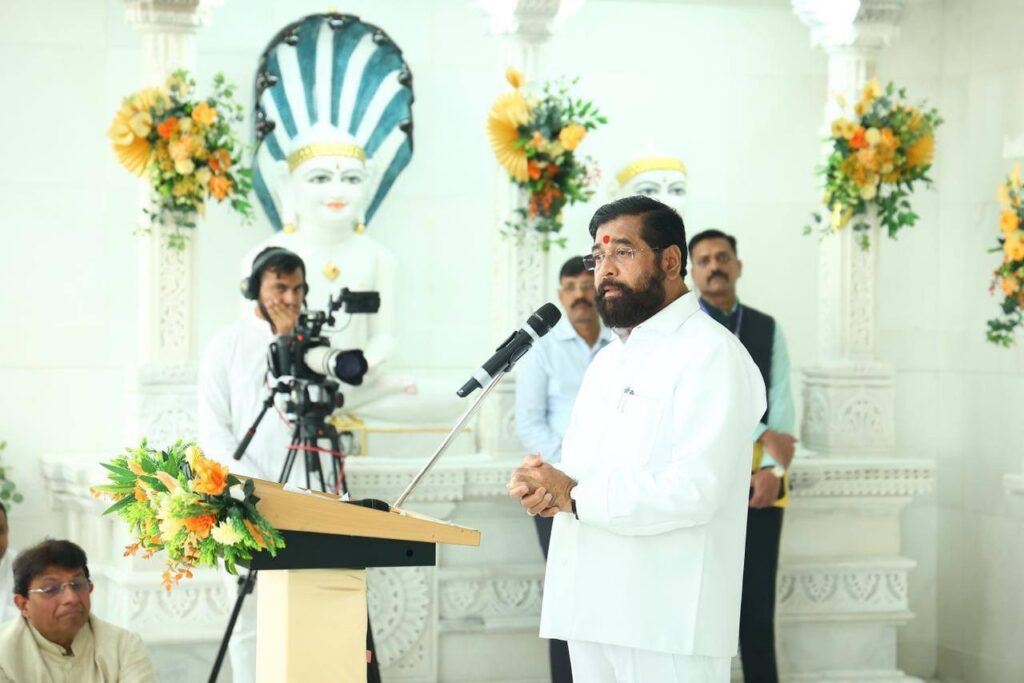
According to the organisers, the Trimandir aims to go beyond ritualistic worship and offer a space where individuals from different religious and cultural backgrounds can come together in mutual respect.
With its emphasis on unity and coexistence, the Trimandir is expected to emerge as a major spiritual landmark not only for Thane but for the wider Mumbai region. Civic authorities and religious leaders alike believe the centre will play a meaningful role in promoting social harmony in an increasingly diverse urban environment.
As devotees begin to visit the newly opened complex, the Trimandir stands as a reminder that spiritual paths, though varied in form, can peacefully converge under one sacred roof.