New Year 2026 WhatsApp Scams: How to Recognize, Avoid, and Respond
New Year 2026 WhatsApp Scams: How to Recognize, Avoid, and Respond
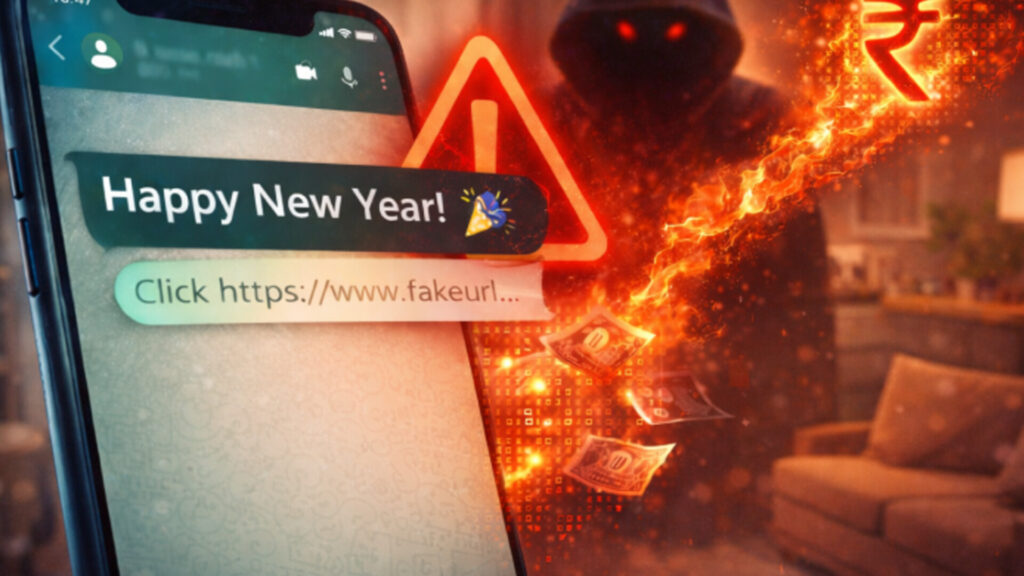
During festive seasons like New Year, digital greetings and messages flood phones, bringing joy and excitement. However, this spike in online activity also attracts scammers looking to exploit unsuspecting users. WhatsApp, being one of the most popular messaging platforms, becomes a prime target for fraudsters who use fake offers, malicious links, and deceptive messages to trick people.
Cybersecurity specialists warn that scammers take advantage of the celebratory mood, knowing that users are more likely to act quickly on messages promising gifts, rewards, or exclusive offers. By leveraging trusted brand names, emotionally compelling messages, and urgent calls to action, fraudsters try to make their schemes appear genuine and push users into hasty decisions.
Common WhatsApp Scams During New Year

1. Fake Rewards and Gift Offers
A frequent scam involves messages claiming that users have won prizes, vouchers, or cashback. These messages usually contain links leading to fake websites designed to steal personal information or banking details.
2. Fraudulent Party Invitations and Event Passes
Scammers also send messages about exclusive New Year parties or events. These often include short or suspicious links, which can either install harmful software on devices or redirect users to unsafe websites.
3. Malicious Greetings and Media Files
Even seemingly harmless New Year greeting images or videos can be dangerous. Downloading these files may introduce malware to your phone, giving scammers access to sensitive data.
4. WhatsApp Account Takeovers
One of the most severe threats is the account takeover scam. Here, fraudsters ask users to share the six-digit OTP (One-Time Password) under false pretenses, such as account verification. Once shared, scammers gain full access to the account and may use it to target others.
How to Spot a WhatsApp Scam
Experts highlight several warning signs of scam messages:
Messages creating a sense of urgency or pressuring immediate action.
Promises of unusually high rewards or prizes.
Messages from unknown numbers, containing spelling mistakes or odd links.
Requests for OTPs, PINs, or bank details.
Legitimate companies and WhatsApp itself never ask for sensitive information through personal messages.
Staying Safe on WhatsApp
To protect yourself:
Avoid clicking unknown links or downloading files from unverified sources.
Enable two-step verification on WhatsApp for extra account security.
Verify offers through official websites or apps before taking any action.
Report and block suspicious messages using WhatsApp’s reporting features to prevent scams from spreading.
What to Do if Targeted
If your WhatsApp account is compromised, act quickly:
Contact WhatsApp support immediately.
Alert your bank if you shared any financial information.
Prompt action can minimize potential losses and stop scammers from exploiting your account further.
Scammers often increase their activity during festive seasons, taking advantage of excitement and distraction. Awareness and vigilance are key to staying safe. By being cautious with links, downloads, and messages, and by using WhatsApp’s security features, users can celebrate the New Year without falling victim to fraud.