Parents, Schools Push Back Against PM Modi’s Suggestion For Covid-Like Online Classes
Parents, Schools Push Back Against PM Modi’s Suggestion For Covid-Like Online Classes
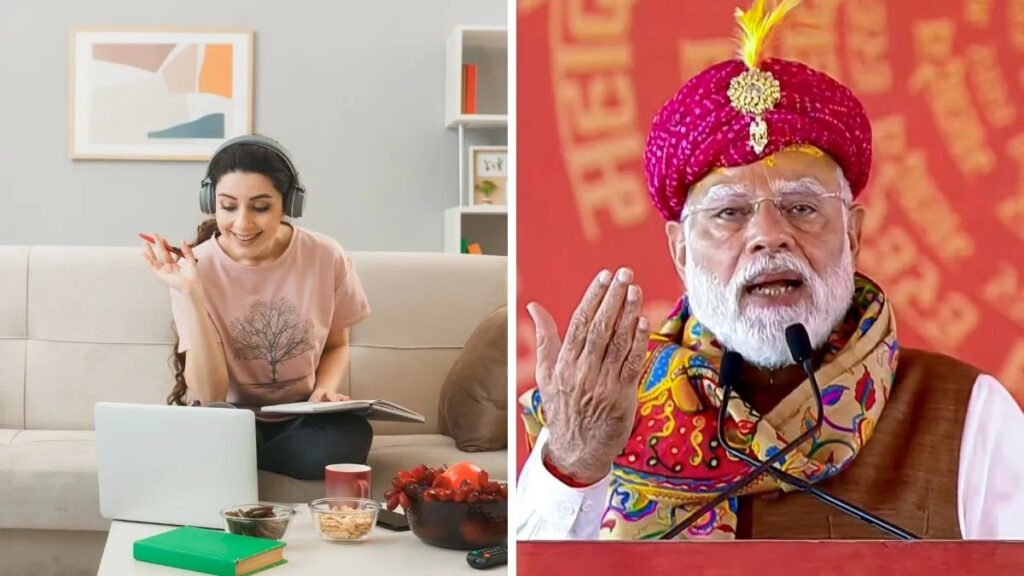
Prime Minister Narendra Modi’s recent suggestion to consider Covid-style online schooling has sparked resistance from parents, education experts and private school bodies, with many warning about the harmful impact of prolonged screen-based learning on children.
Prime Minister Narendra Modi’s recent remarks encouraging online schooling similar to the Covid-19 period have triggered criticism from education experts, school managements and parents across the country.
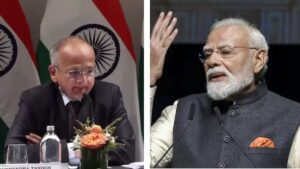
During a public address, the Prime Minister reportedly suggested adopting online classes in situations where required, similar to the education model used during the pandemic. However, the idea has not gone down well with many educators and families, especially in Maharashtra’s Sambhajinagar, where parents and experts openly opposed the proposal.
Several school management representatives argued that school education is not limited to textbooks and exams. They said classrooms play a major role in a child’s emotional, social and creative development.

Education experts stressed that children learn important life skills through interaction with classmates, participation in sports, teamwork and direct communication with teachers, elements that are difficult to recreate through virtual learning.
One academician said education is “a holistic process involving social development, creativity, play and human values,” adding that online learning cannot fully replace the classroom environment for school students.
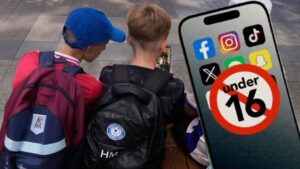
Many parents also expressed concern over the return of long screen hours for children. According to them, the Covid pandemic already led to severe screen addiction among students, affecting concentration, physical activity and mental health. Some parents claimed children became isolated, less active and emotionally stressed during prolonged online schooling between 2020 and 2022.
Private school associations also opposed the idea, saying online education may work at higher education or professional levels but is not suitable for younger school-going children. They argued that primary and secondary education requires direct teacher supervision, peer interaction and hands-on learning experiences.
Several experts pointed out that online classes during the pandemic were introduced as an emergency arrangement, not as a permanent replacement for physical schools. They added that many students, particularly in rural and semi-urban regions, also struggled with internet access, device availability and learning gaps during that period.
At the same time, some educators acknowledged that digital tools can still play a supportive role in education. Recorded lectures, online assignments and hybrid learning methods may help during emergencies or temporary disruptions, but they believe regular classroom teaching should remain the foundation of school education.
The debate has once again highlighted the larger discussion around technology in education, balancing digital convenience with the social and emotional needs of children.
Disclaimer: Education approaches may vary depending on policy decisions, local conditions and institutional requirements.