Pune reduces PM2.5 levels by 21% since 2019, Pimpri-Chinchwad records an annual PM2.5 average of 51.8 µg/m³ in 2024
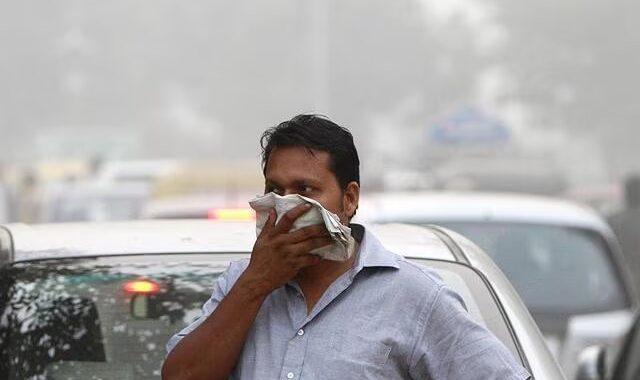
Pune reduces PM2.5 levels by 21% since 2019, Pimpri-Chinchwad records an annual PM2.5 average of 51.8 µg/m³ in 2024 ( Representative Image )
Cities show mixed air quality trends highlighting the need for targeted interventions
Pune, January 7, 2025: On the sixth anniversary of the National Clean Air Programme (NCAP), a new report by Respirer Living Sciences highlights the mixed air quality performance of Pune and Pimpri-Chinchwad.
According to the report Towards Clear Skies 2025, which uses data from the AtlasAQ Platform, while Pune achieved a 20.7% reduction in PM2.5 levels between 2019 and 2024, recording an annual average of 38 µg/m³ in 2024, Pimpri-Chinchwad’s PM2.5 level stood at 51.8 µg/m³, significantly higher than its neighbouring city. These findings underscore the need for localised and coordinated measures to address pollution hotspots in the Pune Metropolitan Region (PMR).
“Pune’s progress demonstrates the effectiveness of targeted interventions, but the disparities with Pimpri-Chinchwad highlight the urgent need for a more integrated regional approach to air quality management,” said Ronak Sutaria, Founder of Respirer Living Sciences.
Key Findings for Pune and Pimpri-Chinchwad

1. Pune’s Success: Pune reduced PM2.5 levels from 47.9 µg/m³ in 2019 to 38 µg/m³ in 2024, marking a 20.7% reduction. Improved public transport, stricter dust controls, and industrial emission regulations contributed to this progress.
2. Pimpri-Chinchwad’s Challenges: Pimpri-Chinchwad recorded a PM2.5 level of 51.8 µg/m³ in 2024, reflecting higher emissions from industrial zones and traffic congestion.
3. Comparison with Other Cities: Pune’s air quality in 2024 outperformed cities like Mumbai (36.1 µg/m³) but lagged behind Bengaluru (33 µg/m³) and Chennai (29.5 µg/m³). However, Pimpri-Chinchwad’s air quality remains a concern, particularly during winter months.
Regional Hotspots and Contributing Factors
The report identifies several pollution hotspots in the Pune Metropolitan Region:
● Pune: Traffic congestion at major junctions like Swargate and Shivajinagar, coupled with ongoing construction projects, contributed to localised spikes in PM2.5 levels.
● Pimpri-Chinchwad: Industrial activities in MIDC areas and vehicular emissions along arterial roads like the Pune-Mumbai Highway were key contributors.
● Seasonal Spikes: Both cities experienced higher pollution levels during winter months due to reduced dispersion and increased heating-related emissions.
Recommendations for the Pune Metropolitan Region
To address these challenges and build on existing progress, the report provides actionable recommendations:
● Integrated Regional Planning: Develop a unified air quality management strategy for Pune and Pimpri-Chinchwad, focusing on industrial regulation and urban planning.
● Promoting Electric Vehicles (EVs): Accelerate EV adoption across both cities to reduce vehicular emissions.
● Dust Control: Enforce stricter regulations for construction activities and expand road-sprinkling initiatives to reduce dust pollution.
● Strengthening Public Transport: Further enhance metro connectivity and bus services to reduce dependence on private vehicles.
● Monitoring and Awareness: Increase the number of air quality monitoring stations in Pimpri-Chinchwad and launch community awareness campaigns to encourage behavioural changes.
“A collaborative approach between Pune and Pimpri-Chinchwad will be critical to ensuring sustainable air quality improvements for the entire region,” added Sutaria.
The full report can be accessed here: https://www.respirer.in/wp-content/uploads/2025/01/Towards-Clear-Skies-2025-An-In-Depth-Analysis-of-Air-Quality-Improvements-in-Indian-Cities-2019-2024.pdf