Pune Sewage Crisis Exposed: Report Flags Treatment Gaps After Pashan Plant Failure
Pune Sewage Crisis Exposed: Report Flags Treatment Gaps After Pashan Plant Failure
Pune, April 13, 2026: Serious shortcomings in sewage management have been highlighted in Pune following the failure of a treatment plant near Pashan Lake, raising concerns over official claims by the Pune Municipal Corporation (PMC).
According to the Environment Status Report (ESR) 2024–25, the city generates nearly 980 million litres of sewage per day. However, only about 64% of this is treated before being discharged into rivers and other water bodies, pointing to a significant gap in processing capacity.
Although PMC operates multiple sewage treatment plants (STPs) with a combined capacity of 567 MLD and maintains a drainage network spanning over 2,600 kilometres, the report indicates inefficiencies in both collection and treatment. While network coverage is estimated at 95%, only around 64% of sewage is actually collected, suggesting leakages and system gaps.

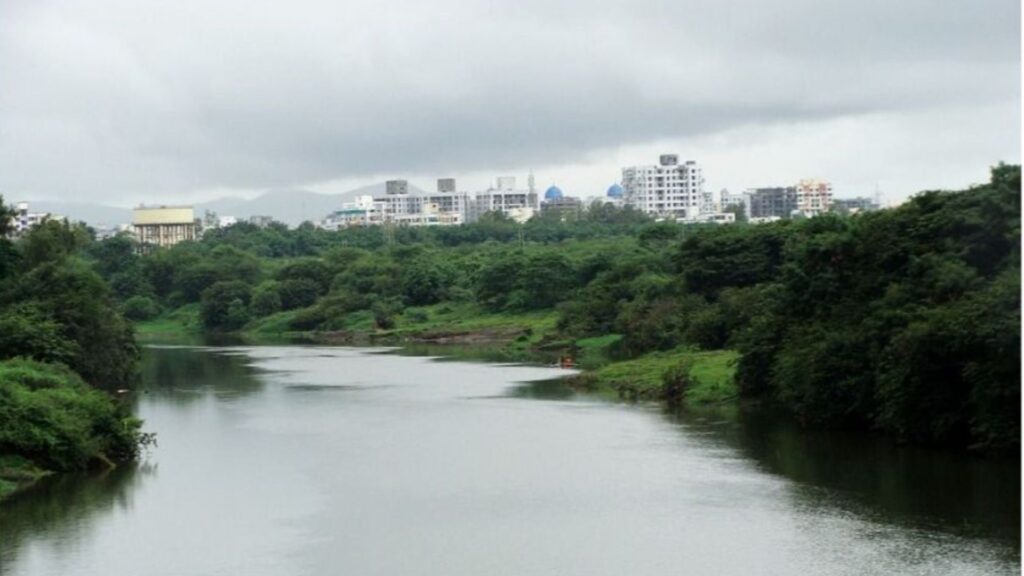
The issue gained attention after a 1 MLD treatment facility near Pashan Lake malfunctioned, leading to the release of untreated sewage into the lake. The incident resulted in fish deaths and triggered environmental and public health concerns.
Following the incident, civic authorities suspended four officials and initiated disciplinary action against a senior official for alleged negligence. Reports indicate that the plant was not functioning at its full capacity at the time of the failure.
Environmental activists argue that the problem extends beyond a single incident. Concerns have been raised about untreated sewage regularly entering the Mula-Mutha River, despite ongoing river improvement initiatives. Questions have also been raised regarding accountability among private contractors managing some of the treatment facilities.
Further challenges have emerged due to delays in a project supported by the Japan International Cooperation Agency, which aims to build 11 new STPs with a combined capacity of 396 MLD. Launched in 2020, the project remains incomplete, widening the gap between sewage generation and treatment.
Civic experts have warned that without stronger oversight and accountability, such failures may continue. Officials, however, maintain that monitoring mechanisms are in place and efforts are underway to upgrade systems, including the installation of advanced monitoring technology at several plants.
The findings of the ESR, combined with the Pashan incident, have raised critical questions about whether existing infrastructure is adequate and effectively managed to prevent untreated sewage from polluting the city’s water bodies.