Serious Brain Infection Due to Tapeworms Found in Cabbage Kills 19-year-old Girl Tragically; Doctors Urge Strict Food Hygiene

Serious Brain Infection Due to Tapeworms Found in Cabbage Kills 19-year-old Girl Tragically; Doctors Urge Strict Food Hygiene
Neurocysticercosis suspected after multiple cysts found in brain; experts urge strict food hygiene
A 19-year-old student from Amroha in Uttar Pradesh died while undergoing treatment at Delhi’s Ram Manohar Lohia (RML) Hospital after doctors found multiple cysts in her brain, a condition identified as neurocysticercosis, a rare but potentially fatal parasitic infection.
The student, Ilma Nadeem, had been unwell for several weeks. According to her family, she had suffered from typhoid about a month earlier, after which her condition steadily deteriorated. She complained of severe headaches and worsening health, prompting medical tests at a private hospital in Noida.
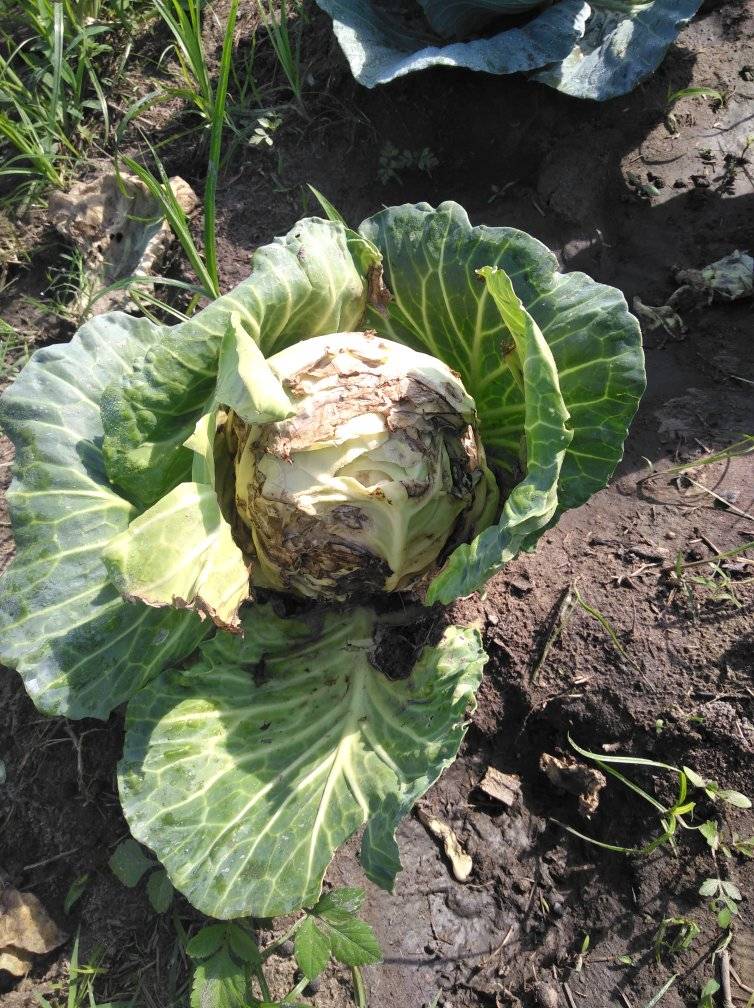
CT scans and MRI reports revealed nearly 20 to 25 cyst-like lesions in her brain. Doctors suspected a parasitic infection, possibly caused by tapeworm eggs entering the body through contaminated food, particularly improperly washed vegetables such as cabbage used in fast food.


Ilma was later admitted to RML Hospital in Delhi, where she remained under treatment for nine days. Despite surgical intervention and intensive medical care, she could not be saved. Doctors said the infection had caused extensive swelling in the brain, leading to life-threatening complications.
Medical experts explained that neurocysticercosis occurs when tapeworm eggs enter the human body, usually through contaminated food or water. Unlike adult tapeworms that live in the intestine, the larvae can travel through the bloodstream and lodge in organs such as the brain, where they form cysts. These cysts can trigger seizures, severe headaches, vomiting, dizziness, and neurological damage.
Doctors noted that vegetables grown in soil contaminated with human or animal waste can carry tapeworm eggs. If such vegetables are not washed thoroughly or cooked properly, the risk of infection increases significantly.
The incident has raised fresh concerns after another similar death was reported in Amroha in December 2025. An 11th-grade student died after prolonged illness linked to excessive consumption of fast food. She was treated at Delhi AIIMS, where doctors found severe intestinal damage. Her family stated that she regularly consumed pizza, burgers, and chowmein instead of home-cooked meals.
Health experts stressed that while fast food itself may not always directly cause parasitic infections, unhygienic preparation, poor-quality ingredients, and contaminated vegetables significantly raise health risks. Cabbage, cauliflower, and leafy vegetables require special care, as worms or eggs can remain trapped between layers.
Doctors advise washing vegetables thoroughly under running water and cooking them properly. Boiling vegetables like cabbage or cauliflower for at least five minutes can help kill parasites. Eating outside food frequently, especially from unhygienic sources, can expose people to serious infections.

Experts also cautioned that regular consumption of fast food is linked to nutritional deficiencies, hormonal disruption, heart disease, kidney problems, and long-term cognitive issues. Parents and students are being urged to prioritise home-cooked meals and seek medical attention immediately if unusual symptoms such as persistent headaches, seizures, or vomiting occur after consuming outside food.
Disclaimer: This article is for general awareness and does not substitute professional medical advice. Readers should consult qualified healthcare professionals for diagnosis, treatment, or dietary guidance.