Split vs Window AC: Which Is Safer to Beat the Summer Heat? Key Differences Explained
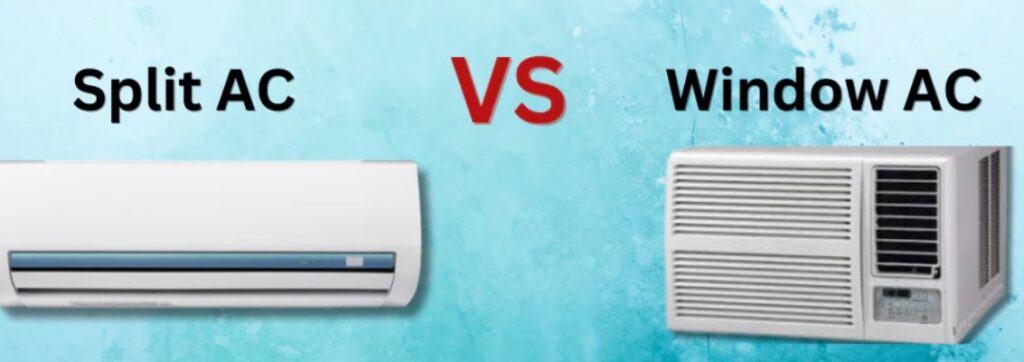
Split vs Window AC: Which Is Safer to Beat the Summer Heat? Key Differences Explained
After the Delhi Vivek Vihar AC blast that killed 9, here’s a safety comparison between window AC and split AC, causes of AC explosions, and essential safety tips.
May 3, 2026: Following the tragic fire incident in Vivek Vihar, where an air conditioner explosion reportedly triggered a blaze in a four-storey building leading to nine fatalities, concerns over AC safety have intensified across the country. The incident has raised an important question among households: which is safer—window AC or split AC?

Understanding the Risk: What Causes AC Blasts?
Air conditioners use refrigerant gases that can become hazardous if leaked and exposed to a spark. Experts point out that common causes of AC explosions include:
- Lack of regular servicing over long periods
- Faulty compressors
- Voltage fluctuations
- Improper installation
When these issues go unchecked, the risk of fire or explosion increases significantly.

Split AC: Pros and Safety Concerns
Split ACs are widely popular due to their efficient cooling and low noise levels. They consist of separate indoor and outdoor units, connected through piping.
However, safety concerns arise due to:
- Longer pipelines, increasing the risk of gas leakage
- Improper installation leading to loose connections or vibration damage
- Higher incidence of blast-related reports, particularly in poorly maintained or older units
Window AC: Simpler but Safer?
Window ACs, which come as a single unit, are often considered more robust in terms of safety.
Key advantages include:
- Lower risk of gas leakage due to shorter and simpler piping
- Easier installation and maintenance
- Generally safer in older buildings
On the downside, window ACs tend to be noisier and may not cool as quickly as split units.
Expert Verdict: Which AC Is Safer?
According to experts, window ACs are relatively safer due to their compact design and reduced chances of gas leakage. However, modern split ACs from reputed brands can also be safe if installed correctly and maintained regularly.
Safety Tips Every User Must Follow
- Service your AC at least once every six months
- Use a high-quality stabilizer to prevent voltage damage
- Replace units older than 10 years
- Turn off the AC immediately if you suspect a gas leak
- Avoid installing AC units in direct sunlight or poorly ventilated areas
Conclusion
Air conditioners are essential for comfort, especially during extreme heat, but negligence can turn them into a serious hazard. Incidents like the Vivek Vihar tragedy serve as a reminder to prioritize safety. While window ACs may offer a slight edge in safety, both types can be used securely with proper installation, regular servicing, and timely maintenance.
Disclaimer:
AC safety depends on installation quality, usage conditions, and regular maintenance.