Supreme Court Cracks Down On ‘Tareekh Pe Tareekh’, Introduces Strict Adjournment Rules
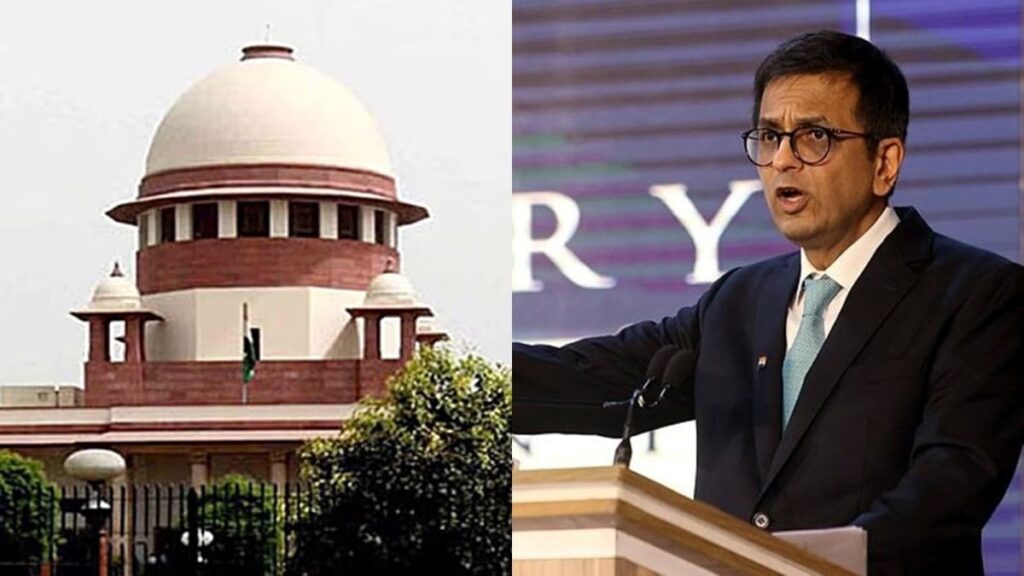
Supreme Court Cracks Down On ‘Tareekh Pe Tareekh’, Introduces Strict Adjournment Rules
New guidelines aim to speed up trials, curb delays, and ensure accountability in court proceedings
In a major step towards speeding up India’s judicial process, the Supreme Court has introduced stricter rules to regulate adjournments, targeting the long-standing issue of repeated delays in court cases.
The move is being seen as a significant reform to improve efficiency and reduce the backlog of pending cases.
End Of Routine Adjournments

The court has made it clear that adjournments will no longer be granted as a routine practice. Requests will now be considered only under exceptional circumstances such as medical emergencies or bereavement, or other genuine reasons that satisfy the court.
This effectively puts an end to the common practice of frequent postponements that slow down hearings.
Mandatory Disclosure Of Reasons
Under the new rules, anyone seeking an adjournment must clearly state the reason and also disclose how many adjournments have already been taken in the case.
This step is aimed at increasing transparency and preventing misuse of the system.
Strict Timeline For Requests
Adjournment requests must now be submitted in advance, typically before 11 am on the previous working day, through a designated process.
The other party must also be informed, and in many cases, their consent will be required.
Limits On Repeated Requests
The court has placed clear restrictions on repeated adjournments. In many cases, adjournment requests may be entertained only once, especially in fresh matters, ensuring cases move forward without unnecessary interruptions.
Greater Judicial Scrutiny
Even when requests are made, they will undergo stricter scrutiny. The court has emphasised that adjournments should not be used as a delaying tactic and must meet a higher threshold of justification.
Faster And More Disciplined Proceedings
These changes are part of a broader effort to streamline court functioning, improve time management, and ensure that justice is delivered without undue delay.
With the new framework in place, the Supreme Court aims to bring more discipline to legal proceedings and reduce the culture of repeated postponements that has long been criticised as “tareekh pe tareekh.”