The Only Nation Without an Official Capital — And the Unusual Story Behind It
The Only Nation Without an Official Capital — And the Unusual Story Behind It
Most countries proudly pinpoint a capital city on the world map—a central place that holds political power, government institutions, and national identity. It’s a universal expectation, almost a rule of nationhood. Yet, somewhere in the Pacific, one tiny country quietly breaks this pattern. Nauru functions normally, recognizes no capital in its constitution, and still manages its affairs without the formality that the rest of the world considers essential.
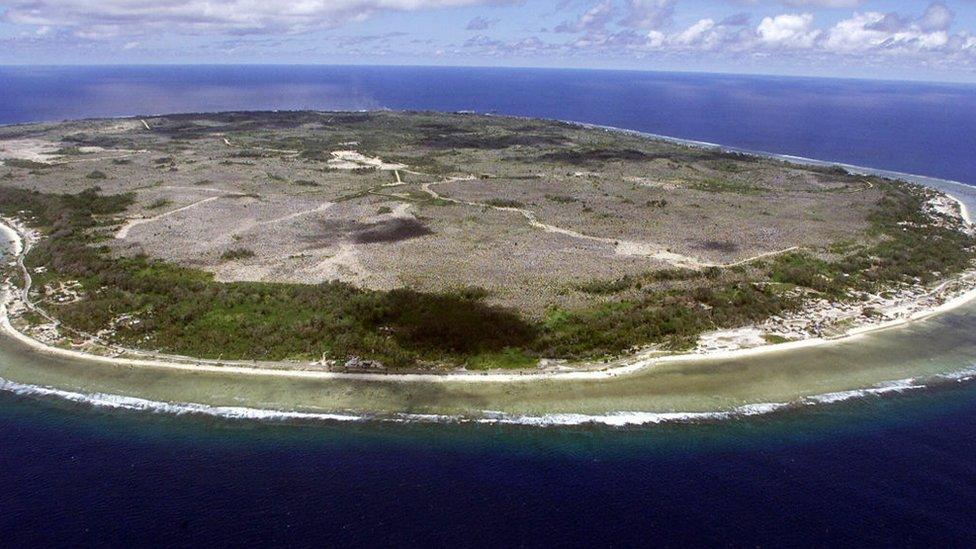
This remarkable exception belongs to a small island state whose scale, history, and practical needs shaped a completely different administrative setup. Instead of a traditional capital, its key institutions are grouped in one district that operates like the centre of government but has never been officially named as such. With just 21 square kilometres of land and a population of around 10,000, Nauru is divided into districts rather than cities, and its communities blend together so seamlessly that declaring a specific capital was never seen as necessary.
How One Nation Ended Up Without a Capital

The district that handles parliamentary sessions, presidential duties, and most ministries is Yaren. It’s where daily governance happens, where diplomatic communication is directed, and where visitors often assume the “capital” to be located. Yet, legally, no such designation exists. Yaren is the de facto capital—functioning as one, but never officially titled.
There are several reasons behind this unusual arrangement:
• A tiny land area
With so little space, assigning a capital city would be largely symbolic. Distances are short, and every district is close enough that a formal capital would add no real value.
• Administrative convenience
Government offices naturally developed in the most practical place, and since everything needed was already concentrated in one district, formalising a capital simply never became a priority.
• A unique historical path
The island’s past—once known as “Pleasant Island”—has always reflected independent choices and unconventional organization. Not declaring a capital is just another example of its distinctive approach.
Life and Government Without a Capital
Despite lacking an official capital, governance runs smoothly. Yaren holds the parliament, courts, ministries, and core administrative buildings, making it Nauru’s working hub. Globally, maps and international bodies treat it as the capital for simplicity.
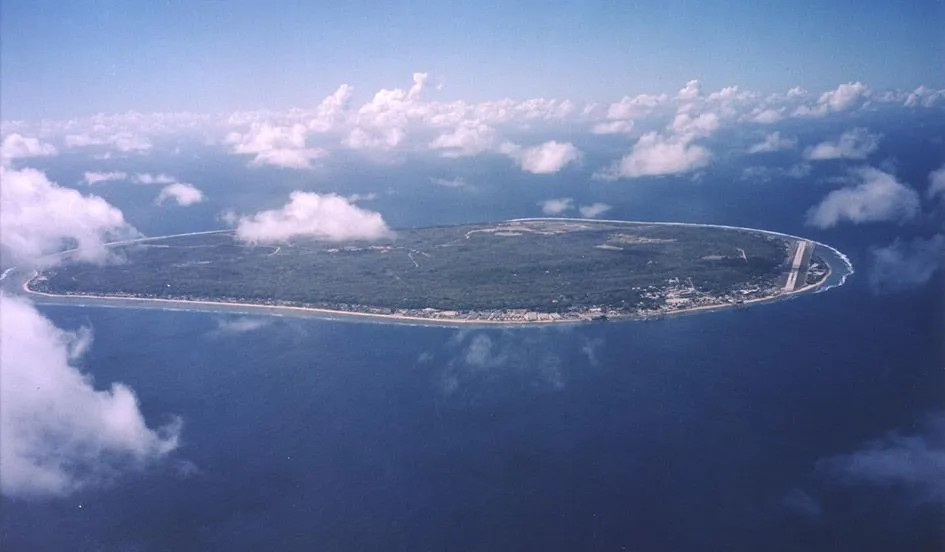
The island once prospered from abundant high-grade phosphate reserves, bringing significant wealth in the 20th century. As those resources declined, the economy shifted toward small-scale tourism, service agreements, and partnerships with other nations. The Australian dollar serves as its currency, and the country remains active internationally, including participation in major sporting events like the Olympics.
Although small, the island offers striking natural beauty—coral reefs, white shores, and warm Pacific waters—all surrounding a nation with one of the most unusual political setups on Earth.
A Rare Exception in a World Full of Capitals
This country’s refusal to formally name a capital city may seem unconventional, but it reflects practicality more than anything else. In a place where everything is within reach, and government structures function flawlessly in one district, tradition didn’t demand a formal title.
In a world where capitals often symbolize national identity, this island—Nauru—proves that not every nation needs one to stand strong—and sometimes, the smallest places offer the most remarkable exceptions.