‘Utkal’ Name Mention In The National Anthem by Rabindranath Tagore: Where exactly is Utkal today?
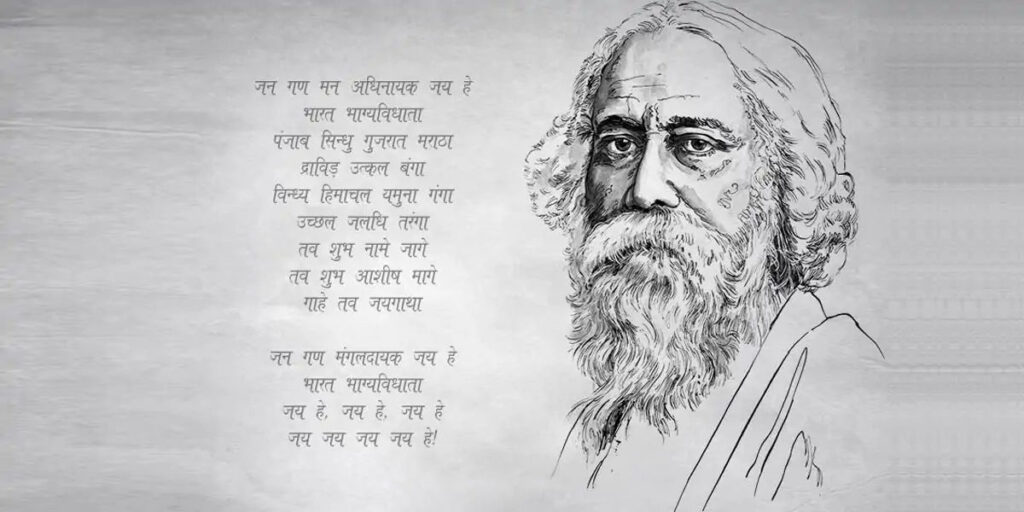
‘Utkal’ Name Mention In The National Anthem by Rabindranath Tagore: Where exactly is Utkal today?
The word ‘Utkal’ in Jana Gana Mana honours Odisha’s rich history, art, and cultural legacy on India’s eastern coast
Whenever we hear the national anthem “Jana Gana Mana”, we stand still with pride. The melody fills us with respect and unity. We sing it from childhood, but many of us never stop to think about the deeper meaning of the words it carries. Each name in the line “Punjab, Sindh, Gujarat, Maratha, Dravid, Utkal, Bang” represents a vast region and culture of India. Most of these names are easy to recognise, but one word often raises curiosity: Utkal. Where exactly is Utkal today?
The word Utkal refers to the present-day state of Odisha. In ancient and medieval India, Odisha was known as Utkala or Kalinga. When Rabindranath Tagore wrote the anthem in 1911, he chose the classical and historical name Utkal to represent this eastern coastal region of India. Along with Bang (Bengal), Utkal symbolised the cultural and geographical identity of eastern India.
The meaning of the word Utkal itself is deeply beautiful. It comes from Sanskrit. Ut means excellent or superior, and Kala means art or craftsmanship. Together, Utkal means “the land of finest art.” This is not just poetic imagination. Odisha is truly known for its artistic brilliance. The Sun Temple of Konark, the Jagannath Temple of Puri, and the ancient cave carvings and sculptures stand as living proof of this artistic heritage. The graceful Odissi dance form also comes from this land and is one of India’s oldest classical dances.

Utkal also holds an important place in Indian history. This was the land of the famous Kalinga War. It was after witnessing the massive bloodshed in this region that Emperor Ashoka abandoned violence and embraced Buddhism. From this soil came the message of peace that later spread across Asia and the world. In that sense, Utkal is not just a geographical term but a symbol of transformation and humanity.
Modern Odisha was formed on 1 April 1936. It became India’s first state to be created on the basis of language. This was a historic step in shaping India’s federal structure. The leaders who fought for this identity were honoured with titles like Utkal Mani (Gopabandhu Das) and Utkal Gaurav (Madhusudan Das). Even today, 1 April is celebrated with pride as Utkal Divas in Odisha.
When Tagore composed the anthem, his aim was to show India as one united land despite its diversity. With Dravid, he represented the whole of South India. With Utkal, he gave respect to Odisha and its surrounding coastal culture. Every word was chosen carefully to show balance, unity, and inclusiveness.
The anthem was first composed in Bengali on 11 December 1911 under the title “Bharoto Bhagyo Bidhata”. It was officially adopted as India’s national anthem on 24 January 1950. It celebrates not just political unity but cultural and geographical harmony. Rivers like Yamuna and Ganga, mountains like the Vindhyas and Himalayas, and regions like Punjab, Gujarat, Dravid, and Utkal together form the soul of India.
Today, when we sing the anthem and reach the word Utkal, we are unknowingly saluting:
- The art and architecture of Odisha
- The spiritual power of Jagannath Puri
- The peace message born after the Kalinga War
- The cultural pride of one of India’s oldest civilisations
Utkal is not a forgotten name. It is a reminder of India’s ancient depth and cultural continuity. It connects modern Odisha to its glorious past and places it permanently in the national identity.
The next time you sing Jana Gana Mana and speak the word Utkal, remember that you are honouring a land of art, courage, peace, and timeless heritage.