When Ordinary Back Pain Signals Something Serious: Early Signs You Could Be Facing a Slipped Disc
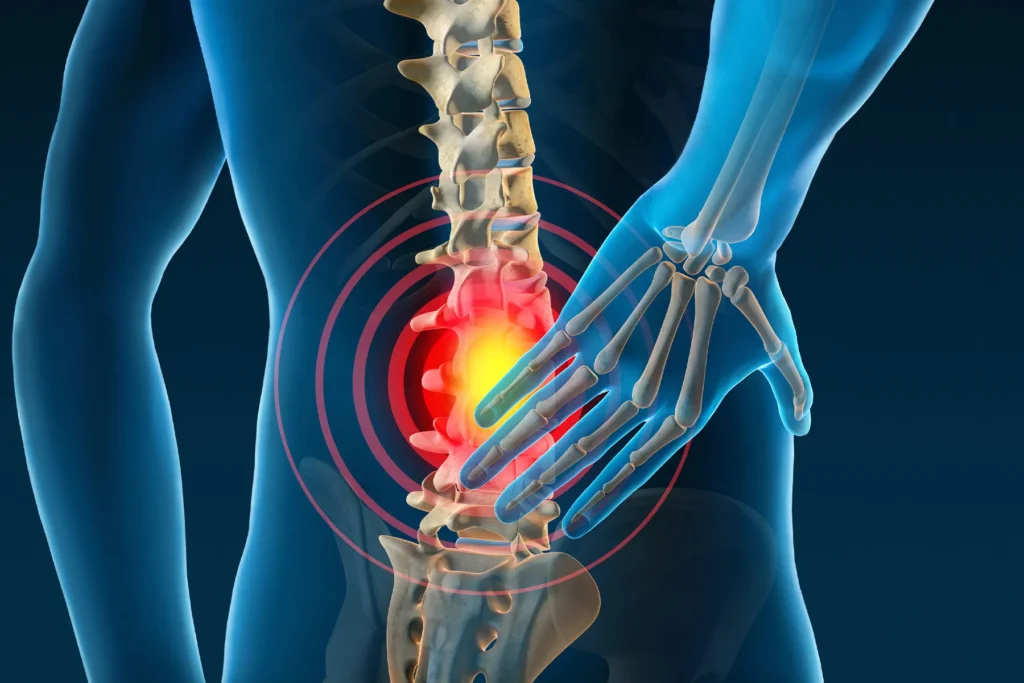
When Ordinary Back Pain Signals Something Serious: Early Signs You Could Be Facing a Slipped Disc
Back pain has quietly become one of the most common health complaints today, often shrugged off as part of modern life. Many people accept it as an unavoidable result of sitting for long hours, poor posture, or simply getting older. Yet, specialists caution that not every backache is harmless. What may begin as minor discomfort could, in some cases, be the body’s early warning of a slipped or herniated disc. According to Dr. Dheeraj Batheja, Consultant Orthospine, Orthopaedics and Spine Surgery at Artemis Hospitals, back pain shouldn’t always be dismissed as fatigue or bad posture. He explains that persistent or recurring pain might actually be your spine’s way of signaling distress. “When the pain refuses to fade, it could mean that a disc is pressing against nearby nerves, and that needs timely attention before serious complications develop,” he notes.
Dr. Batheja emphasizes that a slipped disc can do much more than cause pain—it can interfere with movement, nerve function, and overall quality of life. Detecting the warning signs before the condition worsens can make all the difference between a simple recovery and long-term spinal damage. He outlines several symptoms that people should take seriously before their back pain turns chronic.
One of the most telling signs is persistent lower back pain. While it’s not unusual to experience mild discomfort occasionally, pain that lingers for weeks or returns even after rest or medication can be a red flag. Dr. Batheja explains that what starts as a dull ache may slowly intensify, particularly when you sit, bend, or lift objects. This happens because the slipped disc exerts pressure on spinal nerves, causing inflammation and soreness. Seeking medical evaluation early helps determine whether the pain is muscle-related or disc-related—an important distinction that can prevent future complications.

Another symptom to watch out for is pain that radiates down the legs or arms. Dr. Batheja points out that this may be linked to sciatica, a condition that occurs when a herniated disc presses on a nerve. People often describe the sensation as sharp, shooting pain accompanied by tingling or burning that extends from the lower back to the buttocks and down the leg. If the affected disc is in the neck, the discomfort might spread to the shoulders or arms. Activities such as coughing, sneezing, or sitting for long stretches often make the pain more intense.
Numbness or tingling sensations can also signal nerve involvement. Dr. Batheja explains that when a slipped disc compresses the nerves that transmit signals between the brain and body, areas such as the back, thighs, calves, or feet may feel numb, tingly, or even burn. He advises, “Never overlook these sensations—they mean your nerves are being affected.” Starting physiotherapy or targeted spine exercises early can relieve pressure and stop nerve damage from progressing.
A further warning sign is muscle weakness or reduced mobility. The nerve pressure caused by a herniated disc can make it difficult to control certain muscles. You might find one leg feeling weaker than the other, making walking, lifting, or even standing for long periods more challenging. Some individuals notice “foot drop,” where they struggle to lift the front part of the foot. If the slipped disc occurs in the neck, weakness can appear in the shoulders or hands. Dr. Batheja advises, “If you notice uneven strength or difficulty moving, don’t delay medical care—these are signs that nerves are under stress.”
Finally, pay attention to pain that worsens with specific movements. Bending, twisting, or lifting heavy objects can make the discomfort sharper. Although lying down or changing posture may bring temporary relief, the pain often returns once normal activity resumes. According to Dr. Batheja, “This pattern usually means the spine is under pressure and certain movements are intensifying nerve compression. Ignoring it or pushing through the pain may only make the disc damage worse.”
Dr. Batheja urges people not to delay seeking medical advice if they experience any of these symptoms, particularly leg pain, numbness, or muscle weakness. “When back pain is accompanied by nerve-related symptoms, it’s important to get checked immediately. What starts as a mild issue can progress into something that eventually requires surgery,” he explains.
Doctors typically recommend MRI or CT scans to confirm the diagnosis and identify the affected disc. The encouraging news, however, is that most cases can be managed without surgery. Through physiotherapy, posture correction, and simple lifestyle changes, patients can often recover fully and prevent future episodes.
Recognizing your body’s signals early—and acting on them—can spare you from years of discomfort. Back pain might be common, but that doesn’t mean it should be ignored. Your spine is your body’s foundation, and listening to its warnings can make all the difference between short-term pain and lifelong relief.
Disclaimer: The information provided is for general informational purposes only and should not be considered professional advice.