Why is the Samosa Always Triangular? The Story Behind the Shape
Why is the Samosa Always Triangular? The Story Behind the Shape
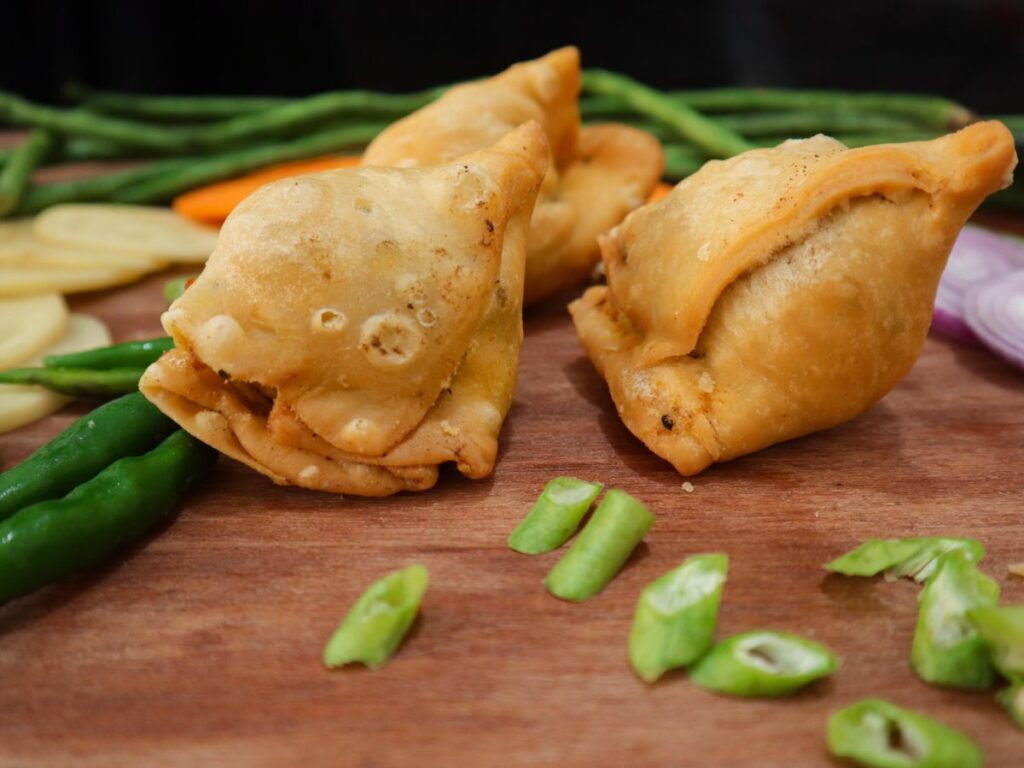
Samosas are one of the most beloved snacks not just in India, but around the world. Crispy on the outside and filled with a flavorful mixture of potatoes, peas, or meat on the inside, they have become a universal favorite. Despite their popularity, very few people stop to wonder about a simple yet intriguing question: why is a samosa always triangular? The answer lies in a combination of practicality, history, and tradition.
Practical Reasons Behind the Shape
One of the main reasons for the triangular shape is purely practical. Samosas are often stuffed generously with a variety of fillings, and the triangular design, with its folded edges, helps keep everything neatly inside while frying. A circular or flat shape would not hold the filling as securely, leading to spills and messes. The triangle also makes the samosa easy to hold and eat. The pointed tip and firm edges provide a comfortable grip and allow for a perfect bite without the filling falling out, which adds to the snack’s convenience and popularity.

Historical Origins
The history of the samosa also sheds light on its shape. This snack did not originate in India. Its roots go back to the Middle East and Central Asia, where it was known as sambusak in Persian. Early versions of sambusak were often triangular or cone-shaped, resembling small pyramids. This shape likely influenced the triangular samosa we are familiar with today. Originally, samosas were filled with meat. However, in the 16th century, Portuguese explorers introduced potatoes to India, which gradually became a popular filling. Over the years, Indian cooks experimented with various ingredients, giving rise to the many types of samosas available today, but the triangular shape remained unchanged, blending tradition with practicality.
Cultural Significance
The triangular design of the samosa also has cultural and aesthetic significance. Its unique shape makes it instantly recognizable and visually appealing. Even with modern variations like baked samosas or samosa wraps, the triangle remains a defining feature. The shape is not only practical for cooking and eating but also has become a symbol of the snack itself.
In conclusion, the triangular shape of the samosa is a thoughtful combination of design, convenience, and historical influence. It helps keep the filling intact, makes eating easier, and preserves centuries of culinary tradition. So, the next time you enjoy a golden, crispy samosa, take a moment to appreciate the careful design that has made this snack so timeless.
Note: The origins of the samosa and its triangular shape are based on historical and culinary research. While practicality is the most widely accepted reason for the shape, some aspects of its history may include traditional practices or regional variations. Different fillings and shapes may exist in various cultures, but the triangle remains the most iconic form.