Winter Mouth Ulcers: Why Cold, Dry Weather Triggers Painful Sores And How To Prevent Them

Winter Mouth Ulcers: Why Cold, Dry Weather Triggers Painful Sores And How To Prevent Them
Dry air, dehydration and reduced saliva in winter make the mouth more vulnerable to canker sores, but simple habits can help protect oral health.
Many people notice an increase in mouth ulcers during winter, and the reason lies largely in the dry and cold weather. Low humidity levels reduce moisture in the body and in the oral cavity, making the delicate tissues inside the mouth dry, chapped and more prone to cracking. These tiny cracks can easily become infected, leading to painful mouth ulcers, also known as canker sores.
In winter, people also tend to drink less water because thirst naturally decreases in cold weather. Reduced water intake lowers saliva production. Saliva plays a crucial role in oral health as it washes away bacteria, neutralises acids and keeps mouth tissues hydrated. When saliva levels drop, bacteria multiply more easily, increasing the risk of sores and infections.
Another contributing factor is weakened immunity. Cold weather, limited sunlight exposure and possible Vitamin D deficiency can slightly suppress the immune system. When immunity is low, the body becomes less effective at controlling minor infections or inflammation in the mouth, making ulcers more likely to develop and take longer to heal.

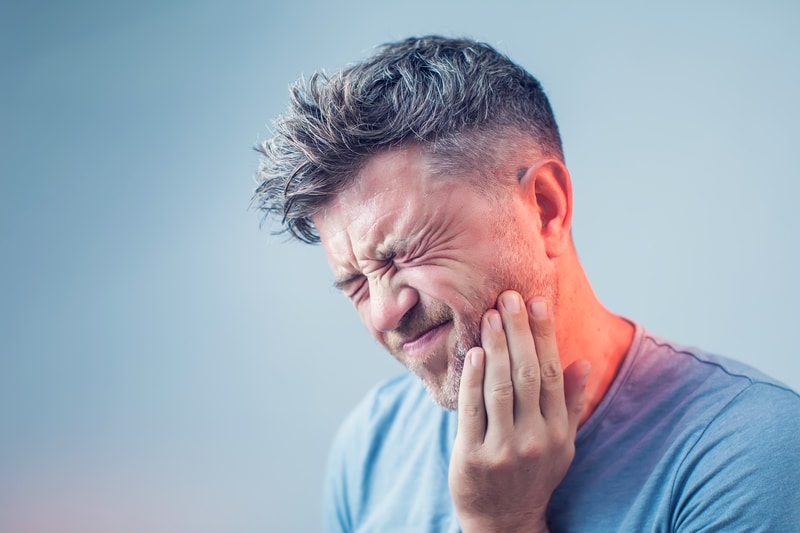
Dry tissues inside the mouth are also more sensitive to irritation. Hard, spicy, salty or sugary foods can easily damage already vulnerable skin, triggering ulcers. Even small injuries caused by brushing, chewing or hot foods can turn into painful sores when the mouth is dehydrated.
Doctors explain that winter mouth ulcers are not usually serious, but they can be uncomfortable and may interfere with eating and speaking. The good news is that they are largely preventable with basic care and awareness.
Hydration is the most important step. Drinking enough water throughout the day keeps saliva flowing and maintains moisture in the mouth. Warm fluids such as herbal teas or coconut water can also help during colder days.
Using a humidifier at home adds moisture to indoor air and prevents excessive dryness in the mouth, skin and lips. This is especially helpful in air-conditioned or heated rooms, where humidity drops sharply.
Stimulating saliva naturally can also reduce dryness. Chewing sugar-free gum or sucking on sugar-free lozenges, particularly those containing xylitol, encourages saliva production and limits bacterial growth.
Food choices matter in winter. Spicy, salty and overly sweet foods can irritate sensitive mouth tissues and worsen ulcers. Soft, non-acidic and mildly flavoured foods are gentler on the mouth when sores are present.
Simple oral care can speed up healing. Rinsing the mouth with warm salt water helps reduce bacteria and soothe inflammation. Alcohol-free mouthwashes are safer, as alcohol can further dry and irritate mouth tissues.
Protecting the lips is also important. Dry, cracked lips can become entry points for infection and increase overall mouth discomfort. Using a lip balm, preferably with SPF, prevents chapping and protects against sun exposure.
If mouth ulcers become frequent, severe or long-lasting, medical attention is advised. Persistent ulcers can sometimes indicate vitamin deficiencies, particularly Vitamin B12, iron or folic acid, or other underlying health issues that need evaluation.
Winter mouth ulcers are often a result of environmental dryness combined with reduced hydration and immunity. With proper hydration, moisture control and gentle oral care, most people can significantly reduce their risk and discomfort during the colder months.
Disclaimer: This article is for general health awareness only and does not replace professional medical advice. Consult a doctor or dentist if mouth ulcers are severe, persistent or recurring frequently.