3 Simple Home Tests to Detect Fake or Adulterated Ghee
3 Simple Home Tests to Detect Fake or Adulterated Ghee
Golden, aromatic, and deeply rooted in Indian culinary tradition — ghee has been treasured for generations, not just for its flavour but also for its health benefits. But in today’s market, where adulteration is increasingly common, ensuring that your ghee is pure has become more important than ever. The texture, aroma, and colour of real ghee can tell you a lot about its authenticity if you know what to look for.
Here are some easy home methods to help you determine whether your ghee is genuine or mixed with impurities.
1. The Touch and Aroma Test

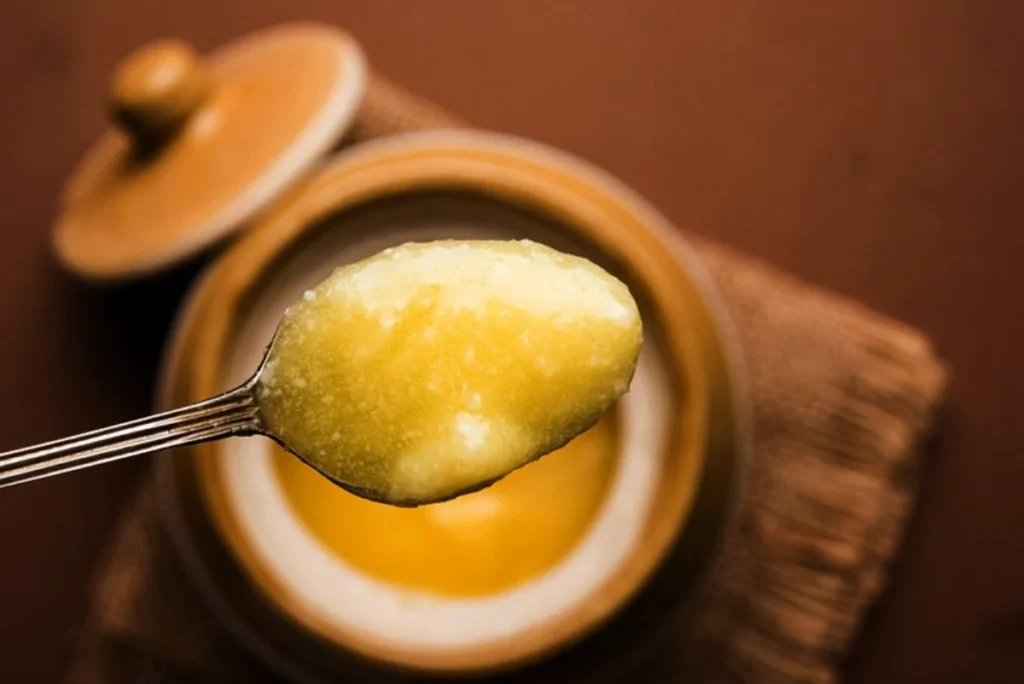
Pure ghee has a distinct, gentle fragrance and melts instantly when it comes in contact with your fingers. It should feel light and smooth. If it takes time to melt, feels sticky, or has a waxy texture, it’s likely to be adulterated. The colour can also offer a clue — cow’s milk ghee usually has a light golden-yellow tint, whereas buffalo milk ghee appears whitish.
2. The Refrigeration Test
If you’re unsure about your ghee’s purity, place it in the refrigerator for about three to four hours. Authentic ghee solidifies evenly, maintaining a uniform texture throughout. On the other hand, fake or mixed ghee tends to separate into different layers after refrigeration, which indicates the presence of oils or other additives.
3. The Water Test
Another quick test involves water. Take a spoonful of ghee and drop it into a bowl of water. Pure ghee will float on top, while adulterated varieties are denser and tend to sink. It’s a simple yet effective trick that can reveal a lot about your ghee’s quality.
Why Purity Matters
Regular consumption of fake or low-quality ghee can be harmful to health. Chemical additives and adulterants can disrupt digestion, overload the liver, and raise cholesterol levels, leading to heart problems over time. Choosing pure ghee not only safeguards your health but also ensures that your meals retain their authentic flavour and nutritional value.
In Ayurveda, ghee is considered a powerful rejuvenator that nourishes the body, improves immunity, and enhances skin health. It’s rich in fat-soluble vitamins like A, D, E, and K — all essential for overall well-being.
How to Make Pure Ghee at Home
If you want absolute purity, the best solution is to make ghee yourself. Collect the cream (malai) from boiled milk over several days and store it in a clean container. Once enough is gathered, heat it gently on a low flame. Slowly, the cream will turn golden and release a pleasant aroma — that’s the sign your homemade ghee is ready. Strain it once cool and store it in a glass jar for long-lasting freshness and flavour.
Storage Tips
To preserve its aroma and nutrients, always store ghee in a glass or stainless-steel container, away from moisture, heat, and direct sunlight. When stored properly, pure ghee can remain fresh and aromatic for months.
Health Benefits of Pure Ghee
Consuming a small amount of genuine ghee every day can do wonders for your body. It boosts energy, aids digestion, cleanses the stomach, and gives the skin a natural glow. However, moderation is key — even the purest ghee should be enjoyed in balanced quantities.
Disclaimer: The information provided here is for general awareness and home-based testing purposes only.