5 Luxury Cars That Turn Long Drives Into Effortless Journeys

5 Luxury Cars That Turn Long Drives Into Effortless Journeys
Long-distance journeys quickly highlight the difference between ordinary comfort and true engineering excellence. Hours on the road demand more than soft leather and a smooth playlist — they require thoughtful design that supports both body and mind. Luxury car manufacturers have spent years analyzing how travel affects drivers and passengers, focusing on reducing strain before it becomes noticeable. The result is a new generation of flagship vehicles built not only for premium comfort, but specifically to minimize fatigue and make extended drives feel remarkably effortless.
Today’s top-tier sedans and SUVs use advanced suspension systems, intelligent driver assistance, precision cabin insulation, and ergonomically engineered seating to reduce both physical strain and cognitive overload. These vehicles are designed to make hours behind the wheel feel calm, balanced, and controlled.
Here are five luxury cars built specifically to make long-distance travel easier on the body and mind.

Mercedes-Benz S-Class
The Mercedes-Benz S-Class has long been a benchmark for ride comfort, and its latest generation takes that reputation even further with technology focused on wellness during travel.
At the core of its smooth ride is E-Active Body Control suspension. The system scans the road surface ahead and adjusts each wheel individually within milliseconds. Instead of simply reacting to bumps and potholes, it anticipates them, significantly reducing the jolts and vibrations that cause fatigue over time. The result is a composed, floating sensation that keeps passengers relaxed even on uneven highways.
Inside the cabin, the Energizing Comfort programs coordinate multiple features — seat massage, ambient lighting, climate settings, and even fragrance diffusion — into synchronized relaxation modes. During extended highway drives, the environment can be adjusted to promote calmness and reduce stress, transforming the cabin into a moving lounge designed to support sustained comfort.
BMW 7 Series
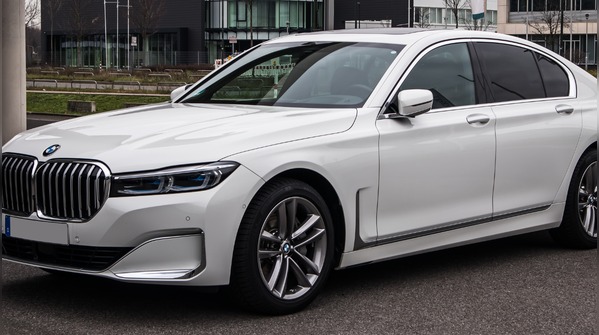
The BMW 7 Series addresses long-distance fatigue by focusing on mental clarity as much as physical ease. Long drives are often exhausting because of constant small decisions and sensory input. This sedan is engineered to reduce that burden.
Its multi-contour seats with active massage functions continuously adjust pressure distribution, helping prevent stiffness during extended periods behind the wheel. The advanced driver assistance systems manage repetitive tasks such as lane centering and adaptive cruising, allowing the driver to remain attentive without continuous strain.
Cabin acoustics are another highlight. Extensive sound insulation minimizes wind and road noise, making conversations effortless even at highway speeds. By lowering background noise and reducing sensory overload, the vehicle helps drivers stay composed and focused throughout the journey.
Audi A8

The Audi A8 focuses on sharing the workload of long-distance driving through discreet yet effective technology.
Its semi-autonomous driving systems assist with steering, braking, and acceleration during highway travel. By handling routine micro-adjustments, the car reduces the steady mental effort that often leads to driver exhaustion.
The predictive active suspension system further enhances comfort by adjusting individual wheels to compensate for road imperfections. The cabin remains balanced and composed even when the surface beneath it changes.
Passengers also benefit from customizable ambient lighting and independent climate zones, allowing everyone to maintain personal comfort without repeated adjustments. The technology operates quietly in the background, ensuring that drivers arrive at their destination feeling more refreshed than expected.
Lexus LS

The Lexus LS approaches fatigue reduction by focusing heavily on refinement and emotional calm.
Extensive sound insulation combined with active noise control technology reduces unwanted frequencies inside the cabin. The environment feels isolated from outside disturbances, helping drivers maintain concentration without sensory strain.
Seating design plays an equally important role. Inspired by traditional Japanese hospitality principles, the seats distribute body weight evenly to reduce pressure buildup during long hours of driving. Even details such as smooth throttle response and carefully tuned steering feedback are calibrated to avoid sudden movements that gradually tire the driver.
Every element is engineered to create a serene space that supports relaxed, controlled travel.
Range Rover
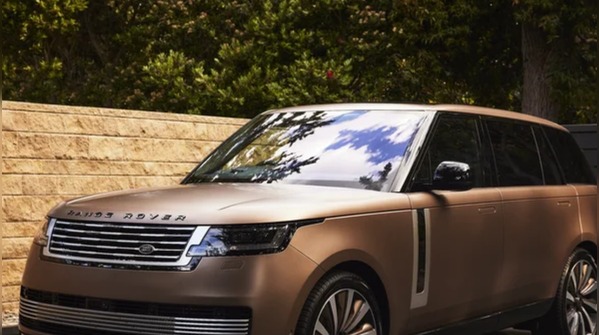
Long journeys do not always take place on perfect highways. Changing road conditions can increase vibration and physical strain. Range Rover is built to manage exactly these situations.
Its Predictive Dynamic Response system and adaptive air suspension constantly monitor terrain conditions. Ride height and damping adjust in real time to maintain stability and absorb irregularities from rough or uneven surfaces. This minimizes the continuous vibrations that typically exhaust passengers on long trips.
Rear passengers benefit from deeply reclining seats with heating, ventilation, and massage functions. Whether navigating city streets or rural roads, the cabin remains composed and comfortable, reducing the stress associated with unpredictable travel conditions.