Ganpati Visarjan 2025: What Really Happens To The Eco-Friendly Idols After Immersion?
Ganpati Visarjan 2025: What Really Happens To The Eco-Friendly Idols After Immersion?
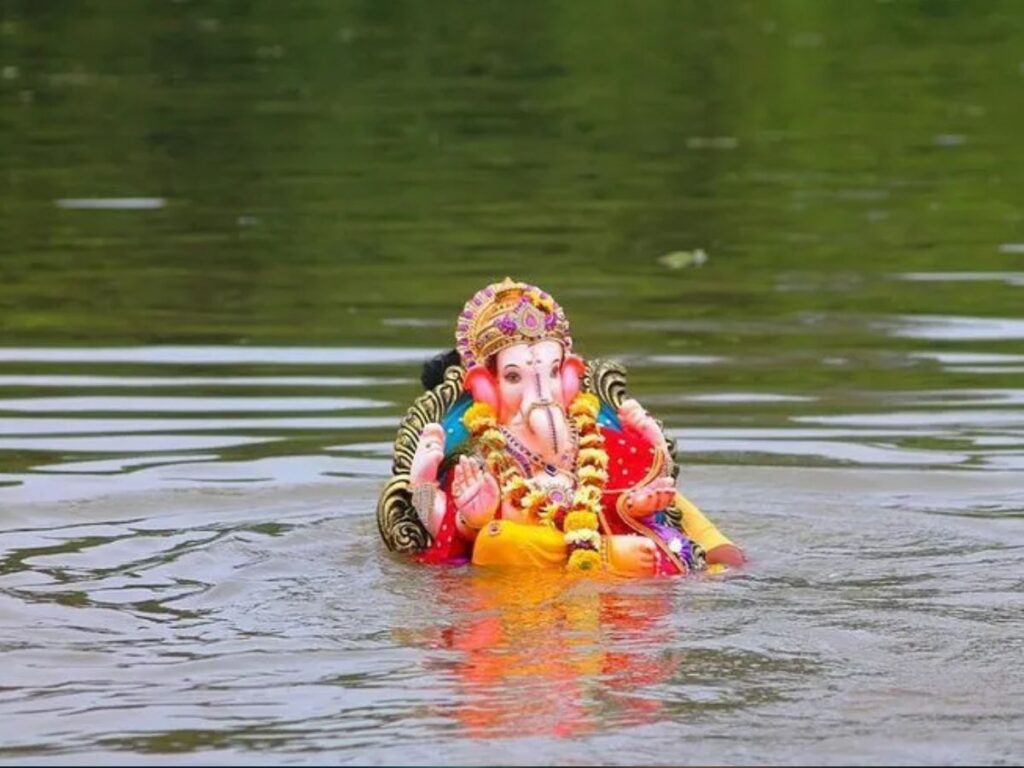
Ganesha Visarjan marks the ritual immersion of Lord Ganesha’s idol in a water body at the end of Ganeshotsav. As per tradition, every Puja Vidhi ends with Visarjan or Utthapana. While Anant Chaturdashi is considered the main day of visarjan, many families also perform it on odd-numbered days such as the 3rd, 5th, or 7th day after Ganesh Chaturthi. The 11th day, Anant Chaturdashi, also falls on an odd number, symbolizing auspiciousness.
Rise of Eco-Friendly Idols
In recent years, environmentalists have raised concerns about the pollution caused by Plaster of Paris (PoP) idols, which do not dissolve easily and harm aquatic life. In response, clay idols and seed-embedded plantable idols are becoming popular. These pods are designed to dissolve quickly and safely in water without leaving behind toxic residue.

According to the civic official from Mumbai, clay idols dissolve in hours or a few days, unlike Plaster of Paris idols, which can take months. In this way, families are assured their devotion does not harm the ecosystem.
The Dissolution Process
Eco-friendly idols are made of Shadu Mati (natural clay) or red soil, which are biodegradable and non-toxic. They are colored with vegetable-based or water-soluble paints. Once immersed, they dissolve and merge back into the soil.
For seed-embedded idols, visarjan takes on a new meaning. As the clay dissolves, the seeds begin to sprout, turning the ritual into an act of regeneration. These idols are often immersed in small tanks or gardens, where they nourish plants instead of polluting rivers and seas.
Civic Push for Green Visarjan
Municipal bodies in Mumbai, Pune, and Hyderabad have been urging citizens to switch to eco-friendly idols. Many residential societies have also set up immersion tanks to make the process easier. This reduces the pressure on civic cleanup drives after visarjan.
According to a Pune civic body representative, “By using clay idols and artificial tanks, people are helping reduce water pollution and also making the cleanup process smoother.”
Environmental Benefits
Experts note that clay idols prevent chemical-based waste from entering lakes, rivers, and the sea. This ensures aquatic life is not disturbed and natural ecosystems remain balanced. Without synthetic paints or harmful materials, the visarjan process becomes safer for both humans and the environment.
Eco-friendly visarjan avoids the release of harmful chemicals and helps protect aquatic life. It also shows how traditions can be celebrated without causing long-term damage to nature.
Balancing Devotion and Sustainability
Ganesh Utsav has always been a festival of devotion and togetherness. The shift towards eco-friendly visarjan shows that faith and sustainability can go hand in hand. Families who choose clay or plantable idols continue their traditions while making a commitment to protect the environment.
As celebrations begin this year, the growing popularity of green idols reflects a broader cultural change. Choosing an eco-friendly idol is not just a ritual but also a step towards protecting natural resources for the future.