No PAN Needed for Property Deals Up to ₹20 Lakh as Government Plans Rule Change
No PAN Needed for Property Deals Up to ₹20 Lakh as Government Plans Rule Change
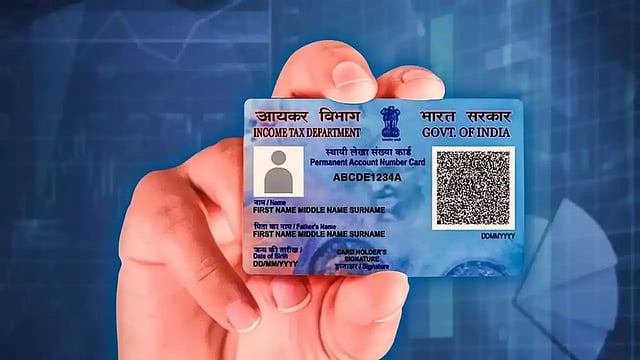
Property buyers and sellers may soon get relief from PAN card requirements for smaller transactions, as the government proposes to increase the threshold for mandatory PAN disclosure in property deals. Under the Draft Income Tax Rules 2026, the current ₹10 lakh limit is set to be doubled to ₹20 lakh, which means transactions below this value would no longer require providing PAN details. The draft also includes provisions to cover gift transactions and joint development agreements under the compliance framework.
At present, buyers and sellers of houses, flats, or plots must provide their PAN details if the transaction value exceeds ₹10 lakh. The proposed rules would raise this limit to ₹20 lakh, offering particular relief to buyers in smaller towns and semi-urban areas where property prices are generally lower. The adjustment is expected to reduce paperwork and simplify property purchases for smaller transactions.
The draft rules aim to broaden the scope of PAN compliance to cover alternative forms of property transfer. Property given as a gift would now fall under the PAN framework if its value crosses the specified limit. Similarly, joint development agreements, in which landowners collaborate with developers to execute a project, are also being considered for inclusion under PAN rules.

Experts in taxation point out that rising property values and market trends have rendered the current ₹10 lakh threshold outdated. Atul Monga, CEO of Basic Home Loan, highlights that increasing the PAN disclosure limit would primarily benefit buyers in non-metro cities and smaller towns, where real estate prices remain relatively low. This change is expected to streamline documentation processes and make property transactions less cumbersome.
Currently, these rules exist only in draft form. Before issuing a final notification, the government plans to seek feedback from relevant stakeholders. Based on the suggestions received, adjustments may be made to the draft. Only after this review will the rules be officially implemented.