Interesting Facts: Why Do Airplane Windows Have a Tiny Hole? The Science Behind It Will Surprise You
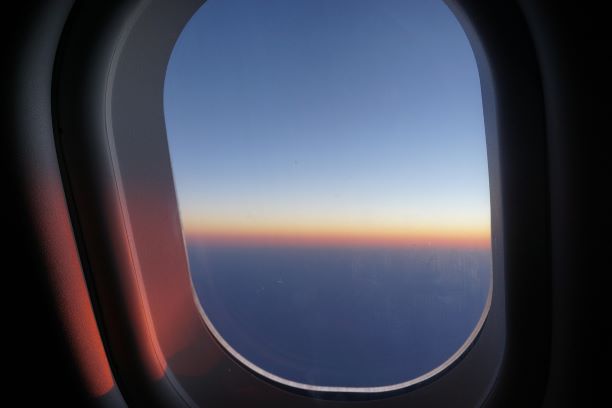
Interesting Facts: Why Do Airplane Windows Have a Tiny Hole? The Science Behind It Will Surprise You
Flying above the clouds and enjoying breathtaking aerial views is one of the most memorable parts of air travel. But have you ever noticed a tiny hole at the bottom of an airplane window? While many passengers may overlook it, this small feature plays a major role in ensuring flight safety and passenger comfort.
The tiny opening, known as a “bleed hole” or “breather hole,” is a crucial engineering element found in aircraft windows. Experts say it helps maintain pressure balance inside the aircraft and prevents window damage during flight.
Why Airplane Windows Are Not Made of Glass
Unlike regular windows, airplane windows are typically made from strong acrylic material instead of glass. Most aircraft windows consist of three layers.

- The outer layer handles extreme air pressure and weather conditions.
- The middle layer contains the tiny breather hole.
- The inner layer, closest to passengers, acts as a protective shield against scratches and damage.
How the Tiny Hole Protects Passengers
Commercial airplanes usually fly at altitudes between 30,000 and 40,000 feet, where outside air pressure is extremely low. However, aircraft cabins are pressurized to keep passengers comfortable and safe.
This creates a major pressure difference between the inside and outside of the aircraft. The small breather hole helps regulate and equalize the pressure between the window layers, ensuring that most of the pressure is absorbed by the outer pane.
Experts explain that if the outer layer gets damaged during an emergency, the middle layer is designed to handle the remaining pressure safely.
Prevents Fog and Ice Formation
The breather hole also helps prevent moisture buildup between the window panes. At high altitudes, temperatures can drop drastically, causing fog, condensation, or even ice formation on windows.
By allowing controlled airflow and moisture release, the tiny hole keeps the windows clearer and improves visibility for passengers throughout the journey.
Small Feature, Big Engineering Role
Though barely noticeable, the breather hole is considered an essential part of aircraft engineering. It helps maintain structural integrity, supports cabin pressure management, and enhances passenger safety during flights.
Experts say this small design detail reflects the advanced engineering that goes into making modern air travel safe and comfortable.
Disclaimer: This article is based on general information and expert discussions available in the public domain. It is intended for informational purposes only and should not be considered technical or professional aviation advice.