A State in India Where More Than 80% of People Are Pure Vegetarians

A State in India Where More Than 80% of People Are Pure Vegetarians
In a world where meat dishes dominate tables and taste buds, Rajasthan offers a striking contrast — a state where vegetarianism is not just a dietary choice, but a way of life steeped in centuries-old tradition, spiritual beliefs, and cultural pride.
While much of India embraces a mix of meat and plant-based diets, Rajasthan stands out as the country’s most vegetarian state. Here, food isn’t just nourishment — it’s a reflection of values, history, and religious devotion.
Vegetarianism Rooted in Faith and Philosophy

The foundations of Rajasthan’s vegetarian identity lie in the teachings of Jainism and Vaishnavism, two faiths that hold a significant presence in the region. The Jain principle of Ahimsa (non-violence) runs so deep that many followers avoid root vegetables, believing their harvest harms life beneath the soil. Similarly, Vaishnav devotees of Lord Krishna uphold a meat-free lifestyle, linking purity of diet to spiritual clarity and closeness to the divine.
Mythology, too, plays its part. The Mahabharata’s Bhishma Pitamah — a revered elder known for his vow of celibacy and ascetic life — is remembered for maintaining a vegetarian diet as part of his spiritual discipline. Across Rajasthani villages, generations have grown up with stories of saints who lived off fruits, grains, and milk, elevating simple vegetarian fare to a sacred offering.
A Cuisine Born from Devotion and Ingenuity
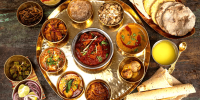
Despite Rajasthan’s dry terrain and scarce access to fresh produce, its culinary traditions have flourished. Dishes like dal baati churma, ker sangri, gatte ki sabzi, and bajra rotis are more than just meals — they’re legacies of resilience, devotion, and creativity. Each recipe carries a spiritual undertone, crafted with the belief that food should honor both body and soul.
Religious rituals and temple offerings reflect this ethos too. Many homes and places of worship uphold strict vegetarian practices, where even cooking meat is considered disrespectful in sacred spaces.
In Contrast with the Country’s Diverse Diets
India’s food culture is incredibly diverse. In states like Nagaland, for example, meat is an integral part of both everyday meals and festive feasts, and vegetarians are a small minority. But Rajasthan’s story is different — with over 80% of its population identifying as purely vegetarian, it offers a rare consistency in food practices shaped by belief rather than trend.
A Sacred Responsibility, Not Just a Choice
In Rajasthan, being vegetarian is often seen as a spiritual duty — a step toward earning punya (virtue) and attaining moksha (liberation). It’s a tradition that continues to thrive not because of passing health trends or global movements, but from a deeply held reverence for life, both human and otherwise.
As the rest of India embraces a variety of culinary influences, Rajasthan remains rooted — a state where food is not just about taste, but about tradition, restraint, and spiritual meaning. It reminds us that what we eat can be a reflection of who we are, and of the values we choose to live by.