As Pune’s Summer Intensifies, Junnar’s Migrant Workers Face Growing Leopard Threat
As Pune’s Summer Intensifies, Junnar’s Migrant Workers Face Growing Leopard Threat
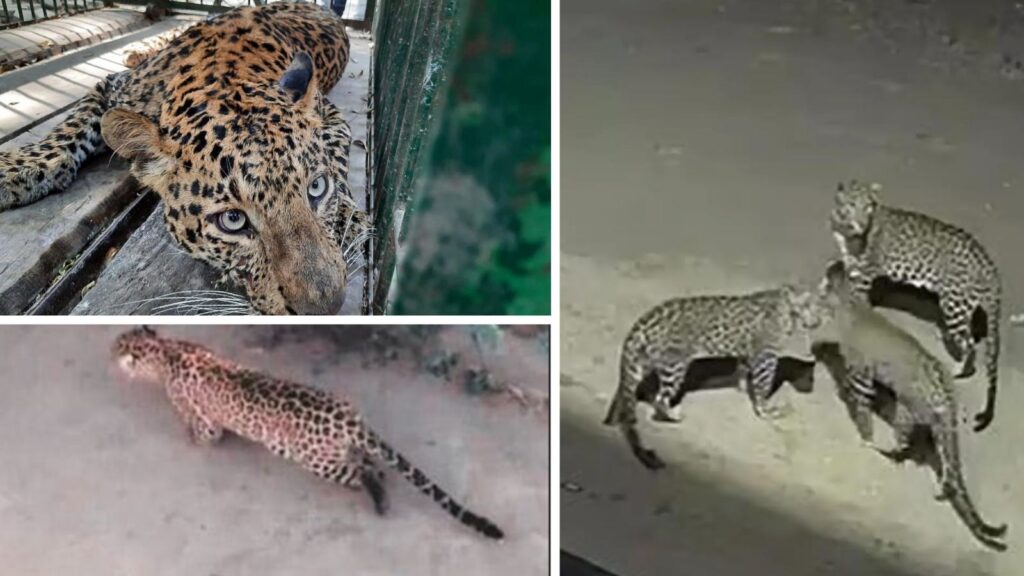
The unusually harsh summer has brought with it a renewed sense of urgency regarding the sensitive issue of human-leopard conflict in the Junnar Forest region of Pune. Local villagers and forest officials are deeply concerned about the increasing number of encounters between humans and leopards.
Although the Forest Department claims to be actively collaborating with the local population, particularly vulnerable groups like migrant farm laborers, there are still crucial questions that need addressing. In 2024, a tragic eight deaths, including five children, were attributed to these conflicts. This marked the second-highest number of fatalities in a single year over the past two decades, making it a significant political issue leading up to the Assembly elections.
Forest officials and studies have observed a disturbing trend: leopard attacks resulting in human and animal deaths increase significantly during the summer months. The Forest Department has acknowledged this pattern and stated they’ve ramped up efforts to address the issue.

Several factors contribute to the rise in human-leopard conflict during summer. One key factor is the transformation of forest areas during this period. These changes, coupled with the specific conditions in the Junnar region, create a breeding ground for conflict. The seasonal cutting of sugarcane, leading to temporary habitat loss, is another significant contributor to the problem.
Over the past few years, the Junnar forest region, like many other well-irrigated areas in the state, has witnessed a significant increase in sugarcane cultivation. This trend has led to a fascinating adaptation by leopards, a highly adaptable species. They’ve found refuge and safe breeding grounds within the dense sugarcane fields. However, summer brings its own challenges: water scarcity in the forest and dwindling prey force leopards to venture further in search of food.
As the sugarcane harvest begins, the dense vegetation that provided shelter for leopards disappears, forcing them to seek new hiding places or attempt to return to the forest. This period of transition increases the likelihood of encounters between humans and leopards.
Measures to address human-leopard conflicts
The Forest Department issued a red alert for 13 villages in Junnar taluka after a series of leopard attacks in April and May of last year. Residents were advised to avoid venturing out between 5 pm and 9 am. Subsequently, the Pune district collector declared over 230 villages from four talukas — Junnar, Ambegaon, Shirur, and Khed — as disaster-prone zones due to recurring human-leopard conflicts.
A forest official mentioned that the department has been actively working to raise awareness and educate local villagers. “We are collaborating with NGOs and local organizations. Villagers in Junnar taluka have now adjusted to the presence of leopards, transitioning from conflict to coexisting in the same environment. We are also carrying out similar awareness initiatives in Khed and Ambegaon talukas, where leopard sightings have been reported,” he stated.
He added, “We are focusing on communities that are most vulnerable, particularly migrants. As the prey population decreases, leopards are increasingly preying on the goats and sheep of shepherd communities. Another vulnerable group includes sugarcane cutters who live in temporary shelters near the fields. Additionally, many migrants arriving for the onion harvest season face similar issues. The living conditions of these groups make them especially vulnerable. We are making concerted efforts to educate and raise awareness among them.”
The officer also noted that the department is providing tents to many vulnerable communities and has increased patrolling and drone surveillance in the affected areas.