Centre Bans High-Dose Nimesulide Nationwide, Oral Formulations Above 100 mg Pulled
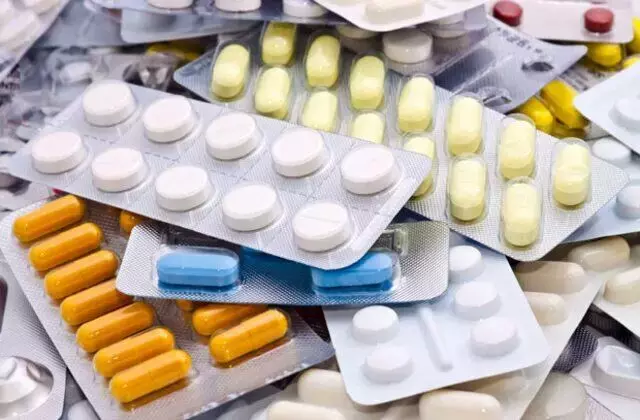
Centre Bans High-Dose Nimesulide Nationwide, Oral Formulations Above 100 mg Pulled
Decision taken on ICMR and DTAB recommendations amid concerns over liver and kidney damage; safer alternatives available
The central government has imposed a nationwide ban on oral formulations of the painkiller nimesulide containing doses above 100 mg, citing serious health risks and the availability of safer alternatives. The prohibition comes into effect immediately and applies across all states and Union Territories.
The decision has been taken under Section 26A of the Drugs and Cosmetics Act, 1940, which empowers the Centre to restrict or ban drugs that pose a potential risk to public health. The move follows recommendations from the Indian Council of Medical Research (ICMR) and the Drugs Technical Advisory Board (DTAB), India’s apex technical body on drug regulation.
Nimesulide is a commonly used non-steroidal anti-inflammatory drug (NSAID) prescribed for pain, fever, and inflammation. It has been widely used for conditions such as toothache, joint pain, menstrual pain, sprains, and acute fever due to its fast-acting nature. However, the drug has long been under scrutiny for its safety profile, particularly its association with liver toxicity.

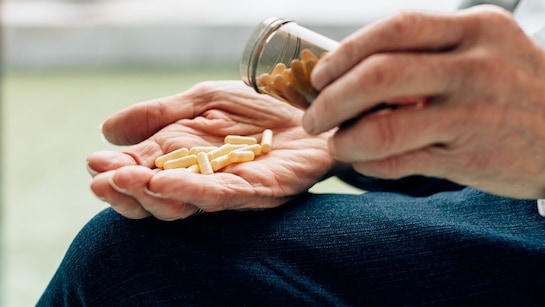
According to the government notification, oral nimesulide formulations exceeding 100 mg may be harmful to human health, with evidence pointing to an increased risk of liver and kidney damage at higher doses. Health authorities noted that several cases of hepatitis, liver failure, and organ injury linked to high-dose nimesulide have been reported over the years.
Medical experts involved in the review process stated that the risk-benefit ratio of high-dose nimesulide is unfavourable, especially when safer and well-studied alternatives such as paracetamol and ibuprofen are widely available. These alternatives have a more established safety record when used at recommended doses.
The World Health Organization has not included nimesulide in its Model List of Essential Medicines, reflecting global caution over its use. In several countries, the drug has either been restricted or withdrawn due to concerns over hepatic injury.
Officials also pointed out that regulatory action against nimesulide has been progressively tightened in India. The drug was already banned for children under 12 years of age, and earlier this year, all formulations of nimesulide were prohibited for veterinary use. The latest decision extends restrictions further by banning all oral formulations above the 100 mg threshold, while allowing lower-dose versions to continue in the market under existing guidelines.
The announcement has caused unease among pharmaceutical companies and medical retailers, as manufacturers producing high-dose nimesulide will now be required to stop production and withdraw existing stocks. Industry sources said the move could lead to financial losses in the short term, but acknowledged that patient safety remains paramount.
Doctors have welcomed the decision, saying it will help curb misuse of the drug and steer patients towards safer pain-relief options. They have advised patients not to self-medicate and to consult qualified healthcare professionals for appropriate treatment, especially for recurring pain or fever.
The government has emphasised that the ban is a preventive public health measure aimed at reducing avoidable drug-related harm and ensuring rational use of medicines.