Confused About Documents? Here’s What Proves Citizenship, Residence, and Date of Birth in India
Confused About Documents? Here’s What Proves Citizenship, Residence, and Date of Birth in India
Understanding the correct use of each document can save you from unnecessary complications in official procedures.
In India, every citizen needs several essential documents that serve different purposes—from government schemes and school admissions to passports and voter IDs. However, confusion often arises over which documents prove citizenship, which establish residence, and which confirm the date of birth. Using the wrong document can lead to unnecessary delays or rejection in official processes. Here’s a clear guide to help you understand which document represents what.
Proof of Citizenship
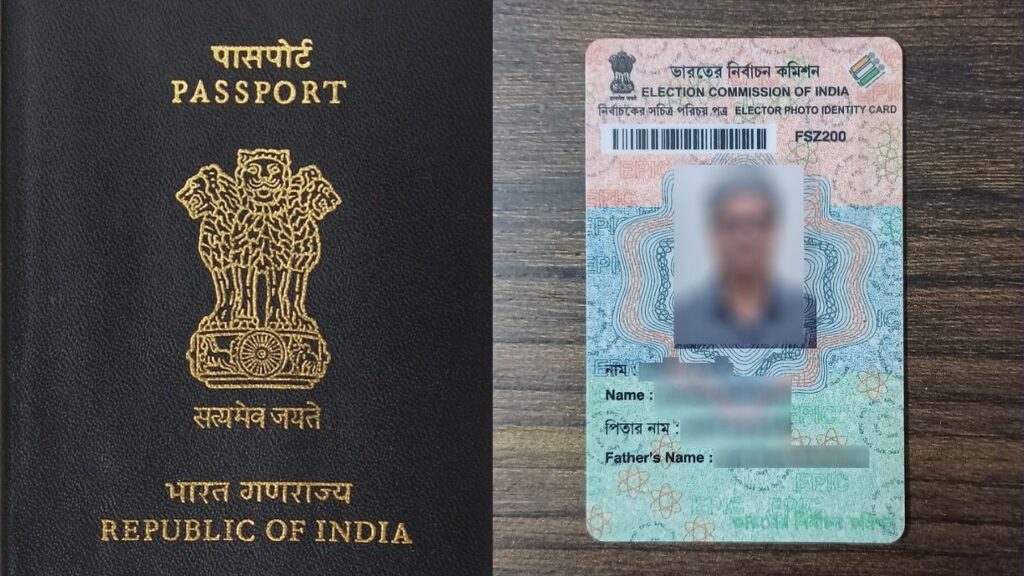
Only a few documents are legally valid to prove Indian citizenship. A passport is the most authentic proof, as it is issued by the Ministry of External Affairs and explicitly states citizenship. A birth certificate can also serve as proof of citizenship—provided the person was born in India. On the other hand, an Aadhaar card or PAN card are widely used for identification but are not accepted as proof of citizenship. So, when asked to verify citizenship, submit your passport or birth certificate.

Proof of Residence (Address)
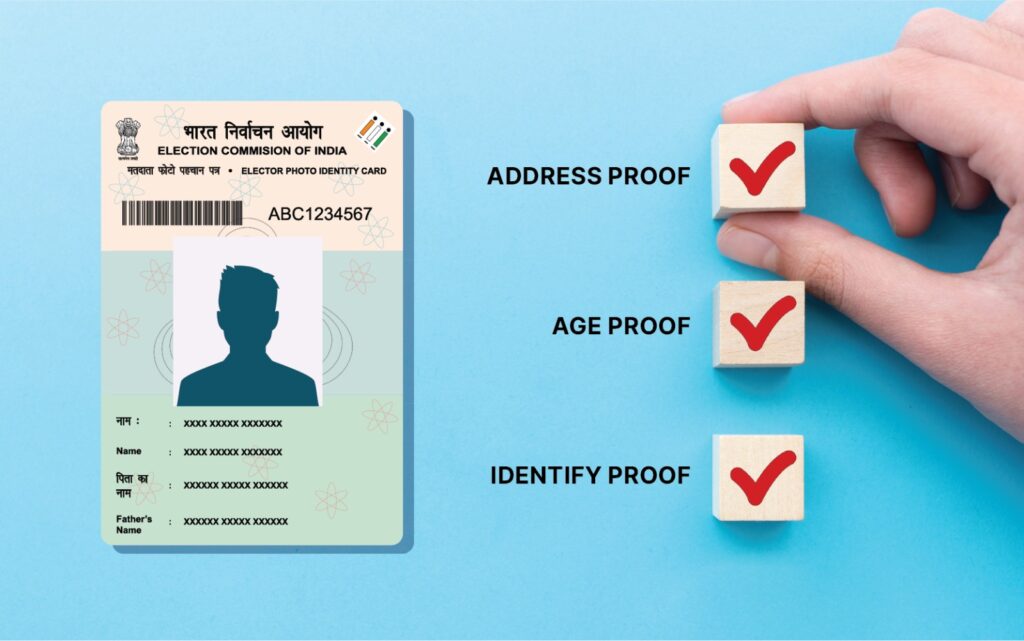
Several government-approved documents can serve as proof of residence. The Aadhaar card is the most commonly used and accepted nationwide. Other valid documents include electricity, water, or telephone bills, property tax receipts, or a rental agreement (if duly signed by both owner and tenant). The address mentioned on a passport or voter ID card is also accepted. Employees in government or private sectors can additionally use an official address certificate issued by their organization.
Proof of Date of Birth
A birth certificate remains the most authentic and official proof of date of birth, issued by municipal authorities or village councils. If it is unavailable, the Class 10 mark sheet or school leaving certificate can be used, as both include the date of birth. Many institutions also accept the date of birth listed on a passport or Aadhaar card. However, the PAN card does not mention the date of birth and hence is not valid for this purpose.
Understanding the correct purpose of each document ensures smooth verification in government offices, prevents confusion, and helps citizens maintain accurate personal records.