Dual Curse: Why Tulsi Is Not Used in Ganesha Worship — The Legend Behind the Belief
Dual Curse: Why Tulsi Is Not Used in Ganesha Worship — The Legend Behind the Belief
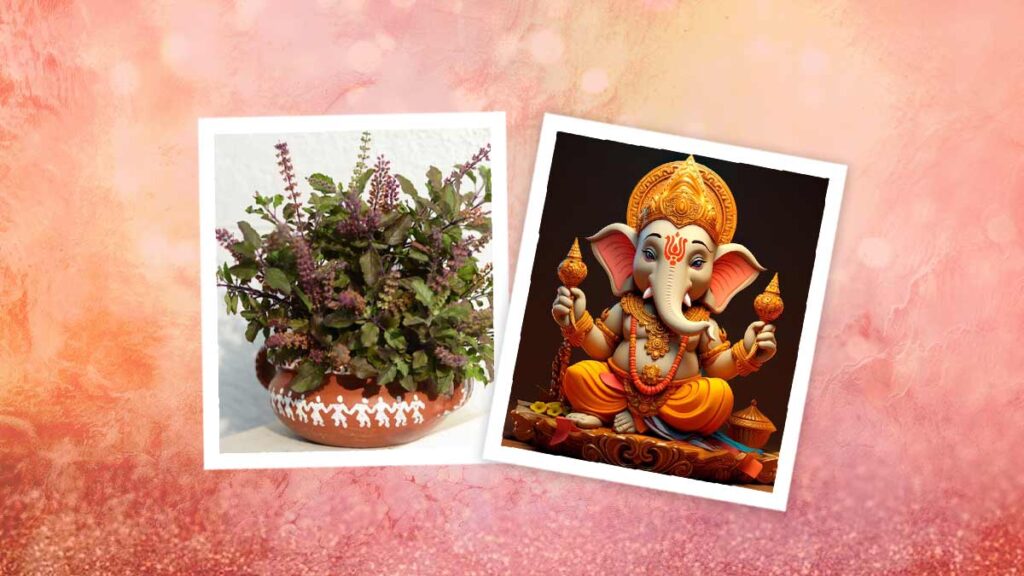
Tulsi Vivah will be celebrated on November 2, marking the end of Chaturmas and the awakening of Lord Vishnu. Despite Tulsi’s sacred status, it is never used in the worship of Lord Ganesha
Tulsi Vivah, the symbolic wedding of Goddess Tulsi and Lord Vishnu, will be celebrated on 2 November 2025. According to Hindu belief, this day marks the end of Chaturmas, the four holy months during which Lord Vishnu is believed to be in yogic sleep. Only after Lord Vishnu awakens do auspicious ceremonies such as weddings and religious functions begin. Tulsi, revered as a sacred and divine plant in Hinduism, becomes the focus of devotion during this festival.
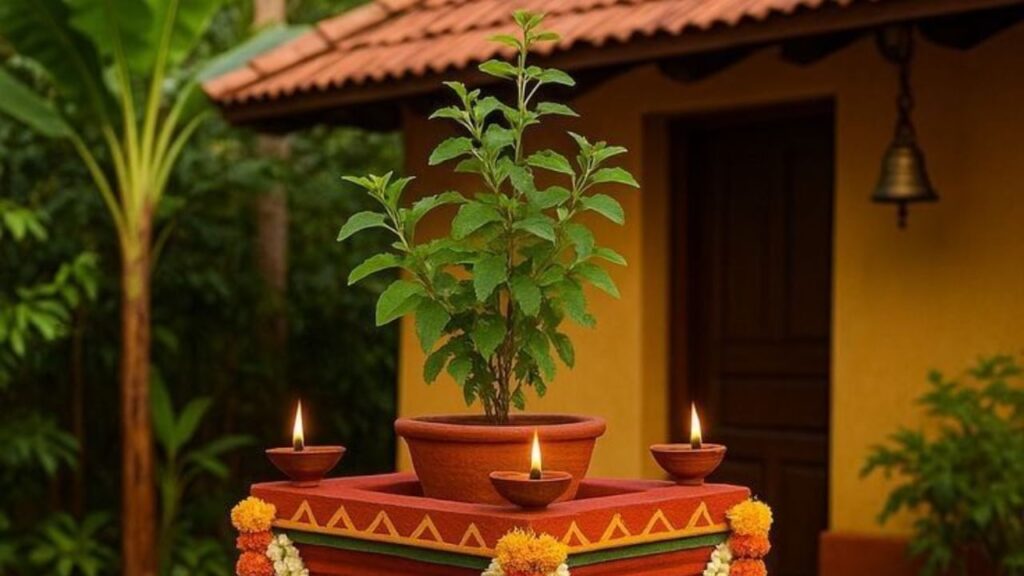
However, despite Tulsi’s sacred status, it is never used in the worship of Lord Ganesha. This tradition traces back to an ancient legend explaining the spiritual significance behind the belief.
The Mythological Story Behind the Tradition
According to the popular legend, Tulsi (considered the earthly form of Vrinda, the daughter of King Dharmatmaj) once saw Lord Ganesha performing penance on the banks of the River Ganga. Enchanted by his serene form—his body covered in sandalwood paste, adorned with a gem-studded garland, and seated on a divine throne, she expressed her desire to marry him.

Lord Ganesha, who had taken a vow of celibacy, refused her proposal. Tulsi felt deeply hurt and, in anger, cursed Ganesha that he would be married not once but twice. Accepting the curse, Ganesha in turn cursed Tulsi, saying she would marry a demon.
Later, Tulsi regretted her actions and asked for forgiveness. Lord Ganesha then softened the curse, declaring that she would marry the demon Shankhachurna (or Jalandhar, as per another version of the tale) but would ultimately take the form of a sacred plant on Earth. She would be worshipped in rituals, bring purity and salvation in Kaliyuga—but her leaves would never be offered during Ganesha’s puja.
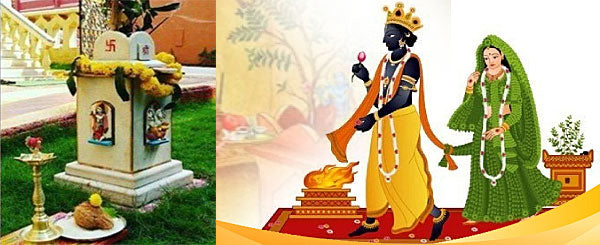
As a result, Tulsi became an essential part of worship dedicated to Lord Vishnu and his avatars, but remains excluded from Ganesha rituals to this day.
Spiritual Significance of Tulsi Vivah
Tulsi Vivah marks the ceremonial union of Tulsi and Lord Vishnu, often in the form of Shaligram. Devotees decorate the Tulsi plant like a bride and perform traditional wedding rituals. The festival symbolizes the harmony of devotion, purity, and divine grace.
Tulsi is regarded as the holiest plant in Hindu tradition. Her presence in homes and temples is believed to purify the surroundings and invite prosperity. Worship of Vishnu or Krishna is considered incomplete without offering Tulsi leaves.
Disclaimer: The above details are based on traditional beliefs and mythological references. Interpretations may vary according to region and personal faith.