From Brahmakamal to Neelakurinji: 10 Unique and Rare Flowers of India and the States Where They Bloom
From Brahmakamal to Neelakurinji: 10 Unique and Rare Flowers of India and the States Where They Bloom
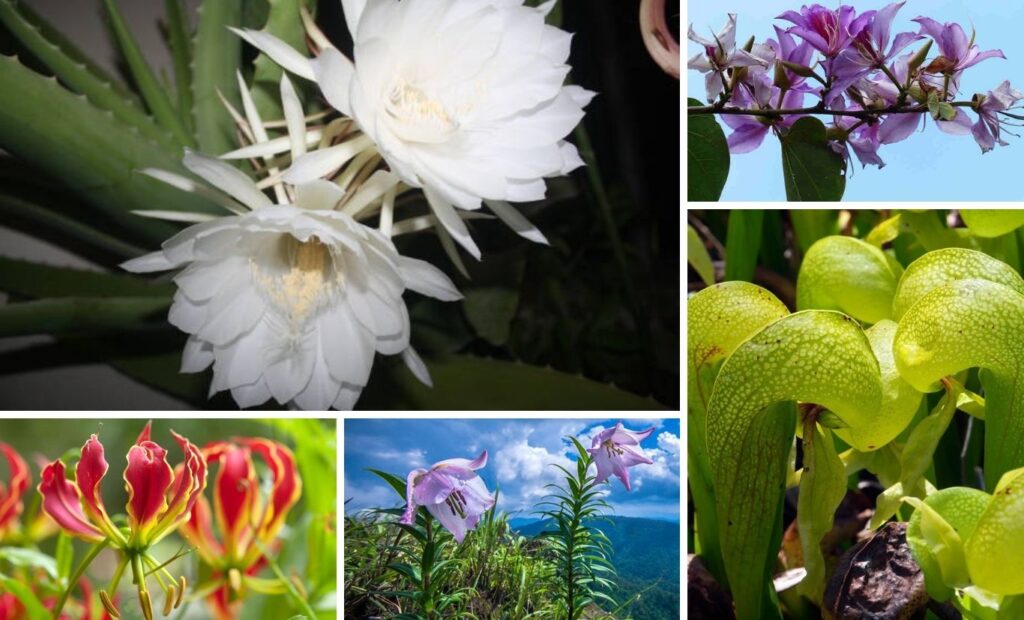
India, known for its diverse landscapes and rich biodiversity, is home to some of the world’s rarest and most beautiful flowers. These blossoms, often tied to cultural traditions and ecological significance, enhance the natural beauty of the country. Here’s a look at ten unique flowers and the states where they thrive.

1. Brahmakamal (Saussurea obvallata) – Uttarakhand
Known as the “King of Himalayan Flowers,” the Brahmakamal is a rare high-altitude bloom found in Uttarakhand, particularly in the Valley of Flowers. It holds deep spiritual significance in Hinduism and is commonly offered at temples like Kedarnath and Badrinath. This nocturnal flower, emitting a sweet fragrance, is also valued for its medicinal properties.
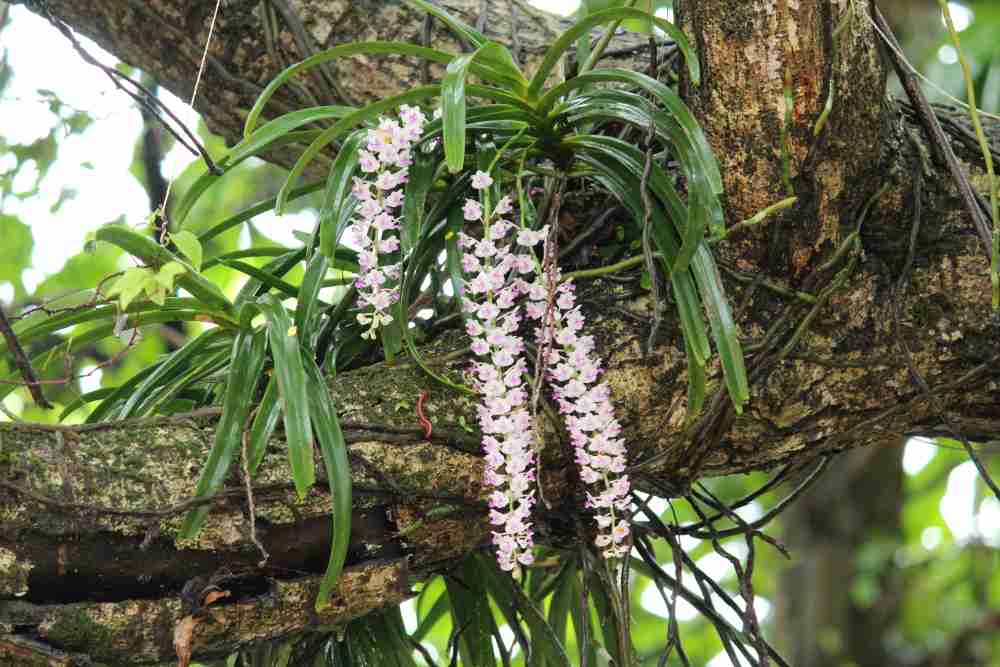
2. Foxtail Orchid (Rhynchostylis retusa) – Assam & Arunachal Pradesh
The Foxtail Orchid, the state flower of Assam, is admired for its cascading clusters of pink and white blossoms that resemble foxtails. Blooming during the monsoon season, it plays a vital role in Assamese culture, particularly during the Bihu festival. This delicate flower is also crucial to the local ecosystem, attracting pollinators such as bees and butterflies.

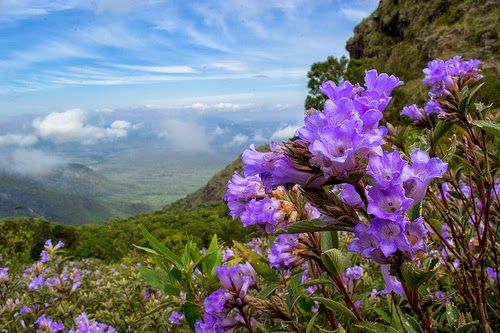
3. Neelakurinji (Strobilanthes kunthiana) – Kerala & Karnataka
The Neelakurinji is a spectacular flower that blooms once every twelve years, transforming the Nilgiri Hills into a breathtaking purple-blue landscape. Tourists flock to places like Munnar in Kerala to witness this rare phenomenon. Beyond its beauty, the flower is essential to the biodiversity of the Western Ghats, a UNESCO World Heritage site.

4. Parijat (Nyctanthes arbor-tristis) – Uttar Pradesh
The Parijat, also known as the “Night-flowering Jasmine,” is steeped in Hindu mythology. Legend says the flower descended from the heavens, adding to its mystical appeal. In Barabanki, Uttar Pradesh, a centuries-old Parijat tree is considered sacred. The flower’s fragrant petals bloom at night and are widely used in Ayurvedic medicine.

5. Siroi Lily (Lilium macklinae) – Manipur
The Siroi Lily, an exquisite pale-pink bloom, is exclusive to the Siroi Hills of Manipur. This rare flower blossoms only for a short period in summer and is celebrated annually at the Siroi Lily Festival. Due to its limited habitat, it has become a symbol of Manipur’s rich floral heritage.
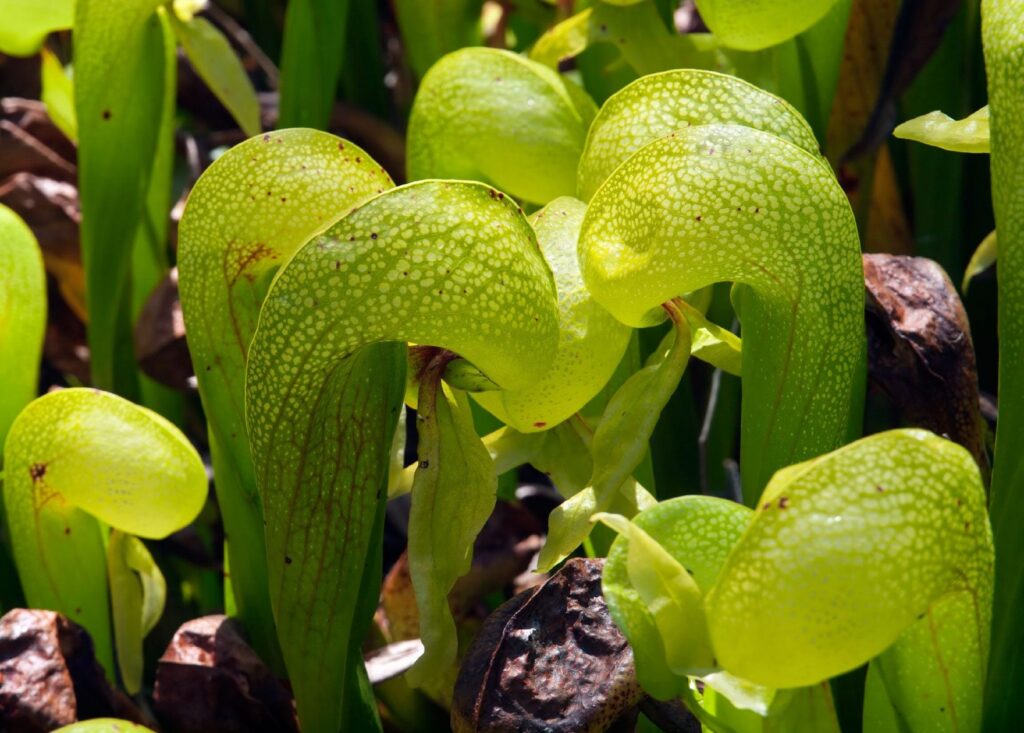
6. Cobra Lily (Arisaema tortuosum) – Western Ghats & Northeast India
Named for its resemblance to a cobra’s hood, the Cobra Lily is one of India’s most distinctive flowers. Found in the Western Ghats and Northeast India, this fascinating plant thrives in shaded, humid forests. Its unique shape and role in attracting pollinators make it a vital part of these regions’ ecosystems.
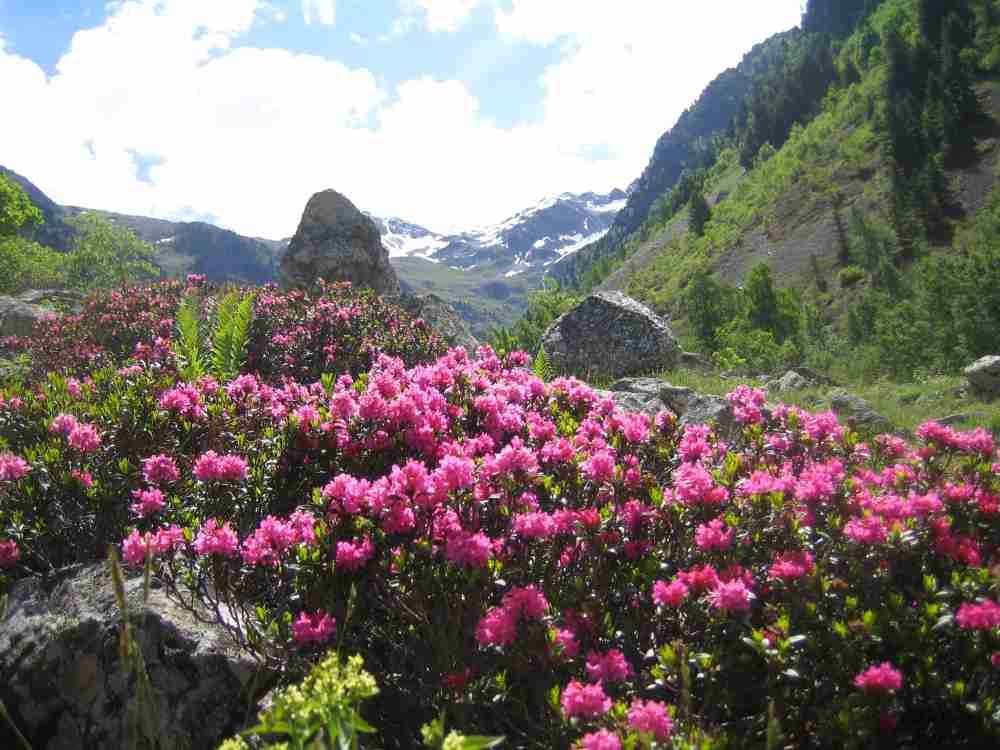
7. Rhododendron (Rhododendron arboreum) – Sikkim
During spring, the slopes of Sikkim, Arunachal Pradesh, and Uttarakhand burst into vibrant red hues as the Rhododendron blooms. Apart from its aesthetic appeal, it is used in making traditional wines and syrups and has medicinal applications for respiratory ailments. This flower is an integral part of the Himalayan biodiversity.

8. Flame Lily (Gloriosa superba) – Tamil Nadu
The Flame Lily, with its curling red-and-yellow petals, is the state flower of Tamil Nadu. Beyond its ornamental value, it holds cultural significance, symbolizing passion and beauty. Additionally, it is used in traditional medicine for its healing properties.
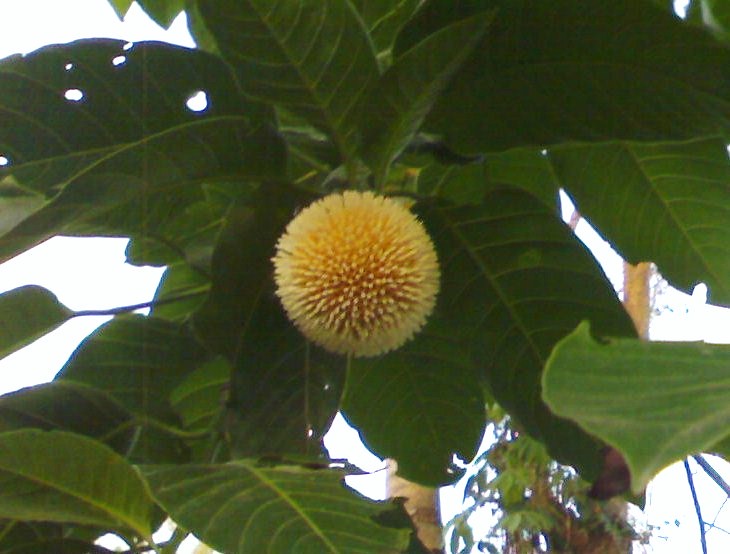
9. Kadamba (Neolamarckia cadamba) – Karnataka
The Kadamba tree, known for its fragrant flowers, is deeply embedded in Karnataka’s religious traditions. The blooms are used in temple rituals, and the tree’s bark and leaves have medicinal applications, treating ailments such as headaches and fevers. Historically, Kadamba trees were planted near temples as sacred symbols.

10. Kachnar (Bauhinia variegata) – Himachal Pradesh
The Kachnar, with its striking pink and purple blossoms, adorns the Himalayan foothills of Himachal Pradesh every spring. Apart from its visual appeal, the flower buds are a delicacy in North Indian cuisine, adding a unique flavor to dishes. The Kachnar tree is also known for its medicinal benefits, particularly in treating fever and indigestion.
India’s rare and unique flowers not only enhance its natural beauty but also hold deep cultural, medicinal, and ecological significance. These blooms, many of which are endangered or found in limited habitats, serve as a reminder of the need for conservation and sustainable practices to protect the country’s floral heritage.