Hantavirus Symptoms Often Look Like Flu at First, But the Infection Can Rapidly Damage Kidneys and Lungs
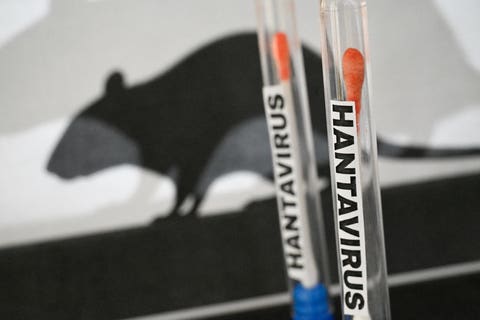
Hantavirus Symptoms Often Look Like Flu at First, But the Infection Can Rapidly Damage Kidneys and Lungs
Fever, body aches, weakness, nausea, and tiredness are symptoms many people usually connect with a common viral infection or seasonal flu. Because the warning signs feel so ordinary in the beginning, hantavirus infection can easily go unnoticed during its early stage. Yet in rare situations, this rodent-borne disease can quickly turn serious and begin affecting major organs such as the kidneys and lungs.
Health experts warn that delayed medical attention is one of the biggest dangers linked to hantavirus. Many patients ignore the early symptoms, assuming they will recover naturally, while the infection silently progresses inside the body.
How hantavirus spreads
Hantavirus is mainly linked to rodents and their waste. According to health authorities, people can become infected after coming into contact with contaminated rodent urine, saliva, or droppings. Infection may also happen when virus particles become airborne in dusty or poorly ventilated spaces like storage rooms, garages, sheds, attics, or abandoned buildings.

Though person-to-person spread is extremely uncommon in most hantavirus strains, the infection itself can still become severe once it enters the body.
Why kidneys are highly vulnerable during infection
The kidneys are among the first organs that may begin struggling during a severe hantavirus infection. These organs play a critical role in filtering waste, balancing fluids, and maintaining healthy mineral levels in the blood.
Doctors explain that the virus can inflame tiny blood vessels, making them leaky. Once this happens, fluid begins escaping into surrounding tissues instead of circulating normally through the body. As a result, kidney function can deteriorate rapidly.
Dr Kunal Raj Gandhi, Director of Nephrology at ShardaCare-Healthcity, says severe hantavirus infections may lead to reduced urine output, swelling, electrolyte imbalance, and even temporary kidney failure requiring dialysis support.
Some of the major warning signs linked to kidney involvement include:
- Reduced urination
- Swelling in the face, feet, or legs
- Electrolyte disturbances
- Build-up of toxins in the bloodstream
- Temporary kidney failure in severe cases
Medical studies supported by the US National Institutes of Health have also noted that hantavirus can trigger acute kidney injury by damaging blood vessel function and disrupting the immune system.
Lung complications can become life-threatening
Doctors say the lungs are often where hantavirus becomes especially dangerous. Certain patients develop Hantavirus Pulmonary Syndrome (HPS), a condition where fluid starts leaking into the lungs and interferes with normal breathing.
Symptoms may begin with simple fever and fatigue but can worsen rapidly within days. Patients may suddenly experience chest tightness, severe breathlessness, and dangerously low oxygen levels.
Health experts warn that severe lung involvement may require hospitalisation, oxygen therapy, intensive care monitoring, or ventilator support.
One of the most concerning aspects of hantavirus is how quickly a patient’s condition can decline. Someone who appears stable initially may suddenly become critically ill in a short period of time.
Early symptoms are easy to mistake for viral fever
Doctors repeatedly stress that early warning signs should never be ignored, especially after possible exposure to rodent-infested areas.
Common early symptoms include:
- Fever
- Muscle pain
- Headache
- Weakness and fatigue
- Nausea
- Stomach discomfort
Because these symptoms closely resemble common viral illnesses, many people delay medical evaluation until breathing problems or organ complications appear.
Hantavirus can affect multiple organs at once
Severe hantavirus infection does not always remain limited to the kidneys and lungs. Once inflammation spreads through blood vessels, multiple organs may come under stress.
Experts say the infection can affect blood circulation, lower blood pressure, and place strain on the heart. The liver may also show signs of inflammation in some patients.
Researchers have observed that severe cases may trigger a systemic inflammatory response, where the immune system itself contributes to tissue and organ damage. This is why doctors monitor suspected patients very closely, checking kidney function, oxygen levels, blood pressure, and overall organ health regularly.
No specific cure, but early care can save lives
Currently, there is no specific antiviral treatment routinely approved for hantavirus infection. Medical care mainly focuses on supportive treatment designed to prevent complications and support organ function.
Doctors say early hospital care can significantly improve recovery chances. Treatment may involve:
- Careful fluid management
- Monitoring kidney function
- Oxygen support for breathing difficulty
- Blood pressure management
- Intensive observation for organ complications
Dr Gandhi explains that timely supportive care, hydration, and regular monitoring play a major role in preventing the infection from becoming fatal.
Simple prevention steps can lower infection risk
Doctors and public health agencies continue to stress the importance of rodent control and safe cleaning practices to reduce exposure risk.
Experts recommend:
- Ventilating closed spaces before cleaning
- Wearing gloves and masks while handling rodent waste
- Avoiding dry sweeping of droppings
- Using disinfectants instead of stirring dust into the air
- Storing food in sealed containers
- Closing gaps or openings where rodents may enter homes
Maintaining hygiene in storage areas, garages, and rarely used spaces can greatly reduce the chances of exposure.
Hantavirus infections may be rare, but experts warn that their impact can become severe when symptoms are ignored. What begins like a simple fever can rapidly turn into a serious medical emergency affecting the kidneys, lungs, and other vital organs if treatment is delayed.
Disclaimer: This article is intended for general informational and educational purposes only and should not be considered medical advice, diagnosis, or treatment.