How Amol Balwadkar Transformed Baner–Balewadi’s Civic Infrastructure
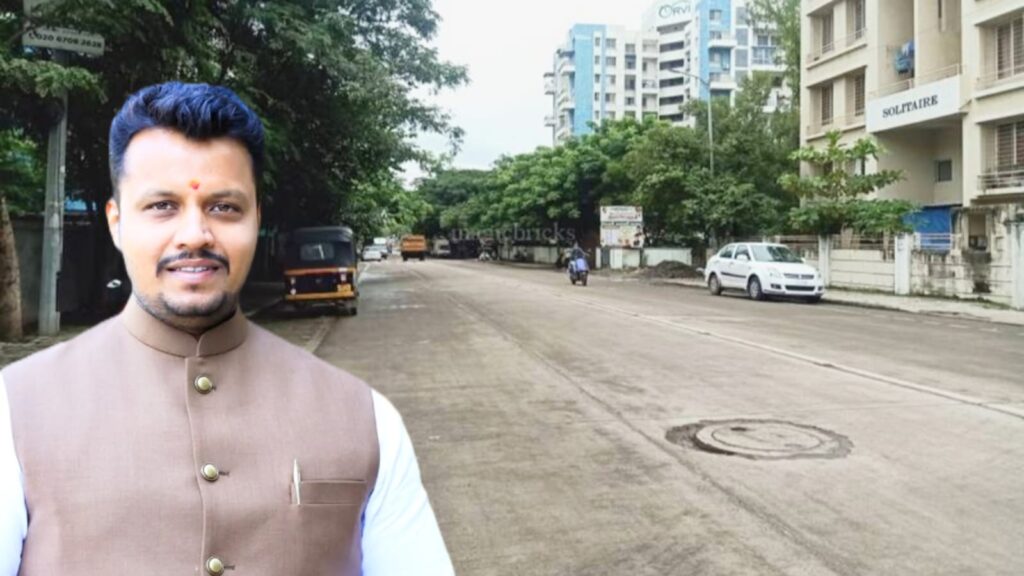
Baner–Balewadi | Pune: Over the past decade, Baner and Balewadi have witnessed a visible shift in civic infrastructure, moving from chronic basic service gaps to more responsive, planned urban development. At the center of this transformation has been sustained civic intervention led by , whose work as a corporator and public representative focused on addressing long-pending ground-level issues rather than headline-driven projects.
From Water Scarcity to Systematic Supply
One of the most critical challenges in Baner–Balewadi was irregular and insufficient water supply, especially as rapid real estate growth outpaced infrastructure. Balwadkar consistently raised the issue with the Pune Municipal Corporation, pushing for network upgrades, pressure regulation, and fair water distribution. His efforts also extended to legal and administrative follow-ups that ensured new development permissions were aligned with water availability.
Roads, Drainage, and Daily Commuter Relief
Residents long complained about broken internal roads, poor drainage, and repeated monsoon flooding. Under Balwadkar’s tenure, several internal roads were resurfaced, junctions redesigned, and stormwater lines upgraded to prevent waterlogging. These works directly benefited daily commuters, school children, and senior citizens, easing routine travel within Baner and Balewadi.

Quick Response to Civic Complaints
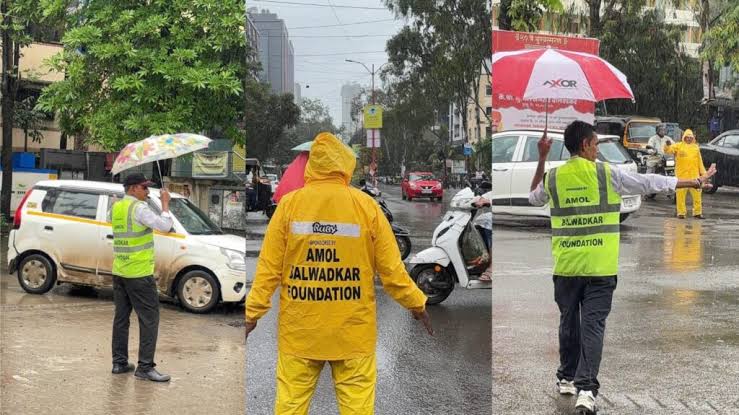
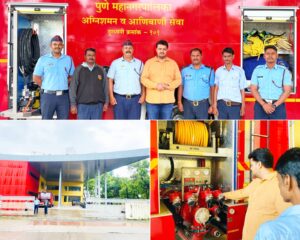
A notable aspect of his approach was the introduction of a rapid-response mechanism for civic issues. From fallen trees and open manholes to power failures and emergency repairs, complaints were addressed with quicker coordination between citizens and municipal departments. This reduced response time significantly and helped build trust between residents and civic authorities.
Focus on Livability, Not Just Expansion
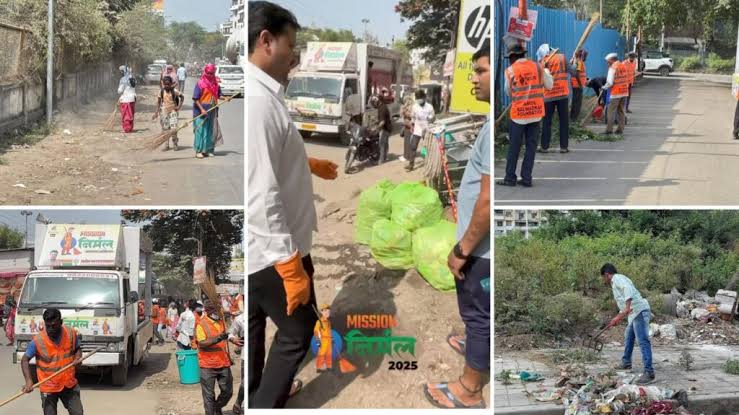
Beyond core utilities, Balwadkar emphasized livability. Footpaths were repaired, streetlights restored in dark stretches, and public spaces received basic upgrades. His interventions aimed to ensure that fast urban growth did not compromise safety, walkability, and quality of life.
A Model of Ground-Level Governance
While Baner–Balewadi continues to grow, many residents credit the steady improvement in civic conditions to consistent follow-up rather than one-time announcements. Observers note that Balwadkar’s work reflected a governance model rooted in accessibility, documentation of issues, and persistence within the system.

As Pune expands westward, Baner–Balewadi’s civic turnaround is often cited as an example of how sustained local leadership can convert citizen grievances into tangible infrastructure outcomes, shaping neighborhoods that function better on an everyday level.