How Much Cooking Oil Is Actually Healthy? The Answer Might Surprise You
How Much Cooking Oil Is Actually Healthy? The Answer Might Surprise You
The secret behind every delicious Indian meal isn’t just spices or recipes—it’s oil. The gentle sizzle of tempering, the glossy finish on vegetables, the irresistible crispiness of fried snacks—all of it depends on oil. Over time, however, our love for rich and tasty food has quietly pushed oil usage far beyond what our bodies truly need. While a little oil enhances flavor, too much of it can slowly harm our health without obvious warning signs.
Most of us focus on taste while cooking but rarely pause to think about how much oil we are consuming every day. This small habit, repeated daily, can make a big difference to our long-term well-being.
Why Excess Oil Can Be Harmful

There’s an old saying that perfectly fits here: excess of anything is harmful. Oil is no exception. While it helps improve taste and texture, overuse can act like a silent threat to your health. When oil consumption goes beyond safe limits, it increases unhealthy cholesterol levels in the body.
This “bad cholesterol” can settle inside blood vessels, narrowing them over time and significantly increasing the risk of heart attacks. People already dealing with high blood pressure or diabetes face even greater danger, as excess oil can worsen their condition. Weight gain is only the beginning—serious lifestyle diseases often follow.
Recommended Oil Intake Per Person
Health experts and nutritionists suggest that a healthy adult does not need more than 500 ml of oil in an entire month. On a daily basis, oil intake should ideally stay within 2 to 3 teaspoons. Anything beyond this is unnecessary and potentially harmful, even if the oil is considered “healthy.”
Oil Requirement for a Family of Four
For a household with four members, monthly oil consumption should not exceed 2 liters. Unfortunately, in many homes, oil usage ranges anywhere between 5 to 10 liters per month, which is far above safe levels.
Keeping oil consumption within recommended limits can significantly reduce the risk of future health problems. Controlling oil today can mean fewer medical issues tomorrow.
Daily Fried Foods: A Habit Worth Breaking
Regular consumption of fried foods like pakoras, vadas, and puris puts extra strain on the heart. If heart health matters to you, reducing the frequency of fried snacks is essential. Children and elderly family members should be given meals prepared with minimal oil, as their bodies are more sensitive to dietary excesses.
Whether you cook with sunflower oil, sesame oil, groundnut oil, or even pure ghee, the type matters less than the quantity. Any oil, when overused, stops being beneficial and starts causing damage.
Simple Ways to Cook with Less Oil
Reducing oil doesn’t mean sacrificing taste. Small changes in cooking habits can go a long way:
Choose non-stick cookware to prevent food from sticking without extra oil
Opt for steaming or boiling instead of deep frying whenever possible
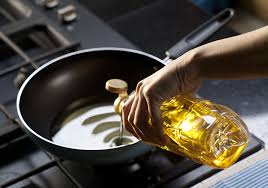
Measure oil using a spoon instead of pouring directly from the bottle
Heat oil properly before cooking, as hot oil reduces how much food absorbs
These practical steps help control oil intake without compromising on flavor.
Oil and ghee don’t need to be removed completely from your diet to stay healthy. What truly matters is balance and mindful use. Taste may last only a moment, but the effects of your food choices stay with your body for years. By keeping oil consumption under control, you invest in a healthier and more energetic future for yourself and your family.
Disclaimer: This article is intended for general informational purposes only.