Best Summer Safaris In India To Start Planning Your Wildlife Escape
Best Summer Safaris In India To Start Planning Your Wildlife Escape
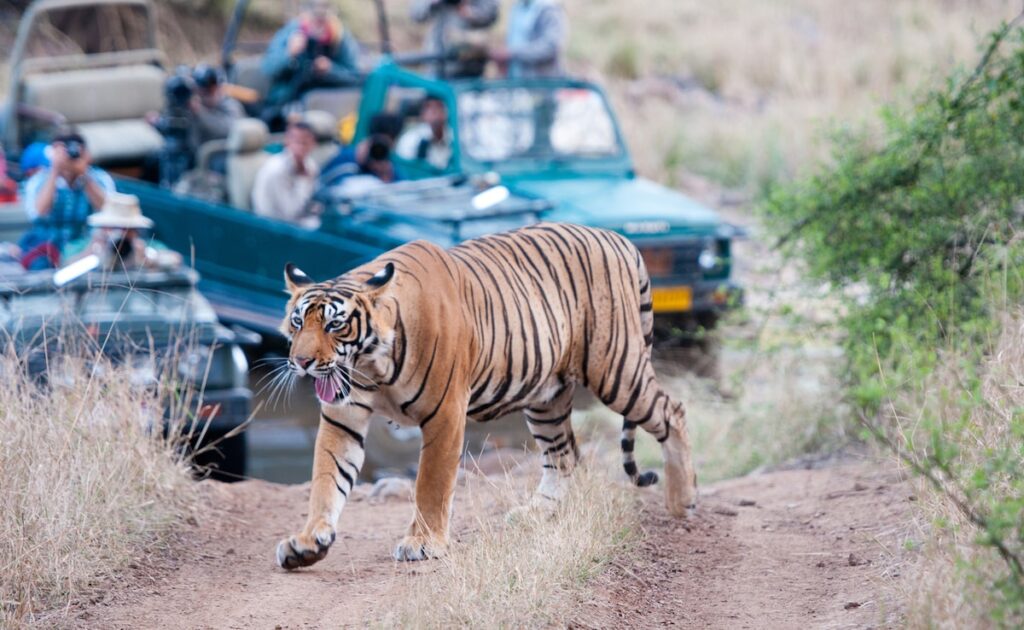
Summer holidays often trigger thoughts of hill stations and beach retreats, but for wildlife enthusiasts, the hottest months of the year unlock a very different kind of adventure. As temperatures climb and forests dry out, India’s national parks transform into prime landscapes for wildlife sightings. From March to June, animals are drawn out of dense vegetation in search of water, making summer one of the most rewarding seasons for jungle safaris.
Though the heat can be intense, the payoff is significant. Sparse foliage, shrinking water sources and increased animal movement create rare opportunities to witness predators and herbivores alike in their natural habitat. With careful planning and early bookings, summer safaris can offer some of the most unforgettable wildlife encounters India has to offer.
Why Summer Is One of the Best Seasons for Wildlife Safaris

While summer conditions are often harsh for travellers, they work in favour of wildlife viewing. As rivers and lakes begin to dry, animals are forced to gather around remaining waterholes, dramatically improving visibility. The thinning forest cover also makes it easier to spot wildlife that would otherwise stay hidden during greener months.
Early morning and late afternoon safaris are especially productive, when animals move cautiously through the heat in search of water and shade. However, summer is also peak safari season across many reserves. Limited permits, capped vehicle numbers and high demand mean that advance planning is essential, particularly during school holidays and weekends.
Top National Parks In India To Visit for a Summer Safari
1. Tadoba Andhari Tiger Reserve, Maharashtra
Known for consistent summer sightings, Tadoba is Maharashtra’s oldest and largest tiger reserve. Tigers are frequently seen near water bodies during hotter months. The park is also home to leopards, sloth bears, striped hyenas, dholes and marsh crocodiles, along with around 250 bird species.
How to reach:
By train: Chandrapur Railway Station (45 km)
By air: Nagpur Airport (140 km)
Safari permits are issued through the Maharashtra Forest Department’s online portal.
2. Ranthambore National Park, Rajasthan
Set against a dramatic backdrop of ancient forts and lakes, Ranthambore is one of India’s most iconic tiger reserves. Once a royal hunting ground, it now offers excellent chances of spotting tigers, leopards, sloth bears, sambar deer and marsh crocodiles.
How to reach:
By train: Sawai Madhopur Railway Station (10 km)
By air: Jaipur Airport (160 km)
Jeep and canter safaris are booked through the Rajasthan Forest Department website.
3. Kanha National Park, Madhya Pradesh
Located in the Maikal hills, Kanha is renowned for its successful conservation of the endangered barasingha. Expansive sal forests and grasslands support tigers, leopards, dholes, gaur, bears and over 300 bird species.
How to reach:
By train: Gondia Railway Station (145 km)
By air: Jabalpur (130 km) or Raipur (250 km)
Safari permits and zone details are available on the Madhya Pradesh Forest Department portal.
4. Bandhavgarh National Park, Madhya Pradesh
With one of the highest tiger densities in the country, Bandhavgarh is a favourite among wildlife photographers. Its rugged terrain of hills, valleys and open meadows is also home to leopards, sloth bears, deer and nearly 300 bird species.
How to reach:
By train: Umaria Railway Station (35 km)
By air: Jabalpur Airport (170 km)
Morning and evening jeep safaris can be booked online via the MP Forest Department.
5. Pench National Park, Madhya Pradesh–Maharashtra
Spanning two states, Pench features sal forests, open grasslands and rolling hills. Wildlife sightings include tigers, leopards, wild dogs, sloth bears, barking deer and four-horned antelope.
How to reach:
By air: Nagpur Airport (90 km)
By train: Nagpur Railway Station
Safari bookings are managed through the Madhya Pradesh Forest Department portal.
6. Jim Corbett National Park, Uttarakhand
India’s oldest national park, Corbett lies in the Himalayan foothills and boasts diverse terrain including sal forests, grasslands and river belts. The park shelters tigers, elephants, leopards, deer and bears, and is a major birdwatching destination with over 550 species recorded.
How to reach:
By train: Ramnagar Railway Station (12 km)
By air: Pantnagar Airport (80 km)
Safari permits are issued through the Uttarakhand Forest Department website, with zone-specific bookings.
7. Gir National Park, Gujarat
Gir is the only natural habitat of the Asiatic lion. Its dry deciduous forests and grasslands also support leopards, hyenas and several deer species. Summer improves visibility, particularly around water sources.
How to reach:
By train: Junagadh Railway Station (65 km)
By air: Keshod Airport (38 km) or Diu Airport (100 km)
All safari bookings are conducted through the Gujarat Forest Department’s official portal.
8. Kaziranga National Park, Assam
A UNESCO World Heritage Site, Kaziranga is famed for its population of one-horned rhinoceros. Its wetlands and tall grasslands also host elephants, tigers, swamp deer and over 500 bird species.
How to reach:
By train: Furkating Railway Station
By air: Jorhat Airport (97 km)
Jeep and elephant safaris are booked via the Assam Forest Department or authorised operators. The park usually closes from May to October due to monsoon flooding, making early summer the best time to visit.
Essential Tips for Planning a Summer Jungle Safari
• Research Your Destination
Each reserve has its own landscape, dominant species and safari patterns. Understanding zone layouts and seasonal movement helps set realistic expectations and improves sighting chances.
• Track Booking Windows
Safari permits are released months in advance. In Madhya Pradesh, bookings typically open around 120 days ahead, and peak summer slots sell out quickly. Early planning is crucial.
• Dress for the Jungle
Opt for neutral colours such as khaki, beige and olive. Light, breathable clothing with long sleeves offers protection from heat, dust and insects. A hat, sunscreen and sturdy footwear are essential.
• Prepare for Extreme Heat
Temperatures in reserves like Tadoba and Kanha can exceed 45°C. Stay hydrated, eat light before safaris and be mentally prepared for long hours in open vehicles.
• Respect Your Guide
Forest guides and drivers understand animal behaviour and park regulations. Following their instructions ensures safety, ethical wildlife viewing and better sightings.
• Keep Noise to a Minimum
Silence enhances the safari experience. Low voices, muted phones and minimal movement reduce disturbance and increase the chances of animal sightings.
• Pack Smart
Carry drinking water, sunglasses, basic medicines and insect repellent. Binoculars help with distant sightings, and cameras should be used responsibly without flash.