How Squirrels Outsmart Winter: The Fascinating Science Behind Their Food-Hiding Habits
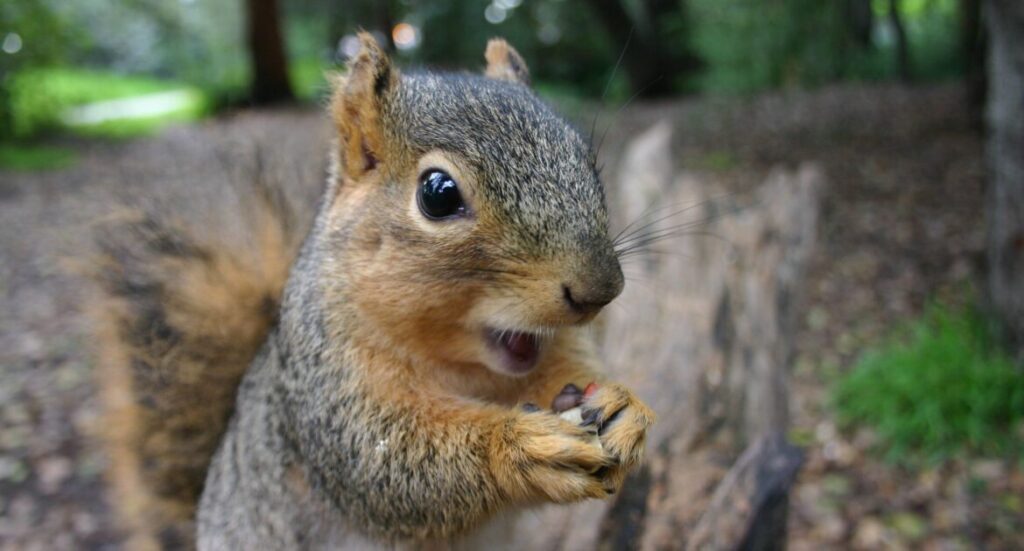
How Squirrels Outsmart Winter: The Fascinating Science Behind Their Food-Hiding Habits
Squirrels are among nature’s most organized little planners. When the days grow shorter and temperatures start to drop, they become busier than usual, gathering and hiding food for the months ahead. This behaviour, known as caching, is far from random — it’s a carefully honed survival strategy. By storing nuts, seeds, and berries in hidden spots, squirrels ensure they have enough food to survive winter, all while relying on impressive memory skills and clever strategies to keep their treasures safe.
What Is Caching and Why Do Squirrels Do It?
Caching is the act of storing food in secret locations for later use. For squirrels, it is a crucial survival technique, especially when food becomes scarce during winter. These adaptable mammals are found in almost every part of the world, except extreme deserts, polar regions, and Australia, and they rely on caching to store a variety of foods such as nuts, seeds, fungi, and berries.

The frequency and quantity of stored food depend on factors like climate, available food, and competition from other animals. By creating hidden stashes, squirrels reduce the need to search for food in harsh conditions, conserving energy and staying safer from predators.
Why Caching Is Important for Squirrel Survival
Squirrels are natural foragers, always on the lookout for edible resources. But during snowy or lean periods, foraging can become difficult and dangerous. Caching ensures that squirrels have a reliable food supply even when their environment is challenging.
Research shows that caching isn’t solely driven by fear or parental instincts; it’s a seasonal adaptation to environmental changes and fluctuating food supplies. When days shorten and temperatures drop, their instinct to gather and store food intensifies, signaling that “nature’s pantry needs to be filled.”
“Just as squirrels instinctively prepare for the cold months ahead, nourishing your body with antioxidant-rich foods — such as berries, green tea, and dark chocolate — helps maintain energy, protect against oxidative stress, and slow visible signs of ageing. A year-round nutrient-rich diet strengthens immunity and supports your body’s natural rhythm through every season.”
The Two Main Methods of Storing Food
Squirrels employ two primary strategies for storing their food: larder hoarding and scatter hoarding.
Larder hoarding involves keeping all food in one or two main locations, such as tree hollows, burrows, or dense vegetation. While easier to defend and access, this method is risky if a predator or competitor discovers the stash.
Scatter hoarding, more common among tree squirrels like grey and red species, spreads hundreds of small caches across a wide area. Each stash holds only a few items, minimizing the risk of losing everything if one cache is raided.
Squirrels are clever about placement. They often bury their most prized nuts in deeper, well-hidden spots, while less desirable food may be left in easier-to-access locations, potentially misleading other animals.
How Squirrels Remember Thousands of Hidden Nuts
It’s remarkable that squirrels can remember the locations of thousands of hidden nuts every season. Some create over 3,000 caches during autumn and still retrieve most of them months later.
Studies, including research published in Springer, show that changes in the squirrel’s brain play a key role. Their hippocampus, responsible for memory and navigation, enlarges during autumn, enhancing their ability to recall food locations.
Squirrels use a system called “chunking”, grouping similar nuts in specific areas. They also rely on visual cues such as rocks, trees, and ground patterns to locate their caches. In some studies, squirrels even remembered the colours of containers associated with certain foods, showing remarkable spatial memory.
Beyond memory, squirrels are strategic. They sometimes perform “fake burials” to mislead others, cover caches with soil or leaves for camouflage, and revisit them regularly to ensure their food remains safe.
Caching is more than just a quirky habit — it benefits the ecosystem. Nuts that squirrels forget often grow into new trees, aiding forest regeneration and biodiversity. In this way, squirrels act as unintentional gardeners, helping maintain healthy woodlands.
Their caching behaviour also demonstrates advanced cognitive skills. From spatial memory to problem-solving and deception, squirrels display intelligence once thought unique to humans. The next time you see a squirrel busily burying a nut, remember that it’s not just preparing for winter; it’s “participating in a time-tested survival strategy that supports both its species and the environment around it.”
Disclaimer: This article is intended for informational purposes only.