LPG Crisis: Restaurant Body NRAI Asks Eateries To Curtail Menus, Conserve Fuel
LPG Crisis: Restaurant Body NRAI Asks Eateries To Curtail Menus, Conserve Fuel
The industry body has advised restaurants to reduce gas-intensive dishes and explore electric cooking options as commercial LPG supply disruptions hit the sector.
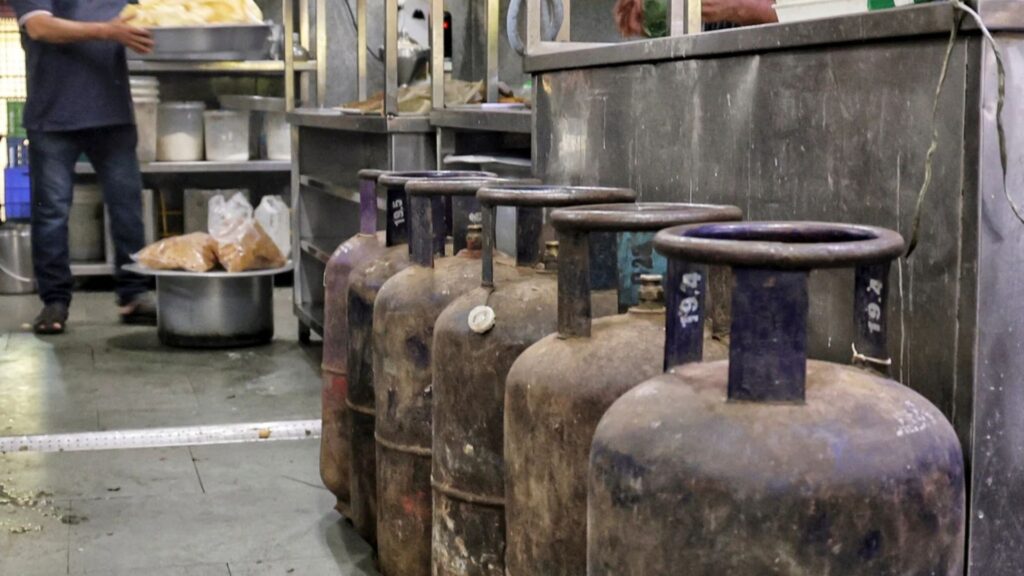
Amid an ongoing commercial LPG shortage in several parts of India, the National Restaurant Association of India (NRAI) has issued an advisory asking restaurants to rationalise menus and adopt fuel-saving measures to continue operations.
The advisory comes as supply disruptions linked to the ongoing conflict in West Asia have affected the availability of commercial LPG cylinders across the country, creating difficulties for restaurants and hotel kitchens.
In its guidance to members, the NRAI urged restaurants to prioritise dishes that require less cooking time and lower gas consumption. The association also recommended temporarily reducing or suspending items that require deep frying, slow cooking, long simmering, or multiple burners, which typically consume more LPG.

To further conserve fuel, restaurants have been advised to switch off pilot flames on gas ranges when not in use and streamline kitchen operations to minimise gas usage during non-peak hours by consolidating cooking and preparation schedules.
The association also suggested exploring alternative cooking technologies to reduce dependence on LPG. These include equipment such as induction cooktops, electric griddles, electric fryers, combi ovens, convection ovens, electric rice cookers and steamers, as well as infrared or electric salamanders.
According to the advisory, even partial use of electric cooking equipment can significantly reduce LPG consumption and help restaurants maintain operations during the supply crisis.
The NRAI, which represents more than 5 lakh restaurants across India, has also written to the Central government requesting continued support and stable supply of commercial LPG cylinders to the restaurant industry.
Industry stakeholders say the shortage has already forced many restaurants to alter menus and adopt temporary measures to save fuel and prevent kitchen shutdowns.
The association emphasised that these steps are necessary to protect business continuity, employment and the stability of the hospitality sector while the fuel supply situation remains uncertain.