Mobile Expiry Explained: When Should You Replace Your Smartphone?
Mobile Expiry Explained: When Should You Replace Your Smartphone?
No fixed expiry date, but performance, updates, and battery health decide when it’s time to upgrade
Many people believe that smartphones come with an “expiry date,” but in reality, there is no fixed deadline printed on your phone. What you will find is only the manufacturing date — how long the phone lasts depends largely on usage, maintenance, and software support.
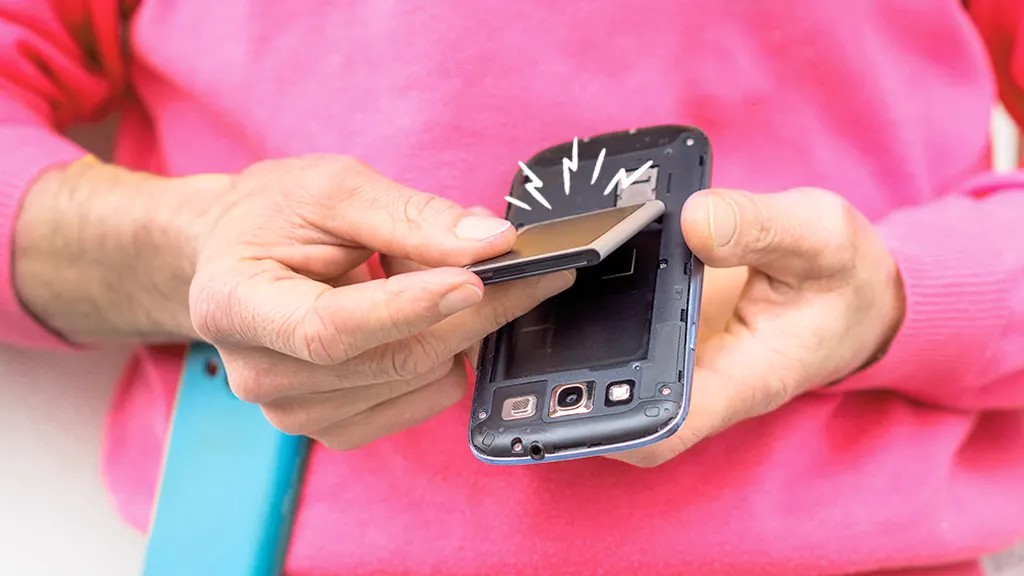
Typically, a smartphone performs well for about 3 to 4 years. After this period, users often start noticing issues like slower performance, faster battery drain, and apps not functioning smoothly. This natural decline happens due to wear and tear of hardware components and increasing demands of modern apps.
One of the most important factors is software updates. Most smartphone brands provide updates for around 3 to 5 years. These updates are not just about new features — they also include critical security patches. Once these updates stop, the phone becomes more vulnerable to security risks and is generally considered outdated.

Heavy usage can also shorten a phone’s lifespan. Continuous charging cycles, overheating, and extensive app usage can affect battery health and internal components, making the device less efficient over time.
So, when should you actually replace your phone? There are a few clear signs. If your phone becomes consistently slow, the battery doesn’t last even a few hours, apps crash frequently, or you stop receiving software updates, it may be time to consider a new device.
Another important aspect is how you dispose of your old phone. Smartphones contain harmful materials like lead, mercury, and arsenic, so they should never be thrown in regular household waste. Instead, users should opt for responsible methods like recycling through authorised e-waste centres, trading in old devices for discounts, or repurposing them for secondary uses such as music players or security cameras.
In simple terms, your phone doesn’t expire on a fixed date — but its performance, security, and usability determine when its time is up.