PNG vs LPG: Choosing the Right Cooking Gas for Your Home in India
PNG vs LPG: Choosing the Right Cooking Gas for Your Home in India
You know, households in India today have more options than ever when it comes to cooking fuel. Choosing the right one depends on your lifestyle, budget, convenience, and availability. Two major options dominate kitchens across the country: Piped Natural Gas (PNG) and Liquefied Petroleum Gas (LPG). Here’s a detailed look to help you decide which one fits your home best.
What is PNG?
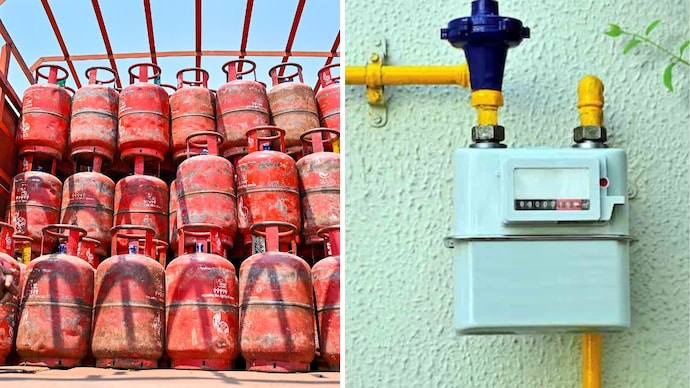
Piped Natural Gas (PNG) is mainly made of methane and delivered directly to homes through underground pipelines, much like water. This continuous supply means you don’t have to worry about booking or replacing cylinders, making it highly convenient for daily cooking.
What is LPG?
LPG, familiar to most Indian households, is a fuel created by compressing gases like propane and butane into liquid form. It is stored in cylinders and delivered to homes, making it portable and useful even in rural areas where pipeline infrastructure is not available.

Safety Comparison: PNG vs LPG
PNG: Being lighter than air, PNG disperses quickly if there’s a leak, reducing the risk of accumulation and fire hazards. This makes it inherently safer in enclosed spaces.
LPG: Heavier than air, LPG can settle in low-lying areas if it leaks, increasing the fire risk. Proper handling and regular safety checks are essential for households using LPG.
Cost and Financial Considerations
PNG: Users are billed based on consumption, similar to electricity or water. While the initial setup cost for a PNG connection may be higher, monthly bills are generally more stable and predictable, making financial planning easier.
LPG: Paid per cylinder, LPG prices fluctuate according to international crude oil rates since India imports a significant portion. This can lead to variable monthly costs for households.
Convenience and Daily Use
PNG: Offers the ease of never running out of gas unexpectedly and eliminates the need to manage cylinder deliveries. Urban households especially benefit from this continuous supply.
LPG: Highly portable and flexible, LPG can be used anywhere, including areas where pipelines are not yet installed. Its portability also makes it a favorite for rural or semi-urban homes.
Environmental and Sustainability Impact
PNG: Burns cleaner than LPG, producing fewer emissions. The government is promoting PNG as part of efforts to reduce dependence on imported fuels and improve urban air quality.
LPG: While cleaner than traditional fuels like firewood or coal, LPG still contributes to greenhouse gas emissions. Its reliance on imports makes it less sustainable compared to locally supplied PNG.
The Future of Cooking Fuel in India
Urban India is increasingly shifting toward PNG as cities expand their pipeline networks. It offers convenience, safety, and price stability, fitting well into a vision of a secure and efficient energy system. However, LPG will continue to play a vital role, particularly in areas where pipelines have not reached. Its portability and widespread availability ensure it remains essential for millions of households across the country.