Pollution Crisis Grips Major Maharashtra Cities as AQI Reaches Hazardous Levels
Pollution Crisis Grips Major Maharashtra Cities as AQI Reaches Hazardous Levels
Rising temperatures, stagnant winds, and Diwali firecrackers worsen air quality across Mumbai, Pune, Nagpur
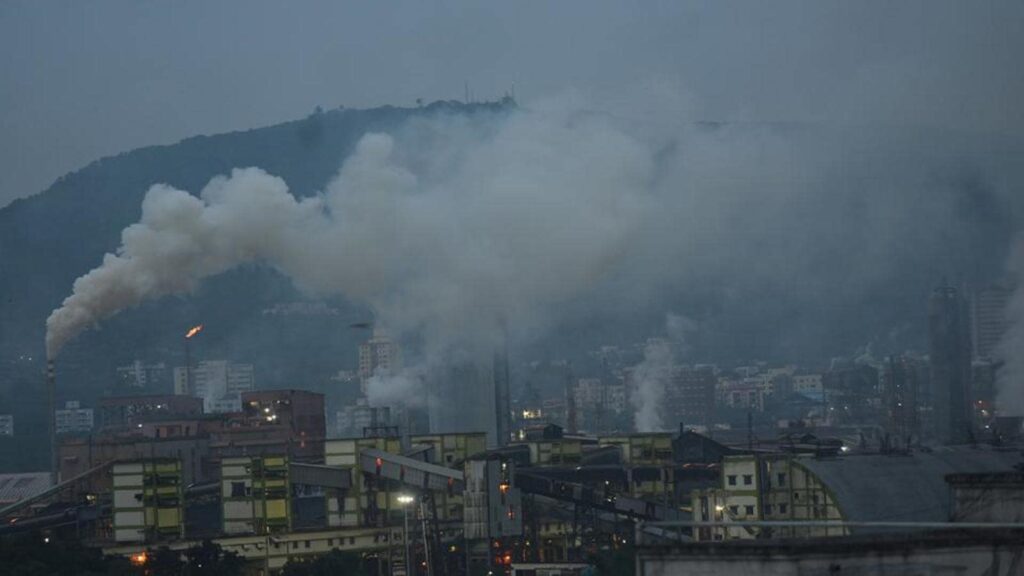
Air pollution has severely affected major cities across Maharashtra, including Mumbai, Pune, and Nagpur, with air quality levels slipping into dangerous categories. A combination of rising temperatures, low wind speeds, ongoing construction, and firecracker emissions during Diwali celebrations has led to deteriorating air quality.
On Sunday morning, Mumbai and Nagpur reported moderate air quality levels. However, certain areas like Bandra-Kurla Complex (BKC) saw AQI levels exceed 300, falling in the “very poor” category. In Pune and Pimpri-Chinchwad, air quality worsened significantly, with Pune’s Wakad (Bhumkar Chowk) recording an AQI of 305 in the afternoon.
Nagpur, where the AQI typically remains below 100, saw levels cross 200, indicating poor to very poor conditions. Experts warn that the situation may worsen in the next few days due to increased firecracker usage during the festive season.

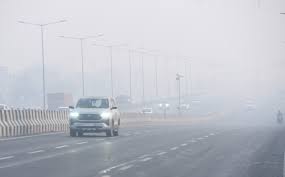
Meanwhile, temperatures above 35°C have added to the discomfort of residents who were anticipating cooler “pink winter” conditions during Diwali.
Key AQI Levels Recorded (Sunday):
| City/Location | AQI | Category |
|---|---|---|
| Mumbai – BKC | 301 | Very Poor |
| Mumbai – Colaba | 244 | Poor |
| Mumbai – Deonar | 207 | Poor |
| Pune – Wakad (Bhumkar) | 305 | Very Poor |
| Pune – Shivajinagar | 244 | Poor |
| Pune – Pashan-Panchvati | 121 | Moderate |
| Pune University | 116 | Moderate |
Nagpur – Wadi | 211 | Poor |
| Nagpur – Babulkheda | 175 | Moderate |
| Nagpur – Civil Lines | 167 | Moderate |
What’s Causing the Pollution Surge?
- Post-monsoon weather changes have slowed wind speeds, preventing pollutants from dispersing.
- Firecracker smoke during Diwali is adding to the existing pollution load.
- Large-scale construction projects are generating high levels of dust.
- Vehicle emissions and industrial activities are contributing to smog formation.
- Rising temperatures and evaporation are keeping fine particles suspended in the air.
AQI Categories (as per CPCB):
- 0–50: Good
- 51–100: Satisfactory
- 101–200: Moderate
- 201–300: Poor/Bad
- 301–400: Very Poor/Very Bad
- 400+: Severe/Extremely Dangerous
Health Advisory:
Authorities advise citizens, especially children, the elderly, and those with respiratory illnesses, to avoid outdoor activities during early mornings and evenings when pollution levels are highest. Masks, air purifiers, and staying indoors are recommended precautions.