Remote Or Switch? Experts Explain The Right Way To Turn Off Your AC
Remote Or Switch? Experts Explain The Right Way To Turn Off Your AC
Many households switch off their air conditioners differently, but experts say the method used can affect performance, appliance life and even electricity consumption.
As summer temperatures continue to rise, air conditioners have become an essential part of daily life in many homes. However, a common question among users is whether an AC should be turned off using the remote control or by directly switching off the main power supply.

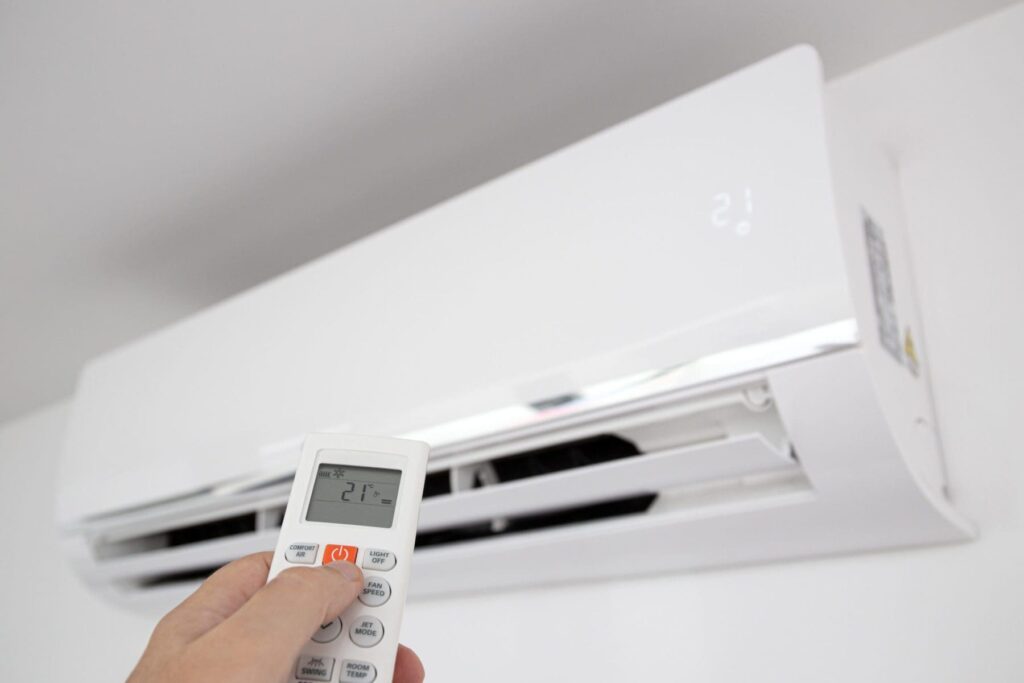
According to experts, using the remote control first is generally considered the better option. When an AC is turned off through the remote, the system does not shut down abruptly. Instead, it completes its internal operating cycle gradually, allowing components such as the compressor and fan system to stop in a controlled manner. This helps reduce sudden stress on the machine and may contribute to better long-term performance.
Another advantage is that most modern air conditioners save the user’s preferred settings, including temperature, cooling mode and fan speed. When the AC is switched on again, these settings remain unchanged, making operation more convenient.

Experts also note that when an AC is turned off with the remote, it enters a standby mode rather than shutting down completely. During this period, the appliance continues to consume a very small amount of electricity. However, the power consumption is minimal and more than 95 per cent of electricity usage effectively stops once the unit is switched off through the remote.
The impact on the electricity bill is also relatively small. Even if the main switch remains on for an entire month, standby consumption may amount to only one or two units of electricity, adding roughly ₹10 to ₹20 to the monthly bill.
There are situations, however, where switching off the main power supply is advisable. If a home experiences frequent voltage fluctuations or there is a risk of thunderstorms, heavy rain or electrical surges, keeping the main switch off can help protect the appliance.
Experts recommend that users who are leaving home for several hours, travelling for a few days or heading to work for an extended period should switch off the AC completely at the main power source after first turning it off through the remote. This can provide additional protection and eliminate even the small amount of standby power consumption.
The guidance suggests that for daily use, switching off the AC with the remote is the preferred method, while the main switch can be used as an additional safety measure during long absences or adverse weather conditions. Proper usage not only helps maintain the appliance but can also contribute to efficient energy management in the long run.
Disclaimer: Electricity consumption and appliance performance may vary depending on the AC model, usage patterns and electrical conditions. Users should follow manufacturer guidelines for their specific appliance.