What Your Nail Colour And Shape Say About Your Health
What Your Nail Colour And Shape Say About Your Health
Dermatologists say changes in nails can offer early clues to problems linked to nutrition, infections, and internal organs
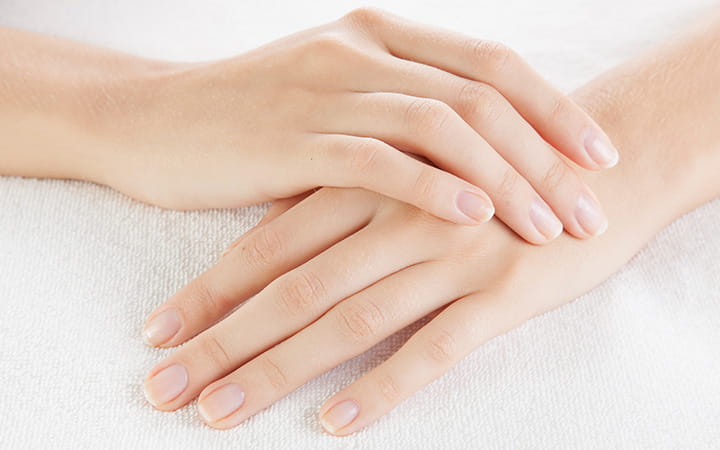
Nails are often treated as a cosmetic concern, but doctors say they can quietly reflect what is happening inside the body. Changes in nail colour, texture, thickness or shape may sometimes act as early warning signs of health issues — long before other symptoms appear.
Experts point out that nail changes do not always mean serious illness. In many cases, they are temporary or related to ageing, weather, or lifestyle. Still, persistent or unusual changes should never be ignored.
One of the first things doctors observe is nail colour. Bluish or purplish nails may indicate poor blood circulation or low oxygen levels in the blood. This can occur during asthma attacks, in people with chronic lung conditions such as COPD, or in certain heart problems. Cold temperatures can also cause a temporary bluish tint, but if the colour persists even in warm conditions, medical evaluation is advised.

White nails or white patches can have multiple causes. Harmless white spots, known as leukonychia, are common and usually caused by minor trauma to the nail. However, nails turning largely white may sometimes be linked to fungal infections, psoriasis, pneumonia, heart disease, or nutritional deficiencies such as low protein intake. Doctors usually recommend blood tests to identify the underlying cause.
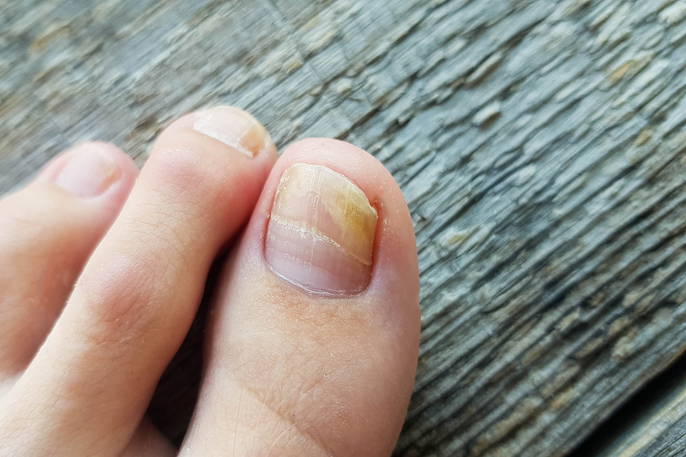
Yellowing of nails is another frequent concern. In many people, this happens due to ageing or smoking, especially affecting the thumb and index finger. However, yellow, thickened nails may also signal fungal infections. In more severe or persistent cases, yellow nails have been associated with conditions such as psoriasis, kidney disease, HIV, or chronic respiratory disorders.
Nail shape also matters. Spoon-shaped nails, medically known as koilonychia often point to iron deficiency anaemia. These nails dip inward instead of growing flat and may feel unusually thin. Doctors say restoring iron levels through diet or supplements can gradually improve nail shape.
Vertical ridges running along the length of the nail are usually harmless and common with ageing. But when ridges are deep or appear alongside pale, brittle nails, they may indicate iron deficiency or nutritional imbalance. Because these changes develop slowly, people often overlook them.
Brittle or easily breaking nails may be linked to frequent exposure to chemicals, detergents, or excessive handwashing. They can also indicate deficiencies of protein, biotin (vitamin B7), vitamin B12, or other B vitamins. Doctors often advise moisturising treatments and dietary corrections rather than cosmetic fixes.
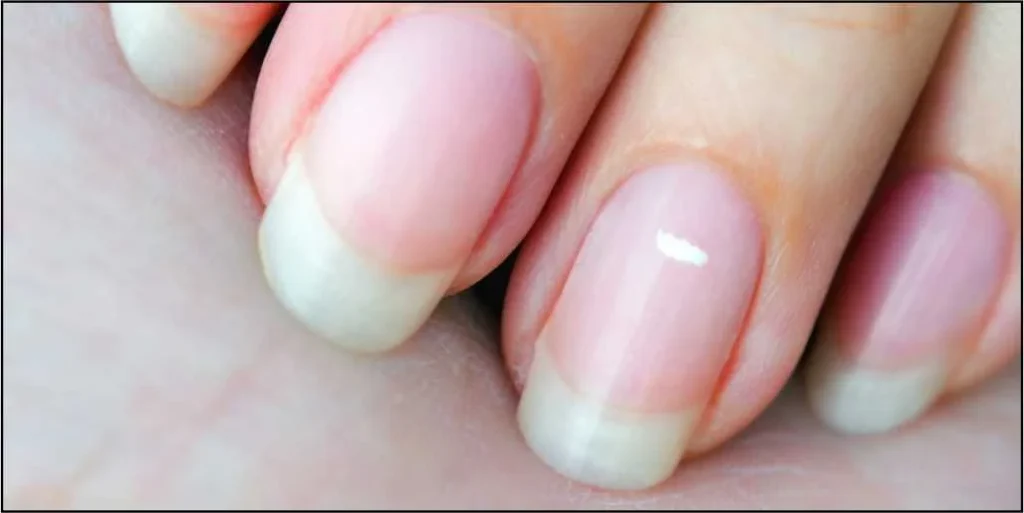
Small pits or dents on the nail surface, sometimes called “pitting,” may be associated with skin conditions such as psoriasis, eczema, or alopecia areata. In rare cases, visible white spots combined with hair loss may require further investigation.
Horizontal lines across the nails, known as Beau’s lines, usually appear after severe illness, high fever, or chemotherapy. However, dark horizontal lines affecting a single nail may require urgent evaluation, as they can rarely indicate melanoma, a serious form of skin cancer.
Doctors emphasise that nail changes should be viewed as signals, not diagnoses. When unusual changes persist, dermatologists may recommend blood tests, fungal testing, or, in rare cases, a biopsy to rule out serious conditions.
The key message from experts is simple: nails deserve attention beyond grooming. Observing changes early and seeking medical advice when needed can help identify health issues at a stage when treatment is most effective.
Disclaimer: This article is for general informational purposes only and does not replace professional medical advice. Always consult a qualified doctor or dermatologist for diagnosis and treatment.