Why Closing the Toilet Lid Before Flushing Isn’t Enough: Essential Bathroom Hygiene Habits You Should Know
Why Closing the Toilet Lid Before Flushing Isn’t Enough: Essential Bathroom Hygiene Habits You Should Know
We often associate cleanliness with what we can see—sparkling floors, tidy countertops, and a fresh-smelling home. But one of the most important spaces for maintaining health is the bathroom, and it’s also the easiest to overlook. The way we use and maintain our toilet can quietly impact our well-being more than we realize.
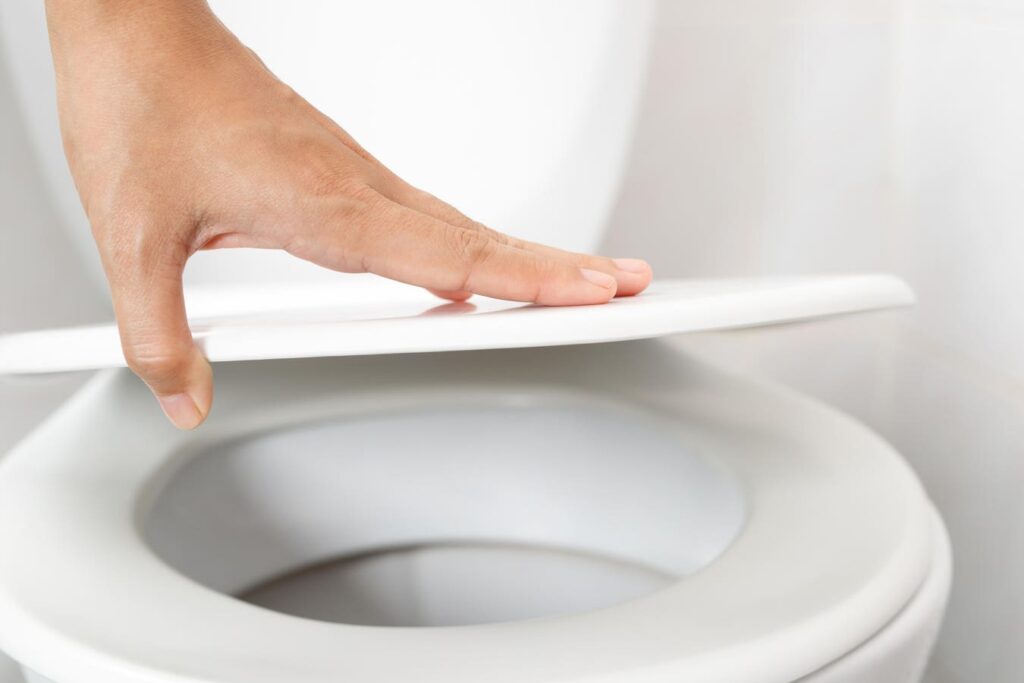
A simple habit—like whether you close the toilet lid before flushing—might seem insignificant, even amusing to think about. However, this small action is tied to a larger hygiene concern that affects the spread of germs in your home.
What happens when you flush?
Every time you flush the toilet, a powerful rush of water creates a fine mist of microscopic droplets that are released into the air. This phenomenon is known as a “toilet plume.” These tiny airborne particles can carry harmful bacteria such as E. coli, which are invisible but capable of causing illness.

Does closing the lid solve the problem?
It’s commonly believed that shutting the lid before flushing prevents germs from spreading. While it does help reduce exposure to some extent, research published in the Journal of the American Academy of Pediatrics suggests that it may not be a complete solution.
The reason is simple: even with the lid closed, tiny particles can escape through the small gaps between the seat and the lid. These particles can linger in the air for up to six hours and eventually settle on various surfaces in your bathroom—walls, sinks, faucets, and even personal items like toothbrushes. As a result, the risk of contamination and infection remains nearly the same whether the lid is open or closed.
Practical steps to maintain a hygienic bathroom
Instead of relying solely on closing the lid, it’s important to adopt a more comprehensive cleaning routine:
- Clean regularly: Make it a habit to deep-clean your toilet at least once a week. If someone in the household is unwell, increase the frequency to daily cleaning to minimize the spread of germs.
- Use disinfectants: Applying a disinfectant after flushing can significantly reduce bacterial presence and help maintain a safer environment.
- Pick effective cleaning products: Cleaners that contain bleach are particularly effective for sanitizing toilet surfaces. Using a long-handled toilet brush can also help keep your hands at a safe distance from contaminants.
Don’t overlook the rest of the bathroom
Maintaining hygiene isn’t limited to the toilet bowl. Areas like the sink, taps, mirrors, cabinets, and even shower curtains can accumulate germs over time. Additionally, the toilet brush itself should be cleaned thoroughly after each use—preferably with a bleach solution—to prevent it from becoming a source of bacteria.