Why We Join Our Hands in Greeting: The Deeper Story Behind India’s Timeless ‘Namaste’
Why We Join Our Hands in Greeting: The Deeper Story Behind India’s Timeless ‘Namaste’
Many of our daily habits are so familiar that we barely stop to wonder about them. One such gesture is folding both hands together and saying “Namaste.” This simple act happens almost automatically—whether someone greets an elder, meets a respected person, begins a conversation, or stands in front of a deity. It feels natural, effortless, and deeply rooted in who we are. Yet very few people actually pause and ask: Why do we join both hands? Where did this tradition begin? And what makes it so meaningful that it continues unchanged for thousands of years?
What seems like a small gesture is, in truth, a wonderful blend of cultural wisdom, spiritual symbolism, scientific reasoning, and emotional depth. Exploring it reveals just how thoughtfully our ancestors shaped the practices we carry forward today.
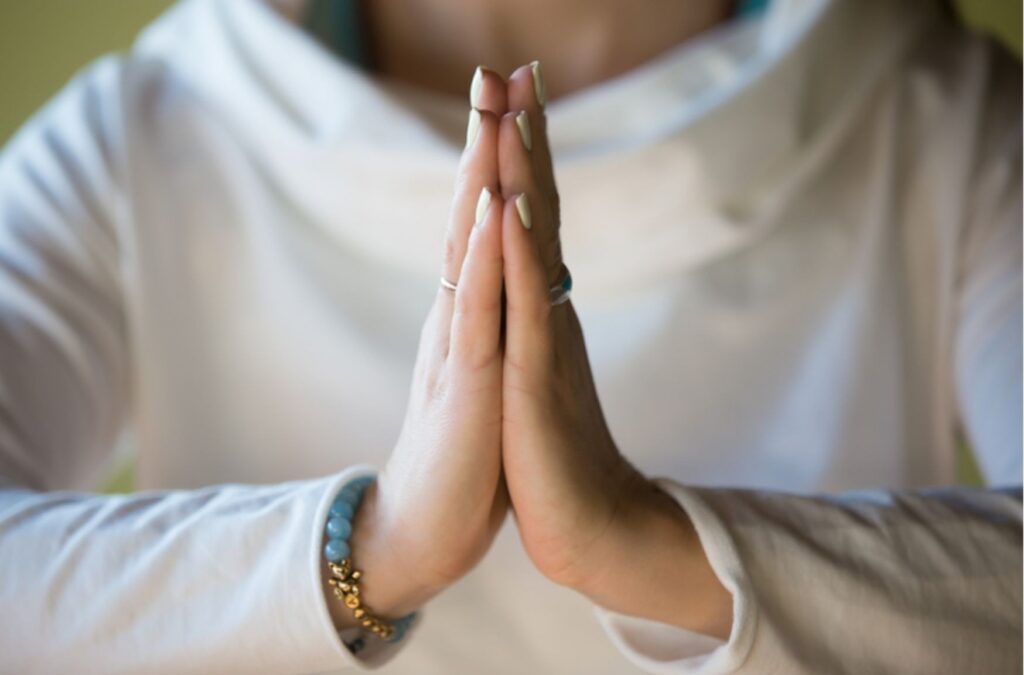
Far back in India’s early civilizations, the gesture of Anjali Mudra—folding the hands together—became a respectful way to acknowledge another person’s presence. Texts like the Vedas, Upanishads, and other ancient scriptures describe this gesture not just as a greeting but as an expression of humility and equality. The Sanskrit word “Namah” translates to “I bow before you with reverence,” emphasising respect rather than superiority or submission.

Over thousands of years, the practice traveled through spiritual paths, royal courts, community gatherings, and eventually reached every level of society. Multiple Indian traditions—Hindu, Buddhist, Jain, and Sikh—adopted this gesture for its deep cultural value. This made Namaste a unifying symbol that rose above boundaries of language, religion, and region.
Spiritual Meaning Hidden in the Gesture
Indian culture rarely separates physical actions from deeper thought. Namaste is a perfect example. Each hand has five fingers, representing the five natural elements—earth, fire, light/energy, air, and space. Bringing both hands together symbolizes alignment and harmony between these elements.
This act is believed to calm the mind, bring clarity, and support emotional balance. That’s why yoga and meditation practitioners often begin their practice with Anjali Mudra. It helps activate the body’s internal energy centers, grounding the person and encouraging mindfulness.
A Scientifically Sensible Greeting
Long before modern hygiene standards came into existence, Namaste already served as a naturally safe alternative to physical contact. Handshakes involve direct touch, which increases the risk of transmitting germs or infections. In contrast, the Namaskar maintains respect without any physical contact.

During the COVID-19 pandemic, this age-old Indian greeting caught global attention. Leaders from several countries chose to greet others by folding their hands, proving that ancient wisdom can still offer solutions to modern problems.
A Gesture That Speaks More Than Words
Namaste is one of the few gestures that can express multiple emotions with the same simple movement. It can mean:
Respect
Gratitude
Apology
Devotion
Politeness
A warm beginning to a conversation
It connects people without invading personal space, and it carries humility without requiring explanation. This versatility makes it one of the most graceful and meaningful social gestures in the world.
The Namaste is more than a greeting; it is a thoughtful, symbolic, and practical expression of respect. It carries thousands of years of cultural identity, spiritual understanding, and social wisdom. What makes it truly timeless is its ability to convey warmth and humility without a single spoken word. As the world continues to seek simple yet meaningful ways of connecting, this ancient gesture remains a beautiful reminder of how respect and harmony can be shown through the smallest acts.
Disclaimer: This article is meant purely for general informational purposes and should not be taken as professional guidance or an authoritative cultural interpretation.