Does Your Insurance Policy Cover Terror Attacks? Delhi Red Fort Blast Raises Big Question
Does Your Insurance Policy Cover Terror Attacks? Delhi Red Fort Blast Raises Big Question
The tragic explosion has renewed focus on how financially prepared individuals really are for rare but devastating terror-related losses.
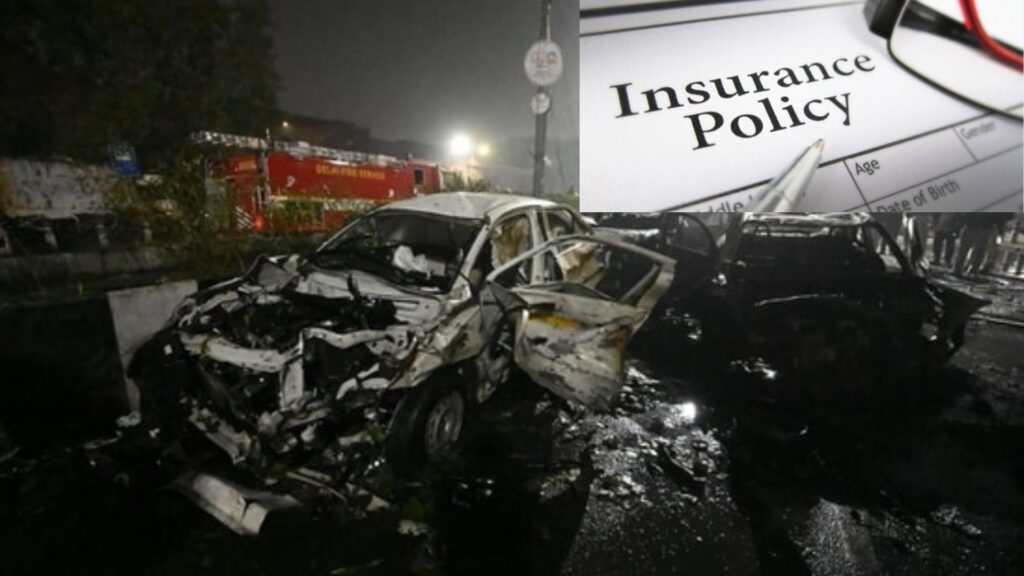
The car explosion near Delhi’s Red Fort metro station, which killed at least eight people and injured more than twenty, has once again brought a crucial issue to the forefront: are ordinary citizens adequately protected against the financial consequences of a terrorist attack?
While the human impact of such incidents is immeasurable, the financial damage can also be extensive — from destroyed vehicles and homes to long hospital stays and disrupted businesses. This incident has prompted many policyholders to re-examine what their insurance plans actually cover.
Contrary to common belief, not all insurance policies automatically protect against terror-related damage. In several cases, policyholders must opt for a terrorism damage cover, or purchase a stand-alone terrorism insurance policy.

A key pillar supporting terrorism insurance in India is the Indian Market Terrorism Risk Insurance Pool (IMTRIP), created in 2002 after global reinsurers stopped offering terrorism coverage post 9/11. Managed by GIC Re, the pool ensures reinsurance support for terrorism-related risks under property insurance. In 2023–24, it earned over ₹1,654 crore in premiums and settled claims of ₹3.12 crore.
However, the pool provides coverage only up to ₹2,000 crore per location. For higher-value assets, owners must purchase additional stand-alone terrorism coverage.
Here’s how different types of insurance respond to terror incidents:
Life Insurance
Most life insurance plans in India do cover death due to terrorist attacks, unless specifically excluded. The nominee receives the full death benefit. Exclusions may apply in war-like situations or if the policyholder was actively involved in riots or insurgency.
Personal Accident Policy
These plans offer compensation for death or disability due to accidents, including terror attacks. However, injuries caused by nuclear, biological, or chemical weapons may be excluded unless the policy clearly states otherwise.
Health Insurance
Hospitalization expenses for injuries sustained in a terror attack are generally covered. Many policies include pre- and post-hospitalization, ambulance charges, and in some cases, air evacuation services.
Travel Insurance
Travel plans may cover losses from terror-related disruptions, including medical costs or trip cancellations. Claims may be denied if one travels to areas already under active travel advisories.
Home Insurance
Comprehensive home policies with terrorism add-on covers provide financial protection against explosions, fire, or structural damage caused by terror incidents.
Motor Insurance
A comprehensive motor insurance policy can compensate for vehicle damage resulting from a terror attack.
Business Interruption Insurance
Businesses may claim compensation for loss of income if operations halt due to a terror incident, provided the policy includes this clause.
The Red Fort blast is a sobering reminder that terrorist incidents, though infrequent, can result in significant financial setbacks. Insurance cannot prevent such tragedies, but it can prevent families and businesses from facing severe financial distress in their aftermath.
In today’s climate of uncertainty, ensuring that your policy explicitly covers terrorism-related risks is a small but vital step in protecting your long-term financial stability.