State Approves 39 km Flyover from Bhairoba Nala to Yavat to Cut Congestion on Pune–Solapur Route

State Approves 39 km Flyover from Bhairoba Nala to Yavat to Cut Congestion on Pune–Solapur Route
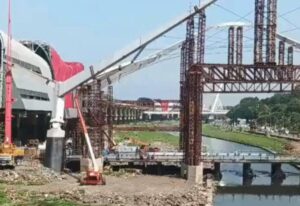
The state government has given the green light for a 39-kilometer six-lane flyover stretching from Bhairoba Nala to Yavat. This updated plan extends the earlier proposed route from Hadapsar to Yavat by 4.5 kilometers and is expected to significantly ease traffic congestion on the Pune–Solapur highway. With rapid urbanization along this corridor, commuters often face long delays, particularly during peak hours. The new flyover aims to improve traffic flow, reduce travel time, and enhance the efficiency of goods transportation.
The Pune–Solapur stretch of National Highway 65 has been a challenge for both residents and long-distance travelers. Urban development between Hadapsar and Yavat has led to heavy congestion, with Bhairoba Nala emerging as a critical bottleneck. Even after partial removal of the BRT lane, traffic continues to pile up in this area. To address this, the Infrastructure Committee, chaired by Chief Minister Devendra Fadnavis, recommended beginning the flyover at Bhairoba Nala instead of Hadapsar. This decision ensures a more comprehensive solution to traffic jams, covering major congestion points before vehicles enter the city.
Key Details of the Project

Flyover Length: ~39 km (previously 34.5 km).
Route: Bhairoba Nala → Hadapsar → Yavat.
Budget: ₹5,262 crore (likely to increase due to the extended route).
Implementing Agency: Maharashtra State Infrastructure Development Corporation (MSIDC).
Construction Model: Build–Operate–Transfer (BOT), with toll collection after completion.
Completion Timeline: Three years from the issuance of work order.
Land Acquisition: Responsibility of MSIDC.
Starting the flyover at Bhairoba Nala addresses one of the busiest traffic points on the highway. The extension ensures smoother commuting for residents and travelers heading toward Yavat, Uruli Kanchan, Patas, and Solapur, while also improving road safety. The project is designed to allow goods and passenger vehicles to move more efficiently, reducing delays and accident risks caused by congestion.
Expected Benefits
Significantly reduced travel time for commuters.
Eased traffic congestion along one of Pune’s busiest stretches.
Improved transport efficiency for goods vehicles.
Safer travel with fewer accident-prone areas.
Modern infrastructure to support Pune’s growing urban landscape.
Once completed, the six-lane flyover will not only provide relief to daily commuters but also strengthen the overall transport network in the region. While tolls will be charged under the BOT model, the long-term advantages of smoother traffic flow and reduced congestion are expected to outweigh the cost.